
Gut health often gets a lot of attention – and for good reason. The gut is home to billions of microorganisms and plays a role not only in digestion, but also in immune function, mood, and chronic disease risk.
Lifestyle habits, including your diet, can have a big impact on gut health. As a registered dietitian, I always pay attention to what gut experts recommend eating. That’s why I was interested when gastroenterologist Wendi LeBrett, MD, shared the 10 foods she eats each week to support her gut in a recent Instagram post. Here’s what’s on the list and why its choices may be so good for the gut.
OsakaWayne Studios / Getty Images
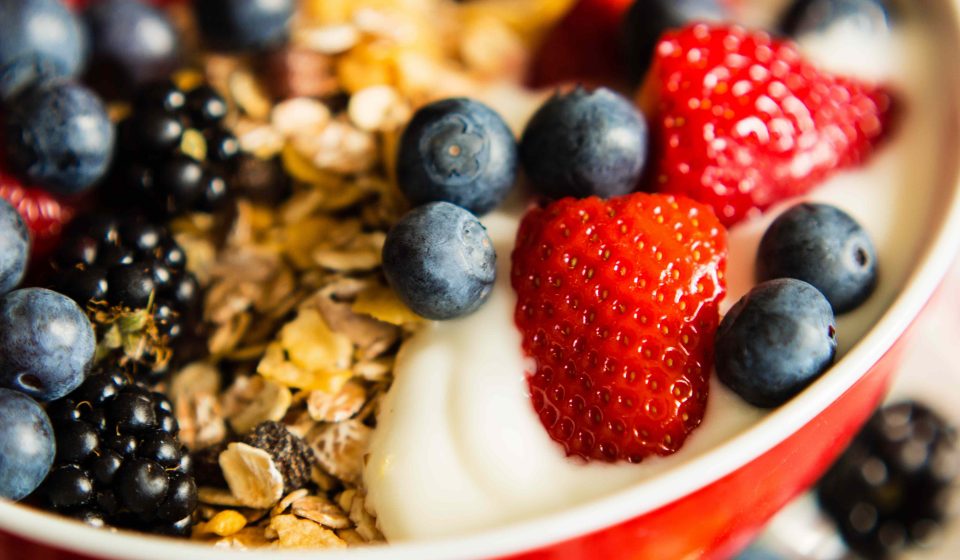
Berries are a staple for LeBrett, who said she eats them “on their own, with yogurt, with oatmeal almost every day.”
These little fruits are an easy way to add fiber to your diet. One cup of raspberries provides about 8 grams, almost a third of what many adults need daily. Berries also contain polyphenols, plant compounds that travel to the colon, where gut bacteria break them down. Early research suggests this process may help maintain a healthy balance of gut microbes.
Berries also provide vitamin C, while blueberries and blackberries are rich in anthocyanins, antioxidants that give them their deep color.
ArxOnt/Getty Images
Yogurt is a fermented food and many varieties contain live, active cultures, beneficial bacteria that can help aid digestion. These cultures also help break down lactose, so some people with lactose intolerance can eat yogurt more comfortably than milk.
Choose natural yogurt to limit added sugar and consider Greek yogurt for more protein. A single serving container offers approximately 15 to 20 grams.
OsakaWayne Studios / Getty Images
LeBrett is a big fan of this fuzzy fruit. “Kiwi, if you don’t know, is elite for constipation and bloating,” she said. Research supports its benefits. Studies have shown that eating two green kiwis a day can increase the frequency of bowel movements in people with constipation.
The benefits of kiwifruit likely come from its fiber, high water content, and an enzyme called actinidin.
Jordan Lye/Getty Images
Oats contain beta-glucan, a type of soluble fiber that forms a gel in the digestive tract. Gut bacteria can ferment beta-glucan, making it a prebiotic or food for these microbes.
Beta-glucan is also well-studied for its heart health benefits. Consuming about 3 grams per day as part of a balanced diet can help reduce LDL (“bad”) cholesterol.
Maryna Terletska/Getty Images
LeBrett keeps frozen peas in his freezer, and it’s a smart decision. Frozen peas are picked and frozen at peak ripeness, which helps them retain their nutrients.
One cup of cooked green peas contains about 8 to 9 grams of fiber and about 8 grams of plant-based protein, a combination that can help you feel full. Peas also provide vitamin K, vitamin C, folate and manganese.
Olga Yastrameska/Getty Images
Lentils are a source of fiber. One cup of cooked lentils provides about 15 grams. They also contain resistant starch and other fermentable carbohydrates that feed beneficial gut bacteria.
Beyond their gut health benefits, lentils are a good source of protein, folate, iron and potassium. If you’re new to this, start with small portions, drink plenty of water, and gradually increase your intake to limit gas and help your body adapt.
ALLEKO/Getty Images
“Peanut butter is my favorite,” LeBrett said, adding that she also enjoys blended nut butters. Two tablespoons of peanut butter provide about 2 grams of fiber and 7 grams of protein, as well as heart-healthy unsaturated fats. Some research suggests that eating nuts regularly may help increase certain beneficial gut bacteria, although more study is needed. Nut butters also provide vitamin E and magnesium.
Choose varieties made with just nuts and a little salt, if desired, and avoid those with added sugars or hydrogenated oils. Also keep portion sizes in mind, as nut butters are high in calories.
Katsumi Murouchi/Getty Images
Yes, chocolate was on the list. An ounce of dark chocolate containing 70 to 85 percent cocoa contains about 3 grams of fiber. In one small study, dark chocolate consumption was linked to more frequent bowel movements, greater stool production, and an increase in several beneficial gut bacteria compared to white chocolate consumption. This suggests that the cocoa compounds in dark chocolate may support digestion and the gut microbiome.
Dark chocolate still contains sugar and saturated fat, so enjoy a square or two as a treat rather than assuming it’s a health food.
Kech/Getty Images
An average avocado contains about 9 to 10 grams of fiber, which is a lot for one food. In a 12-week study, adults who ate an avocado daily had more gut bacteria that break down fiber. They also found a slight increase in microbial diversity compared to people who didn’t eat avocado. Avocados are also high in monounsaturated fats, potassium and folate.
Mash some on toast, slice it into salads, or make a bowl of guacamole, which LeBrett counts as one of his favorite foods.
HUIZENG HU/Getty Images
Potatoes sometimes get a bad reputation, but LeBrett doesn’t have that. “How can you live without eating potatoes? » she asks.
Potatoes contain resistant starch, a type of starch that escapes digestion and is fermented by intestinal bacteria in the colon. Cooking and then cooling potatoes, as you might do to make potato salad, increases their resistant starch content.
How you prepare the potatoes is also important. Baked, roasted, or boiled potatoes with the skin on will give you the most nutrients for the fewest extra calories.
Gn Health