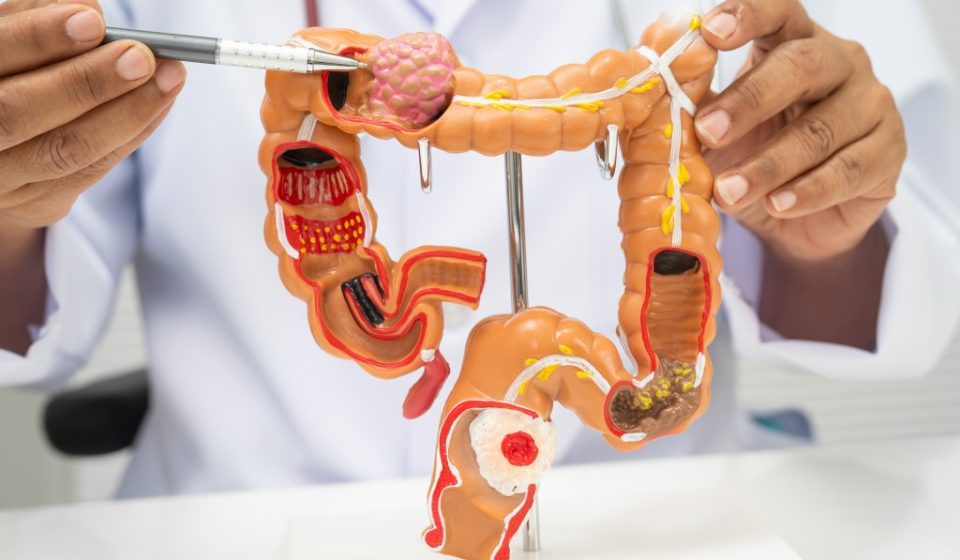

More and more children and adolescents are suffering from colorectal cancer. And when it strikes, researchers say the disease manifests itself differently than in adults.
Over the past two decades, colorectal cancers have increased fivefold among children ages 10 to 14, more than tripled among adolescents ages 15 to 19, and nearly doubled among young adults ages 20 to 24.
New data suggests that when people aged 21 and younger are diagnosed with colorectal cancer, it is more likely to be severe – stage 3 or 4.
According to researchers, this aggressive, advanced cancer often returns after treatment and can lead to death.

Researchers looked at 84 patients aged 21 or younger diagnosed with colorectal cancer. By the end of the study period, almost half had died from the disease.
The median age of the patients studied was only 16.5 years. A large majority of them (80%) had no family history of colorectal cancer.
By the time they were diagnosed, more than half had reached stage 3 – meaning the cancer had spread locally – and 29% had reached stage 4 – the cancer had spread to distant parts of the body.
Patients underwent a number of different treatments, including surgery, chemotherapy, radiotherapy and the creation of a stoma, an alternative opening for waste to exit the body.
However, the cancer returned in 36.9% of patients and almost all had reached an advanced stage. A total of 38 (45.2%) patients died from colorectal cancer.
Neglected symptoms, delayed diagnosis
Young people experience poor outcomes, partly because the cancer is aggressive, researchers say, but also because diagnoses are delayed.
Patients’ symptoms are often overlooked “due to the low rate of this type of cancer in young people.”
Many symptoms also overlap with less serious conditions like hemorrhoids or irritable bowel syndrome.

Here are the most common symptoms reported by study patients before getting a diagnosis:
- Back and abdominal pain: Abdominal pain may feel like cramping, incomplete emptying, gas, or back pain that will not go away with rest, stretching, or physical therapy.
- Changes in bowel habits: This includes diarrhea, constipation, or unusually narrow, ribbon-like stools.
- Unexplained weight loss: Cancer patients have difficulty maintaining their weight, even when eating properly, because cancer uses large amounts of energy.
- Rectal bleeding: This may look like bright red streaks mixed with the stool, dark red blood, or black, tarry stools.
The study authors urge medical providers to seriously treat symptoms in younger patients, especially unexplained weight loss and rectal bleeding.
After a physical exam and review of the patient’s medical history, doctors may order a stool and blood test for screening purposes. If warranted, the doctor will order imaging and a colonoscopy, where samples will be taken and analyzed to confirm a cancer diagnosis.
“As early-onset adult cancers are seen in younger and younger patients, logistical considerations of adult and pediatric care teams and carefully tailored treatment regimens are paramount,” they said.
Early detection is essential. When colorectal cancer is detected at stages 1 and 2, the five-year survival rate is approximately 90%.
Researchers are still trying to understand why so many young people are getting sick. They think it’s a combination of obesity, a Western diet (processed red meat and sugar), environmental exposures like microplastics, pesticides, antibiotics, and infections like E. coli.
Gn Health