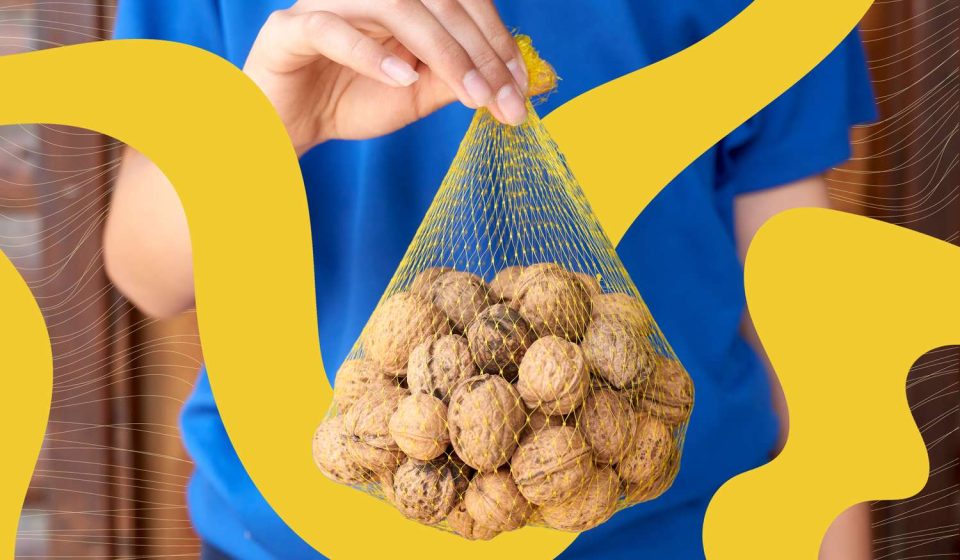

- Stock up on figs, pomegranates, pumpkin, spinach and walnuts.
- They are rich in antioxidant compounds, vitamins and minerals that support overall health.
- Exercise and an overall balanced diet are important for reducing chronic inflammation.
Many common conditions, such as heart disease, are caused by chronic inflammation, a persistent, low-grade form of inflammation that puts stress on the body. For better long-term health, reducing your risk of chronic inflammation is essential. Fortunately, eating anti-inflammatory foods can help reduce inflammation and the risk of disease.
As fall dawns, the door to new seasonal dishes opens with warming soups and roasted vegetables. These meals can be infused with anti-inflammatory foods that add powerful nutrients and tasty fall flavors. To help guide your October grocery shopping, we asked dietitians which anti-inflammatory foods to stock up on this month.
1. Figs
October is the ideal month to enjoy fresh figs before the end of the high season. “Fresh or dried, figs are packed with dietary fiber, calcium, and powerful flavonoid antioxidants like quercetin and luteolin,” says Merve Ciray, MS, RDN, CDN. This combination of nutrients makes figs a fantastic fall fruit for fighting inflammation.
“In Mediterranean dietary traditions, figs are a staple for intestinal well-being; their prebiotic fiber nourishes beneficial gut microbes, producing short-chain fatty acids (SCFAs) like butyrate that suppress chronic gut-based inflammation,” says Ciray. Growing research suggests that gut health influences many other aspects of health and systemic inflammation. These intestinal benefits should therefore not be underestimated.
Figs make a great snack on their own, but they also pair well in yogurt bowls, jams, or even fall salads like an apple, fig, and Brussels sprout salad.
2. Pomegranate
The bright red color of pomegranates comes from their powerful antioxidant compounds. “Pomegranates are an excellent source of polyphenols (plant compounds that act as antioxidants), which your gut bacteria break down into smaller molecules called urolithins that travel through the bloodstream to reduce inflammatory markers,” says Annie Lu, RD. “These polyphenols help modulate inflammatory cascades, preserve blood vessel endothelium, and support cellular health,” adds Ciray. Studies show that consuming pomegranates can help reduce inflammation and blood pressure.
October is prime time for pomegranates, so add this fall fruit to your grocery cart to give your meals and snacks extra anti-inflammatory benefits. Need a simple idea? Spice up simple peanut butter toast with pomegranate arils, or even add pomegranate to savory sides like a chickpea, broccoli, and pomegranate salad.
3. Pumpkin
If you’re a pumpkin lover, you’ll be happy to know that it’s one of dietitians’ favorites for fighting inflammation. “Pumpkin provides a high dose of beta-carotene and vitamin C, which may help reduce inflammation,” says Lisa Andrews, M.Ed., RD, LD. “Our body converts beta-carotene into vitamin A, which supports our immune system and stops the release of proteins that cause swelling and tissue damage,” says Lu.
You don’t need to cut up a fresh pumpkin to enjoy these benefits. Dietitians love canned pumpkin for its convenience and nutritional value. For example, Andrews is a big fan of using pumpkin puree to make soups, especially when they contain other anti-inflammatory ingredients like ginger and turmeric. Pumpkin Curry and Tamarind Onion Soup is a great example of how to combine these ingredients into a comforting fall dish.
4. Spinach
Although you can find spinach year-round, it’s technically in season in the fall. That said, Andrews is a big fan of frozen spinach this time of year. “Frozen chopped spinach is my favorite for cool-weather soups. Like pumpkin, it’s a source of beta-carotene and vitamin C, in addition to potassium,” she says. The array of plant compounds, vitamins, and antioxidants in spinach work together to help reduce inflammation.
Comforting stews like a hearty chickpea and spinach stew can be made with frozen spinach. But if you want to use up that bag of fresh spinach in your fridge, use it as the base for a fall salad that includes other fall ingredients like butternut squash, apples, and cheddar.
5. Nuts
Nuts pair well with many cool-weather dishes: think warm oatmeal, pumpkin bread, or a hearty salad. Plus, they’re one of Ciray’s favorite fall foods to protect against inflammation. “A staple of the Mediterranean diet, nuts are one of the richest plant sources of alpha-linolenic acid (ALA), an essential omega-3 fatty acid,” she says. This fatty acid helps change pathways in your body that control inflammation, thereby reducing systemic inflammation and cellular damage.
Mix spinach and walnuts for a spinach-walnut pesto, or add nuts to your dinner by making an arugula salad topped with toasted walnuts.
Other Tips for Reducing Inflammation
- Eat lots of fruits and vegetables. Fruits and vegetables are full of antioxidants and plant compounds that help fight inflammation. Yet most Americans don’t eat enough of it. So try to eat about two servings of fruit (about 2 cups of fresh fruit) and two to three servings of vegetables each day (about 3 cups, cooked or raw).
- Reduce your intake of saturated fats. Eating too much saturated fat, found in foods like steak, butter, bacon and baked goods, is associated with increased inflammation and poorer heart health. So instead of relying on this type of fat, prioritize heart-healthy fats from nuts, seeds, oily fish, and liquid cooking oils.
- Build a Sustainable Workout Routine. Physical activity is proven to reduce the levels of inflammatory molecules in the body. Whether you enjoy running, jumping rope, lifting weights, or dancing, incorporating physical activity into your routine is a powerful way to reduce inflammation over time.
Our expert opinion
In October, dietitians recommend stocking up on figs, pomegranates, pumpkin, spinach and walnuts if you want to keep inflammation in check. These fall foods contain a range of anti-inflammatory nutrients like beta-carotene, polyphenols and omega-3s that are important for overall health. Spinach and pumpkin pair well in cozy soups, while figs, pomegranates and walnuts pair well in hearty salads or grain bowls. Incorporating them into your meals is an easy way to embrace the flavors of fall while adding anti-inflammatory nutrients to your diet.
Gn Health