
Whether you’re married to your morning matcha or think it tastes like weed in a cup, there’s no doubt that green tea often comes top in conversations around healthy drinks. But what exactly does this mean? Why should we care? And is choosing green tea really that different from coffee, juice or even… cocoa? Green tea is known to provide beneficial plant compounds, but it’s not the only beverage to do so. We asked nutrition experts to explain the concept of antioxidants, offer some alternatives, and tell us which drinks are worth drinking. Read on for the full scoop – er, sip.
Antioxidant activity: myth or merit?
“This is actually a fancy scientific way of saying that certain drinks can give you more nutrients for your sip,” says Elizabeth Shaw, MS, RDN, CPT. She explains that plant-based (especially fruit) drinks often contain antioxidants and other beneficial compounds that help the body manage oxidative stress. Over time, these compounds can help counteract some of the cellular wear and tear associated with free radicals. Translation: better skin, more energy and a lower risk of disease.
Some drinks contain polyphenols, which are natural plant compounds found in tea, coffee, cocoa, and fruit juices, adds Sylvia Klinger, DBA, MS, RD. These can reduce overall inflammation, although their antioxidant content and body impact can be influenced by factors such as brewing time, water temperature, processing, storage and portion size. “A drink with high antioxidant activity in a test tube is not necessarily the most beneficial drink for your health,” says Klinger. “Digestion, absorption, metabolism and overall diet all influence what happens in the body.”
The 5 drinks richest in antioxidants
Here’s the tea (or not!). These are the healthy drinks our experts recommend beyond green tea.
Coffee
Yes, you can still get health benefits from drinking Joe. “Coffee is rich in phenolic compounds, including caffeic acid,” says Klinger, who notes that a laboratory study found antioxidant activity in brewed and instant coffee comparable to or greater than that in green tea. Preparation is important: bean variety, roast, grind size, brewing method, and coffee-to-water ratio can all affect the final composition.
Shaw adds that lighter roasts generally retain more chlorogenic acids than darker roasts, although roasting and brewing can influence the overall polyphenol profile. Factor in coffee’s stimulating effect and its contribution to total daily hydration (yes, that counts), and this cup of tea works pretty hard for your body as a whole.
Unsweetened Cocoa
Shaw calls unsweetened cocoa powder her “secret weapon” since becoming a mom and discovering that her kids want anything chocolate-tinged. “Cocoa is rich in polyphenols, including flavonoids, which have been studied for their potential role in supporting cardiometabolic health, including heart health and healthy blood sugar regulation, as well as cognitive and mental well-being,” she says. She prefers to mix it in a smoothie with naturally sweet foods like fruit to manage the bitterness. Klinger notes that cocoa contains flavanols, including epicatechin and catechin, which are associated with improved vascular function and other potential health benefits. She cautions that a homemade cocoa drink made with unsweetened cocoa powder is different from a sugar-laden packaged hot chocolate mix, and that milk can also change the nutritional profile, even if it doesn’t interfere with antioxidant activity.
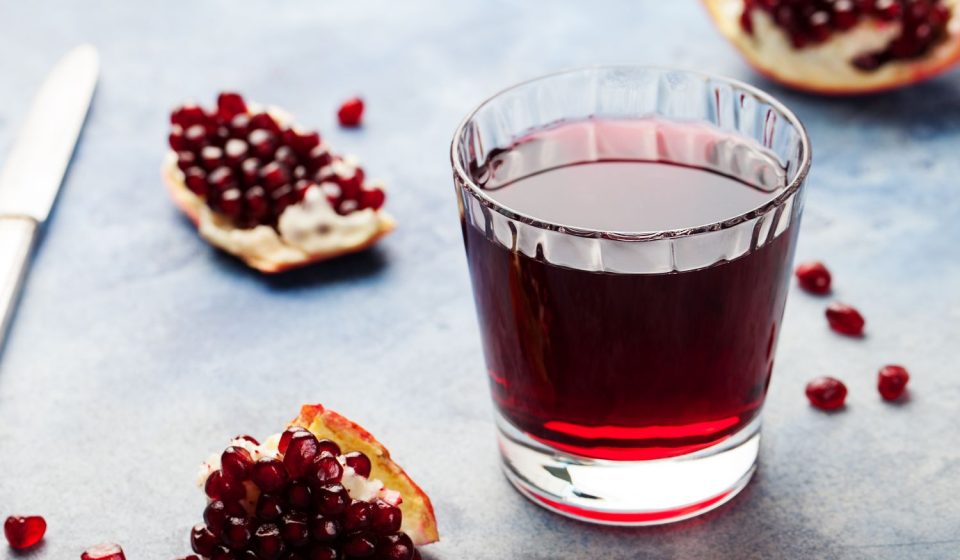
Pomegranate Juice
Getty / Anna Poustynnikova
Since pomegranate juice (or any 100% fruit juice) is considerably more sugar and calorie dense than green tea, Shaw recommends limiting it and other juices to a 4-ounce serving and washing it down with plain or sparkling water. Polyphenols in pomegranate juice may contribute to cognitive health and exercise, and some studies suggest they may support aspects of memory and cognition, as well as performance and recovery. Klinger notes that the processing that produces pomegranate juice extracts tannins from the fruit’s rind, making the juice much richer in antioxidant activity than green tea, even in half a cup.
Prune Juice
We all know that prune juice can support gut health, which in turn supports bone and heart health, as well as healthy aging, says Shaw. She likes to mix prune juice into a smoothie that contains protein, healthy fats, and high-fiber ingredients. “This combination can help slow digestion and moderate the blood sugar response while still providing the natural compounds found in prunes,” she says, as well as shake things up in other areas. Klinger adds that prune juice contains phenolic compounds, including hydroxycinnamic acids and other polyphenols, as well as sorbitol, a natural sugar alcohol that may help support bowel regularity.
Concord grape juice
Getty / Irina Vodneva
“A childhood favorite, grape juice is a staple that I think every millennial can relate to! » said Shaw. “While these jelly jars may bring back some nostalgia, Concord grapes also contain tiny but powerful polyphenols that continue to be studied for their potential health benefits, particularly for heart health.” Again, watch the serving size: Shaw recommends a modest 4- to 8-ounce serving cut with water. Klinger notes that grape juice contains anthocyanins, which give Concord grapes their deep purple color, as well as flavonols and proanthocyanidins.
What to look for when choosing a drink
For daily consumption, Shaw recommends sticking to low- or no-calorie drinks that promote hydration while minimizing extra and empty calories. She notes that caffeine may also have benefits, particularly for physical performance and morning alertness, but that consuming it too late in the day can interfere with sleep.
Klinger agrees that the drink with the highest antioxidant score isn’t necessarily the healthiest choice overall, urging readers to consider portion sizes, added sugar, caffeine, and nutrients alongside antioxidants. “Unsweetened coffee, tea, and cocoa are good options for enjoying polyphenols without added sugar, while a small 4-ounce serving of 100 percent pomegranate juice or Concord grape juice can provide plant compounds and vitamins,” says Klinger.
Variety is key
As usual, variety is the spice of life: Green tea contains catechins, coffee provides chlorogenic acids, cocoa provides flavanols, and deeply colored fruit juices contain compounds such as anthocyanins and ellagitannins, says Klinger. She notes that enjoying a variety of beverages can make healthy habits more enjoyable, whether you prefer tea in the morning, unsweetened cocoa in the afternoon, or a small glass of 100% fruit juice with a meal.
Beyond drinks, Shaw emphasizes that your overall diet isn’t defined by a single meal or drink, but by the variety of nutrients and plant compounds you enjoy regularly over time. “Feed your body a diverse mix of foods and drinks, especially those rich in plant compounds, to support whole-body wellness. Think of it like building your nutritional portfolio: the more variety you bring to the table, the more opportunities you give your body to benefit,” she says.
Gn Health