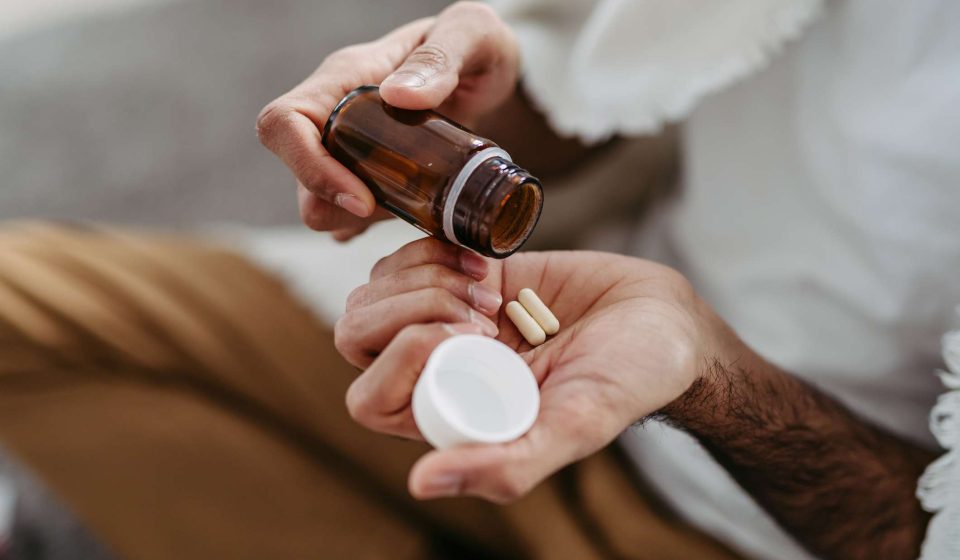
If you have high blood pressure, the supplements you’re taking are worth a closer look. Some can raise your blood pressure or make your medications less effective, making it harder to protect your heart.
There are five supplements to watch out for and what to know before taking them.
Vitamin D is a vitamin naturally present in certain foods and available as a supplement. Your body also produces vitamin D when your skin is exposed to ultraviolet (UV) rays from the sun. Vitamin D is necessary for many bodily functions, such as bone health and inflammation.
Some researchers have found that vitamin D can help treat high blood pressure, especially in doses of 200 to 8,000 international units (IU) per day. Vitamin D doses greater than 10,000 IU per day can cause dangerous side effects, such as high calcium levels (hypercalcemia). Hypercalcemia can cause many problems over time, including high blood pressure.
High doses of vitamin D may also interact with some diuretics (water pills) used to treat high blood pressure. This interaction can prevent your body from eliminating enough calcium, which increases your calcium levels and possibly your blood pressure.
Talk to your primary care provider about your vitamin D levels. They can test your levels to determine if vitamin D supplementation would be helpful for you and your blood pressure.
Licorice root (Glycyrrhiza glabra) is an herb used as a flavoring in foods, candies, and tobacco products. In traditional medicine, the root is used to treat lung diseases, liver diseases and wounds.
Licorice contains glycyrrhizic acid (GA), an ingredient that can increase blood pressure and cause serious side effects if you have high blood pressure. Doses of AG as low as 100 milligrams per day have been shown to increase blood pressure.
Supplements containing AG may also interact with diuretics and blood pressure medications. The supplement may affect the effectiveness of blood pressure medications and increase the risk of side effects. Specifically, licorice root can increase sodium levels and reduce potassium levels in your body. This effect, combined with a diuretic, can lead to dangerously low potassium levels.
If you suffer from high blood pressure, it is best to avoid using products containing licorice root.
St. John’s wort (Hypericum perforatum) is an herb used to treat symptoms of depression and menopause. Despite its historical use in traditional medicine, the plant can interact dangerously with various medications. St. John’s Wort weakens the effects of many medications, especially those used to treat high blood pressure.
Examples of high blood pressure medications that interact with St. John’s Wort include:
- Procardia (nifedipine)
- Talinolol
- Verelan (verapamil)
These interactions likely occur because St. John’s Wort prevents the medication from being absorbed into the body as it normally would.
Talk to your healthcare professional before taking St. John’s Wort. They can tell you if the supplement may interact with other medications or supplements you are taking.
Arnica is a flower from the sunflower family. The flower has been used to relieve bruising, inflammation and swelling when applied directly to the skin.
Experts advise against taking arnica orally due to the risk of significant side effects. These side effects may include high blood pressure, increased bleeding, vomiting, diarrhea, and damage to the heart or other organs.
Bitter orange (Citrus aurantium) is extracted from the fruit or peel of a bitter orange. The fruit and its skin can be used to add flavor to drinks or aromas to perfumes. Bitter orange supplement is often used to help lose weight and improve athletic performance.
Bitter orange contains p-synephrine, a type of stimulant similar to ephedrine. The U.S. Food and Drug Administration (FDA) has banned ephedrine stimulants because they can cause health problems like strokes and heart attacks. Although bitter orange is not prohibited, it should be used with extreme caution.
Studies have shown that bitter orange supplements can increase blood pressure and heart rate. The supplement may also increase the risk of other serious side effects like stroke and heart attack. However, bitter orange found in foods and drinks is not likely to affect your blood pressure or cause these side effects.
Talk to your healthcare professional before taking bitter orange.
People may react differently to certain supplements. Factors that can affect how you respond to a supplement include genetics, diet and nutrition, age, gut health, and overall health. Take note of any side effects or symptoms you experience when you start a new supplement or vitamin.
Before you start taking any new vitamins or supplements, talk to your doctor. They can help you decide if the vitamin or supplement would be helpful and safe for you. Your doctor may also compare the new supplement to any medications, vitamins, and other supplements you already take to identify potential interactions.
Gn Health