
Key takeaways
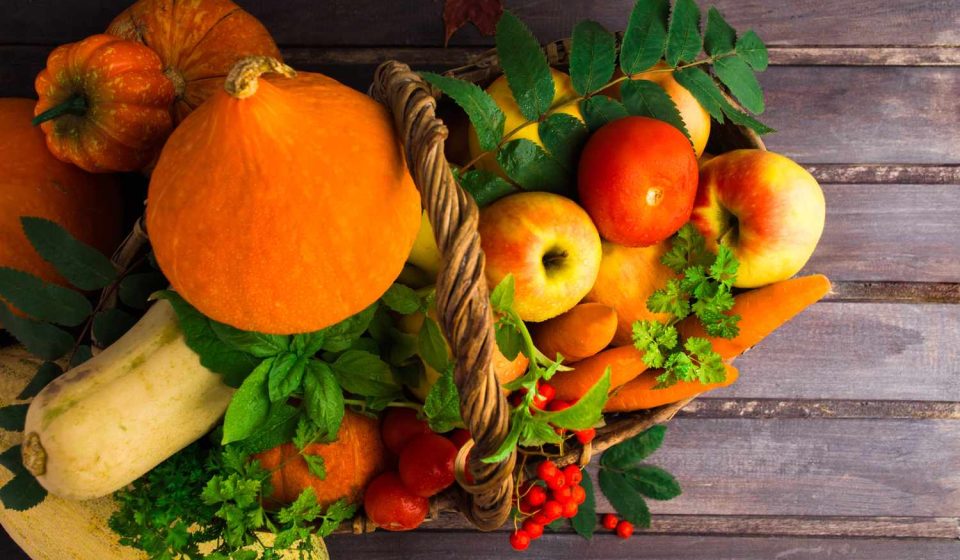
- Apples contain polyphenols, including quercetin, which may help reduce inflammation and support immune health.
- Pumpkin is rich in beta-carotene, which the body converts into vitamin A, and also provides antioxidants like vitamins C and E.
- Walnuts are a source of omega-3s, polyphenols, and plant-based fiber, which may help reduce oxidative stress and inflammation.
If you want to add fall-inspired ingredients to your favorite dishes, there are plenty of anti-inflammatory options to choose from. Foods like pumpkin, nuts and apples can help reduce inflammation. They may also provide other benefits to your gut and immune health.
1. Apples
Elizabeth Fernández/Getty Images
Few foods are more connected to fall than a freshly picked apple. And beyond their crunch and sweetness, they contain a range of plant compounds that scientists have studied for their potential to help the body manage inflammation.
“Apples owe much of their anti-inflammatory potential to polyphenols, (which are) plant-based compounds concentrated largely in the skin,” Lauren Manaker, MS, RDN, LD, a registered dietitian based in South Carolina, told Verywell.
Most notable is quercetin, a flavonoid that influences inflammatory signaling pathways, Manaker said. “Apples also contain catechins, chlorogenic acid and anthocyanins, all of which have shown antioxidant activity in research,” she added.
2. Brussels sprouts
Feifei Cui-Paoluzzo/Getty Images
Brussels sprouts, another fall favorite, can also help reduce inflammation. “An anti-inflammatory diet can help reduce systemic inflammation by reducing oxidative stress and modulating the body’s production of inflammatory compounds,” Keri Gans, MS, RDN, CDN, a registered dietitian based in New York City, tells Verywell.
“Brussels sprouts contain glucosinolates, compounds found in cruciferous vegetables that may support antioxidant defenses,” Gans said. They can also help regulate inflammatory pathways, she explained.
3. Nuts
Simple Images / Getty Images
Nuts are available year-round, but they pair especially well with other fall foods.
“Walnuts provide alpha-linolenic acid (ALA), a plant-based omega-3 fatty acid, as well as polyphenols and fiber,” Gans said. “These nutrients can help reduce oxidative stress and promote a healthy inflammatory response.»
4. Pumpkin
Evgenia Rusinova/Getty Images
There’s nothing more coded for fall than a pumpkin, and the compounds that give pumpkins their festive color may have real health implications.
“Pumpkin’s anti-inflammatory potential comes primarily from its high concentration of beta-carotene, a carotenoid that gives the flesh its deep orange color,” Manaker said.
“The body converts beta-carotene into vitamin A, and carotenoids act more broadly as antioxidants. Pumpkin also provides vitamin C, another antioxidant, as well as vitamin E and the mineral zinc, both of which play supportive roles in immune and inflammatory regulation,” she said.
5. Pomegranate
Tuncmémo / 500px
There is no shortage of pomegranate recipes around Thanksgiving, and for good reason.
“Pomegranate is rich in polyphenols, including anthocyanins and punicalagins,” Gans said. “These compounds have antioxidant properties and can help reduce inflammatory signals in the body.»
6. Cinnamon
Norman Posselt/Getty Images
Cinnamon is a classic fall flavor, and adding it to your favorite recipes could also help reduce inflammation.
Cinnamon contains cinnamaldehyde and polyphenols, Gans said. “(These two are) compounds that have been studied for their antioxidant and anti-inflammatory properties,” she explained.
How much should you eat?
“There is no established ‘anti-inflammatory dose’ for any of these foods,” Gans said. “Try to regularly include a variety as part of your overall diet rather than focusing on a specific amount of a single food.”
If the above doesn’t interest you, there are many other foods that contain anti-inflammatory properties. “Foods like vegetables, fruits, legumes, whole grains, nuts, seeds, olive oil and fatty fish provide antioxidants, fiber, vitamins, minerals and healthy fats that help protect cells from oxidative stress and support normal immune function,” Manaker said.
The effects are considerable. “Together, these foods help create an internal environment that promotes stable blood sugar levels, healthy cellular function, and a more regulated immune response, which can lead to decreased systemic inflammation over time,” Manaker said.
Gn Health