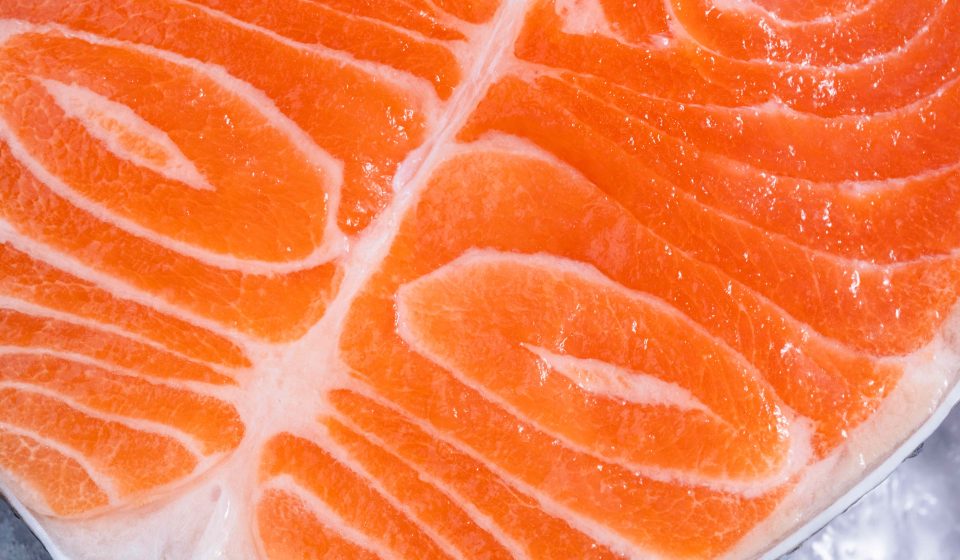
You probably know that protein is essential for building muscle, but certain protein-rich foods, like beans, soy, nuts, and salmon, also provide certain nutrients that can help maintain healthier cholesterol levels.
HUIZENG HU/Getty Images
- Protein: 10 grams
- Serving size: 100 grams of firm tofu
Soy foods like tofu, tempeh, edamame, and soy milk can help lower “bad” low-density lipoprotein (LDL) cholesterol.
A review of 41 studies found that consuming about 25 grams of soy protein daily reduced LDL cholesterol by 3 to 4 percent over about six weeks. Although it may seem modest, even small reductions in LDL cholesterol can support long-term heart health.
Many soy foods also contain heart-healthy unsaturated fats. Research suggests that you may be able to reduce your risk of heart disease by replacing foods high in saturated fat, such as processed or red meats, with alternatives made from soy or other foods high in unsaturated fat.
bumbumbo / Getty Images
- Protein: 15.2 grams
- Serving size: 1 cup (172 grams) cooked black beans
Black beans are rich in protein and plant fiber, especially soluble fiber. This specific type of fiber interferes with your body’s ability to absorb cholesterol, which can help lower LDL cholesterol over time.
In one study, adults with mildly elevated cholesterol levels were asked to eat either white rice or three-quarters of a cup of mixed beans (including black beans) most of the time. Those who ate these beans saw significantly lower LDL cholesterol levels.
Black beans are also naturally low in saturated fat, making them a heart-healthy alternative to animal proteins that are higher in saturated fat.
Roxiller/Getty Images
- Protein: 18.8 grams
- Serving size: 3 ounces (85 grams) cooked Atlantic salmon
Besides protein, salmon is also an excellent source of omega-3 fatty acids, particularly two types called eicosapentaenoic acid (EPA) and docosahexaenoic acid (DHA). These omega-3s support heart health by helping regulate blood fats and inflammation.
This means that, unlike beans or soy, salmon is generally not associated with lowering LDL cholesterol levels on its own. On the contrary, salmon may help improve your overall lipid (fat) profile: it may reduce triglycerides, another type of fat in the blood, and may slightly increase “good” high-density lipoprotein (HDL) cholesterol in people with lower levels.
Whether you prefer salmon, trout, mackerel, or other omega-3-rich fish, they can provide a heart-healthy alternative to animal protein sources higher in saturated fat.
yalcinsonat1 / Getty Images
- Protein: 16.1 grams
- Serving size: One container (156 grams) of plain fat-free Greek yogurt
Greek yogurt is an excellent source of protein, calcium and other essential nutrients. Some varieties also contain probiotics, which are beneficial live microorganisms.
Probiotics are probably best known for supporting gut health, but research suggests they may also help improve cholesterol levels. Some strains of probiotics can break down bile acids in the digestive tract, which indirectly helps the body eliminate more cholesterol through the stool.
In a 2023 study, adults with high cholesterol took supplements containing three strains of Plantar lactobacillusa certain type of probiotic bacteria. These participants experienced a 3.2% reduction in their LDL cholesterol levels after 12 weeks. While this research is promising, the study looked at probiotic supplements rather than yogurt, and not all yogurts contain these exact strains of probiotics. So, for now, more research is needed.
For the best heart health benefits, be sure to choose low-fat plain Greek yogurt rather than full-fat yogurt to limit your saturated fat intake.
Imagesbybarbara/Getty Images
- Protein: 7 grams
- Serving size: 2 tablespoons (32 grams) creamy peanut butter
Peanut butter is a convenient source of plant-based protein, and it also contains fiber and heart-healthy unsaturated fats, both of which can help maintain healthier cholesterol levels.
Research also suggests that regular consumption of peanuts may help improve the levels of triglycerides, or fats, in your blood. In a 2022 analysis, researchers found that peanuts and peanut butter were associated with lower triglyceride levels. However, results have been mixed, so more research is needed to better understand how peanut butter consumption affects triglyceride and cholesterol levels.
If you’re adding peanut butter to your diet, be sure to choose varieties that are peanut-based and have little or no added salt, sugar, or saturated fat.
Javier Zayas Photography / Getty Images
- Protein: 8.6 grams
- Serving size: 2 ounces (57 grams) English walnuts
In addition to protein, nuts provide a number of nutrients associated with better heart health and cholesterol levels, including fiber and heart-healthy unsaturated fats, especially omega-3 alpha-linolenic acid (ALA).
In a study of 34 adults at risk for heart disease, those who ate about 57 to 99 grams of nuts per day for six weeks reduced their LDL cholesterol levels. Another 2021 study found similar results: Older adults (especially men) who ate 30 to 60 grams of nuts per day for two years had significantly lower LDL cholesterol levels.
A larger study also found that regular consumption of nuts, including walnuts, almonds, and pistachios, helped lower levels of LDL cholesterol, total cholesterol, and triglycerides.
Adding cholesterol-friendly protein to your diet is a great place to start if you want to protect your heart health while building muscle.
However, your overall eating habits matter more than any food you add to your diet. To maintain healthy cholesterol levels, make sure to:
- Favor soluble fiber: Choose oats, fruit, beans or psyllium.
- Replace saturated fats with unsaturated fats: Eat olive oil, nuts or avocado instead of butter or fatty meats.
- Stay active: Combine aerobic exercise and strength training to achieve the greatest heart health benefits.
These lifestyle changes can promote healthier cholesterol levels, but some people may need medications or other interventions to protect their heart health. Talk to your doctor about what is right for you.
Gn Health