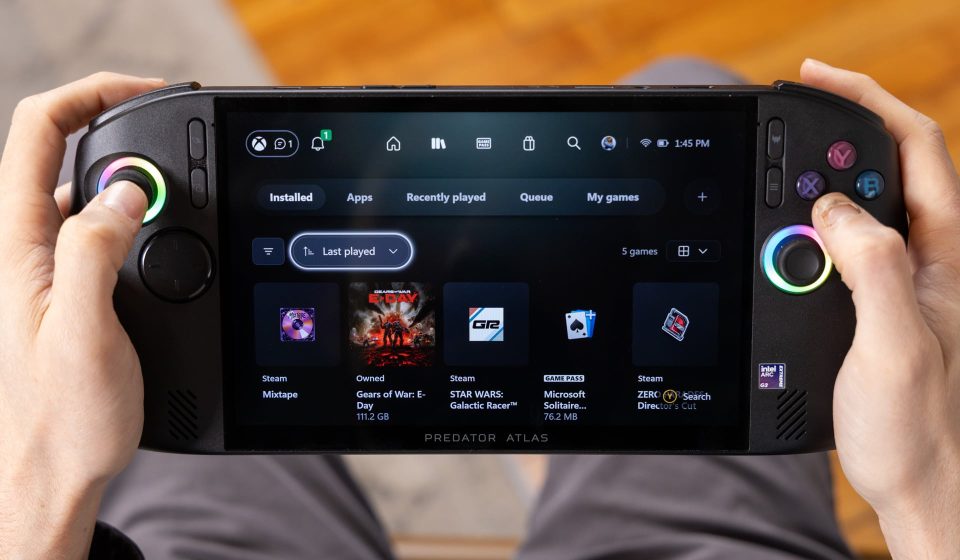
Like most people during their quarter-life crisis, Xbox is on a nostalgia trip for its 25th anniversary. The Xbox brand can’t spend a second resting on its laurels, especially since it hasn’t had much to celebrate lately. Now, thanks to an Xbox Digital Magazine released on Sunday, we have the best idea of what to expect from the company’s next-generation console, dubbed Project Helix.
There is a long way to go. The company cites Jason Ronald, head of next-gen Xbox, for most of the juicy information. While it doesn’t give us any details on what kind of performance we can expect or anything about what the next console might look like, several elements of Project Helix become clear once you read between the lines.
1. Project Helix is going to rely on scaling more than any other Xbox
Xbox is all about scaling, and the next-gen console is going even harder in that direction. Here’s Ronald: “This is one of the main reasons why we’re really focusing on advancements like neural rendering, because it’s a completely new way to generate an image without requiring more computing power, additional memory, etc. This “neural rendering” talk is tech talk for the family of advanced AI technologies like frame interpolation and AI upscaling. Perhaps this can even go further with future frame prediction technologies,
2. It’s not an 8K/240Hz gaming machine
If you’re a console gamer, you’ve become accustomed to games hitting max resolutions of 4K and refresh rates of 120Hz. That may not change with Project Helix. Ronald says it’s “gameplay innovation” that will define the next generation of consoles rather than achieving a vague metric of console sales.
3. Project Helix plays PC games, its own way
Ronald was adamant that Project Helix is a console-first experience, with no need to individually update drivers or configure graphics settings. Yet it is “also capable of playing games from your PC”. However, “If you are a hardcore gamer or power user who wants a deeper level of customization in terms of settings and performance, you absolutely can.”
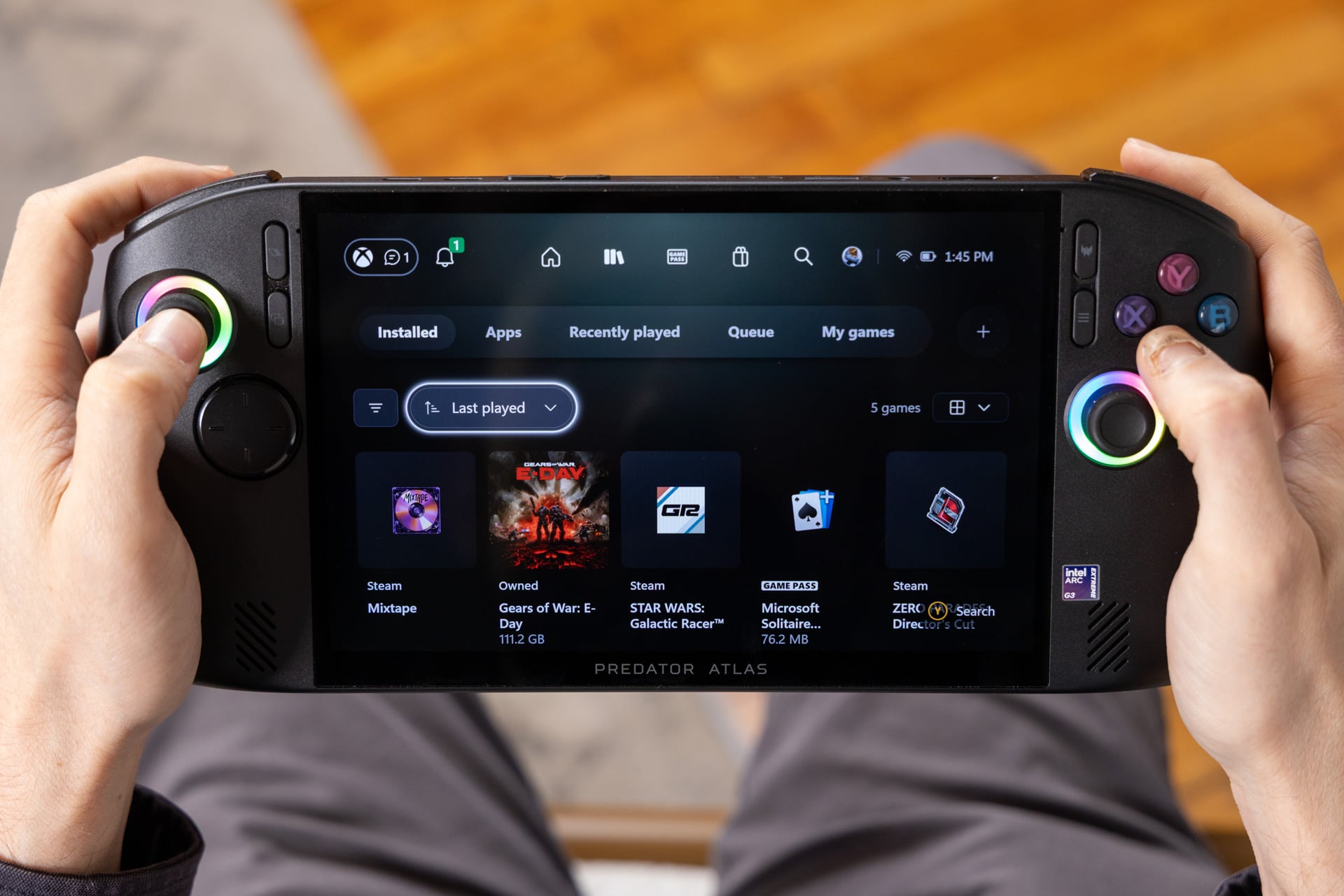
4. Leans more on the “Xbox Anywhere” concept
Xbox Anywhere is the company’s shared library that allows players to own the same game on console and PC. This shared library is taken even further with the Helix project. This extends to the user interface, with a similar look and feel to the recently tweaked Xbox app on PC.
5. It has its own UX distinct from Xbox Ally handhelds
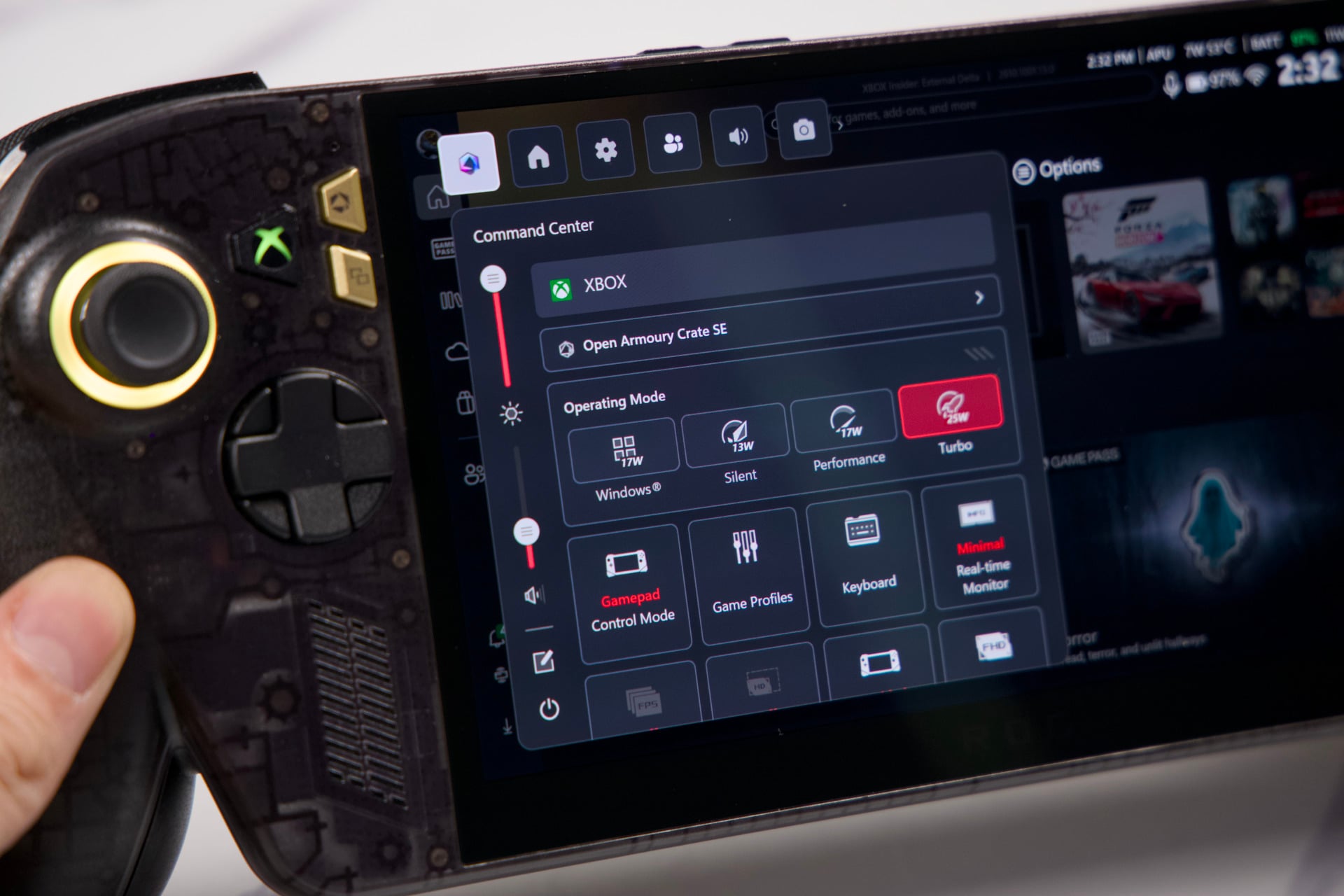
The Asus ROG Xbox Ally X and Xbox Ally X20 are built on Windows 11 and rely on Windows apps for everything. The Helix Project takes a different approach. Ronald called the Xbox Ally experience a “precursor” for what’s to come. This may mean moving away from Windows altogether, as was suggested in a recent Fortune expose that detailed how Xbox plans to move away from a Windows-based experience.
6. Expect huge performance improvements from past and current generation games
Ronald hopes that gamers will “bring four generations of my Xbox library with them” to Project Helix, hence the new OG series of Xbox games coming to current-gen consoles. Last week, Xbox released its first batch of 25 Xbox games now available on the Xbox Series S and X consoles. The upcoming console could also attempt to promote Xbox 360 games as well as Xbox One titles.
7. It’s always about cost
Xbox has presented the problem to gamers: RAMageddon makes developing a new console an expensive proposition. And the company knows that few people will pay $1,000 or more for a new box of games. No, Xbox didn’t give us a price estimate, but instead mentioned that the component pricing crisis was a driver of “innovation.” Whether or not Xbox sticks with its current ultra-high-end next-gen processor, at the very least, Xbox is very considerate of gamers’ wallets.
But unfortunately, Xbox still doesn’t give us a price estimate or release date. We may not see the console until 2028, and 2027 could bring us a new Xbox handheld. We have several other big questions about what happens next.
1. “Removing Constraints” Probably Means Prioritizing Game Development PC
The article mentions how the Xbox team attempted to remove constraints from development. Based on the company’s recent Developer Direct and discussions at GDC, this likely means Xbox will help game developers create games simultaneously for PC and Xbox, with both sharing a similar architecture.
2. How will the software actually work?
While Ronald and the Xbox team can talk about what they’ve learned from Xbox Ally handhelds, they haven’t confirmed whether the new UI will be Windows-based or whether it will have to use a variety of compatibility or emulation layers, which will help non-Xbox PC titles run in a software environment that recreates the necessary parts of Microsoft’s desktop operating system for the pleasure of running games.
3. Xbox obviously wants to integrate AI, but how?
Ronald mentioned how gamer creativity is huge among the younger generations of gamers, but Xbox seems to imply that it will go beyond game mods or even a Roblox kind of game with even more “agency”. Last week, Xbox CEO Asha Sharma wrote: “A single person will soon be able to wield capabilities that once required entire nations. A small team will be able to build worlds that today require hundreds of developers and hundreds of millions of dollars.” This certainly sounds like AI without ever using the words “artificial intelligence.” Xbox has also been pretty positive about using AI to create new code experiences on the console, so we’ll have to see how open Xbox really is to buyers having fun with their games or hardware.
Gn tech