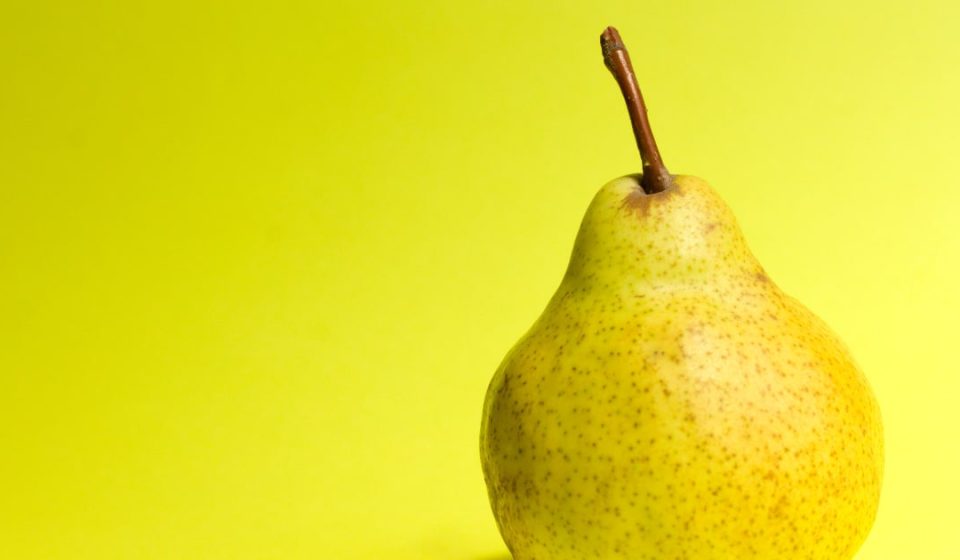

Fruits are friends of the heart because they improve its health by reducing some of the main risk factors for cardiovascular disease.
Eating lots of fruit may play a “major role” in preventing clogged arteries, which can lead to a heart attack, studies show.
Soluble fiber in fruit can improve cholesterol levels, for example, says Dr. Annapoorna Kini, a cardiologist at Mount Sinai Fuster Heart Hospital in New York.
“The American diet is very low in fiber. The usual fiber recommendation is 20+ grams, 25 to 30 is ideal, but no one can get that,” Kini told TODAY.com.
Soluble fiber dissolves in water and forms a gel-like substance in the intestine, which traps cholesterol and its precursors. It is then excreted in the stool, naturally reducing cholesterol levels in the body.
Eating plenty of whole fruits may also reduce the risk of developing high blood pressure, researchers reported in the journal Hypertension. Fruits contain potassium, which can help relieve tension on blood vessel walls and reduce the effects of too much sodium, notes the American Heart Association.
Then there’s fruit’s power to reduce inflammation — thanks to its vitamins and antioxidants — which may reduce the risk of cardiovascular disease, according to the National Heart, Lung and Blood Institute.
It’s best to eat a variety of whole fruits to get lots of different nutrients, and to consume fresh fruit, rather than cooking or baking it, to avoid losing nutrients in the process, says Kini. She also advises avoiding fruit juices, which can lead to a “sugar rush” because they lack the fiber of whole fruits.
Here are nine fruits to consider to reduce the risk of heart disease:
Berries
“You should try to eat fruits that have the best fiber, so berries are probably the best,” Kini says, adding, “Raspberry has the highest fiber content.”
Anthocyanins, the plant pigments that give blueberries their characteristic color, may improve endothelial function or blood flow, studies show. Daily consumption of blueberries lowered systolic blood pressure, the highest number in the reading.
Higher consumption of anthocyanins, also found in strawberries and blackberries, was associated with a 32% reduction in heart attack risk, according to one study.
Berries are one of cardiologists’ favorite fruits.
Grapes
Grapes contain phytonutrients – beneficial compounds produced by plants such as resveratrol, which has been studied for its cardioprotective benefits. These compounds are found primarily in the skin of the fruit, says registered dietitian Natalie Rizzo, TODAY’s senior nutrition editor.
Grape polyphenols, a subgroup of phytonutrients, may lower blood pressure, the researchers noted, identifying grapes as a fruit that has shown “potent cardiovascular protective action.”
Others on the list include blueberries, pomegranates, apples and avocado.
Apples
This popular fruit is rich in pectin, a soluble fiber. Eating two apples per day was shown to lower cholesterol and improve cardiometabolic biomarkers in a randomized trial.
Quercetin, a flavonoid found in apples, can lower systolic blood pressure by three points, research shows. Flavonoids are health-promoting plant compounds, and quercetin has “strong anti-inflammatory capabilities,” studies note.
Don’t peel your apples: The skin contains most of the fruit’s fiber and quercetin, advises Rizzo.
Pears
Apples and pears are similar in nutrient content, but pears contain even more fiber.
A medium pear contains 6 grams of fiber, or about 20 percent of the recommended daily amount, notes Rizzo.
“This delicious fruit is my secret weapon for reaching your fiber goals,” she says.
Eating pears or apples “significantly reduces” the risk of cardiovascular death, according to a review of studies.
Lawyer
Plenty of research links avocados to heart health, Rizzo points out. It contains good fat and is a delicious substitute for butter.
Registered dietitian Kristin Kirkpatrick puts avocados on her list of foods that lower blood pressure.
A review of studies found that eating avocados twice a day as part of a diet low in saturated fat and cholesterol can help lower total cholesterol and LDL cholesterol, the kind that clogs arteries. A separate study found that higher avocado consumption was associated with a lower risk of heart disease.
Citrus
Flavonoids found in oranges, lemons and grapefruit may reduce inflammation, cholesterol and blood pressure, potentially why they play a “therapeutic role” against atherosclerosis and cardiovascular disease, notes one study.
The membranes and pith of citrus fruits contain pectin, a soluble fiber.
Grenade
These fruits contain bright red arils or seeds, rich in antioxidants. The color comes from anthocyanins, beneficial plant pigments also found in blueberries.
Pomegranate juice can “significantly lower” both the upper and lower numbers of blood pressure, according to a review of studies.
A compound produced in the body after eating pomegranates improves the heart’s ability to relax, which could lead to a treatment that could help some heart failure patients, researchers at King’s College London reported in August.
Watermelon
“Anything red in color is good because the color red contains an element called lycopene. This lycopene is a good antioxidant,” explains Kini. “Watermelon contains a lot of lycopene.”
The amount of lycopene in watermelon is about 40% higher than in raw tomatoes, notes the American Heart Association.
Watermelon is also rich in citrulline, an amino acid linked to the production of nitric oxide, important for blood vessel health, the AHA adds.
Cherries
Eating cherries has “significant potential” to reduce risk factors associated with cardiovascular disease, study notes.
Like berries, these deep-hued fruits are “rich sources of bioactive compounds” and contain flavonoids and anthocyanins that may help reduce blood pressure and cholesterol.
Gn Health