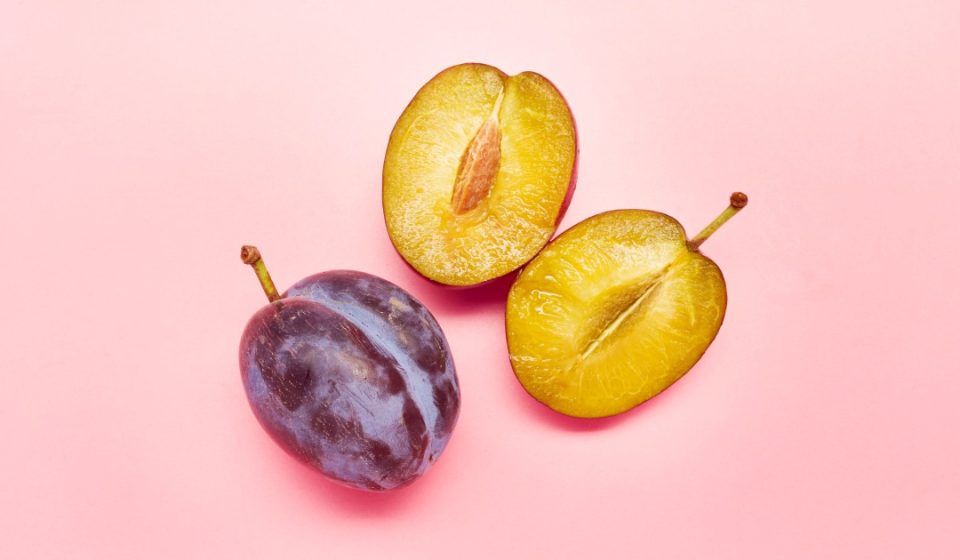
Fruit may be a gentle way to reduce the risk of dementia, the devastating loss of memory and cognitive function that can strike older adults.
What people eat can play an important role in brain health as they age, says Lisa Young, a registered dietitian and assistant professor of nutrition at New York University.
“We often think of a healthy diet in terms of protecting the heart, but the brain can also benefit,” says Young, the author of “Finally Full, Finally Thin,” says TODAY.com.
“The brain depends on a constant supply of nutrients, and what we eat can influence inflammation, oxidative stress, blood vessel health, and other processes involved in cognitive function.”
Research suggests that certain diets – such as the Mediterranean diet, which prioritizes fruits and vegetables, whole grains, beans, nuts, olive oil and fish – may be associated with a lower risk of dementia, she adds.
Eating lots of flavonoid-rich fruits in midlife was “significantly associated” with a 44 percent decreased risk of dementia, regardless of cause, researchers reported in the Journal of Prevention of Alzheimer’s Disease.
Flavonoids are natural plant compounds found in many fruits and other plant foods, Young explains. They help give certain fruits their vibrant colors and have antioxidant and anti-inflammatory effects, she adds.
Their benefits for cognition include protecting neurons from neurotoxins and fighting inflammation in brain tissue, as well as improving blood flow to the brain, the study notes.
A diet rich in flavonoids from fruits and other foods was associated with a lower risk of cognitive decline, according to a separate article published in Neurology. The results “support the benefit of higher flavonoid intake for maintaining cognitive function,” the authors write.
People who ate lots of flavonoid-rich foods, such as berries and apples, were less likely to develop Alzheimer’s disease than those who ate few of these foods, another study found.
Certain fruits are a “great source” of flavonoids, Young says. She encourages people to eat a variety of colorful plant foods to get different types of flavonoids, as well as fiber, vitamins, minerals, and other beneficial compounds.
Here are nine fruits to consider to reduce the risk of dementia:
Apples
This classic fruit is a “very important source of flavonoids” in the American diet, the researchers note.
The skin contains these and other beneficial plant compounds, as well as plenty of fiber, so it’s best not to peel your apples when you eat them, advises Young.
Apples are also one of the best fruits for reducing the risk of heart disease.
Pears
Juicy, sweet, and high in fiber, pears are on the list of healthiest fall foods.
Similar to apples, the skin contains lots of flavonoids and many other nutrients, so try eating pears with the skin on.
Oranges
Citrus flavonoids exhibit “anti-aging activities,” the researchers note.
In oranges, a type of flavonoid called hesperidin suppresses inflammation and has been linked to cognitive function, says registered dietitian Natalie Rizzo, TODAY’s senior nutrition editor.
“The majority of hesperidin in oranges is found in the peel. Since a whole orange (including the peel) is squeezed to make a glass of orange juice, hesperidin is most abundant in orange juice,” she notes.
Grapefruit
Frequent consumption of citrus fruits, including grapefruit, is associated with a lower risk of dementia, a study suggests.
Naringin, a subtype of flavonoid, is abundant in citrus fruits, particularly grapefruit, the researchers note. It is being studied as a potential “therapeutic agent” for Alzheimer’s disease.
When enjoying grapefruit, keep in mind that it may interact with certain medications.
Berries
Blueberries and strawberries are particularly good choices when it comes to fruits that may reduce dementia risk, says Young. Frozen berries are as nutritious as the fresh option, she adds.
“Freezing generally preserves many of the beneficial plant compounds found in berries, including flavonoids, and frozen fruits can be a convenient and economical way to enjoy them year-round,” notes Young.
“I recommend buying unsweetened frozen berries and adding them to oatmeal, yogurt, or smoothies, or enjoying them on their own. Fresh and frozen berries are both nutritious options, so choose the one you’re most likely to eat regularly.”
Dietitian Samantha Cassetty considers blueberries the healthiest berry and healthiest fruit in general.
TODAY, nutrition and health expert Joy Bauer advises eating 2 cups or more of berries per week.
Peaches
Compounds in peach flesh and peel may decrease the risk of brain disorders due to their antioxidant and anti-inflammatory effects, studies show.
Frozen peaches are a good alternative when fresh fruit is out of season.
Apricots
The bright orange fruits are high in polyphenols and have “moderate neuroprotective potential,” according to studies.
If you prefer dried apricots, be aware that drying can change the levels of individual plant compounds, so dried and fresh fruits are not necessarily nutritionally identical, notes Young.
She recommends enjoying dried fruit in moderate portions, ideally without added sugar.
Plums
The fruit’s deep purple or red skin signals the presence of powerful antioxidants. Plums are rich in flavonoids, and research into their health benefits shows promising results when it comes to their “memory-enhancing characteristics,” according to a systematic review. Plum consumption was also associated with improved cognitive function.
Prunes, the dried version of plums, were used in many of the journal’s studies.
Grapes
Red grapes are loaded with flavonoids, Julia Zumpano, a registered dietitian at the Cleveland Clinic’s Center for Human Nutrition, told TODAY.com.
Grapes show “promising results” for their positive effects on cognitive function and may improve certain aspects of cognition, according to a systematic review of randomized controlled trials.
Grapes are also on the list of fruits that can help reduce the risk of cancer.
Gn Health