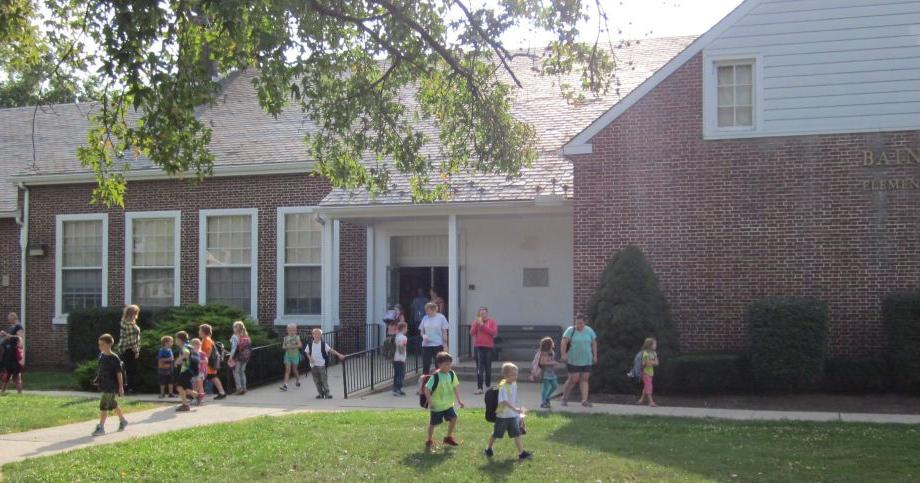
99% vaccination rate reported by E-town at Bainbridge Elementary School raises eyebrows (Lancaster Watchdog) | Local News

With Lancaster County the epicenter of a multi-state measles outbreak, residents of the Elizabethtown Area School District understandably have questions about how the district is responding to news of a Bainbridge Elementary School student’s infection.
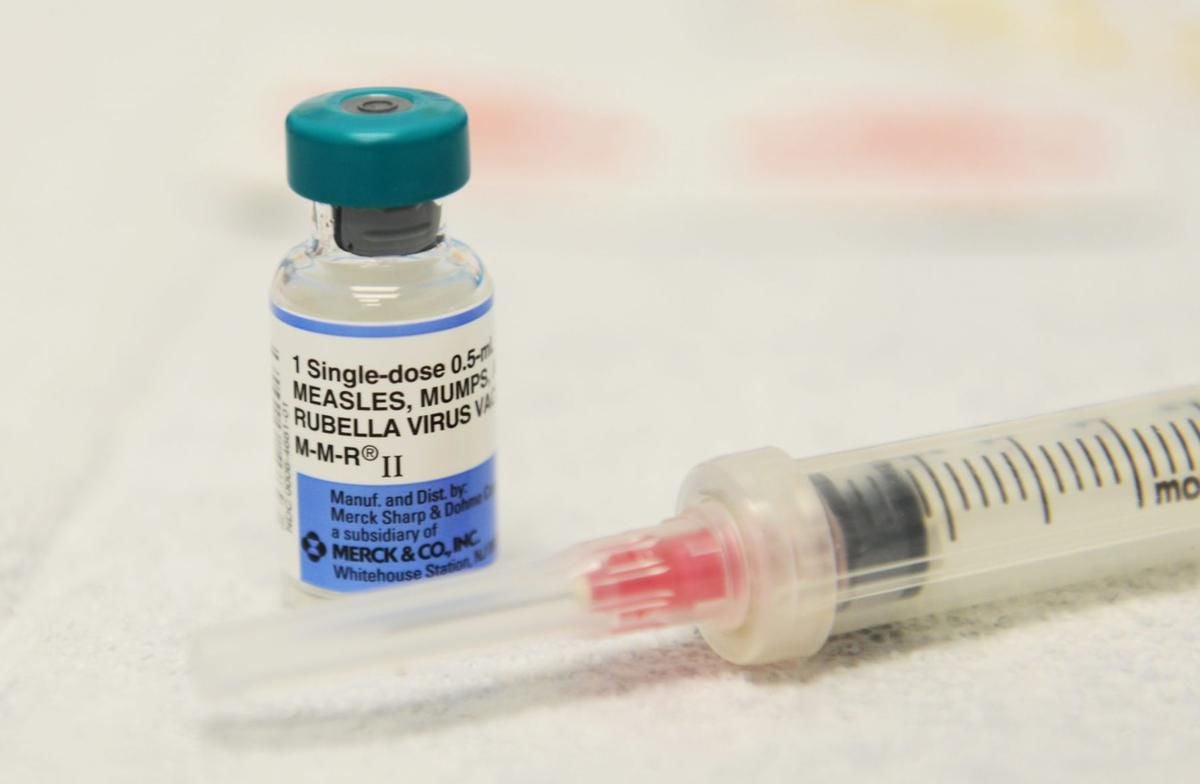
Measles is a highly contagious virus that spreads easily to people who have not received at least one dose of the standard combined measles-mumps-rubella vaccine.
Following the Oct. 7 announcement about the Bainbridge student, the Elizabethtown area released a statement saying vaccination rates in the district, and particularly at the elementary school, are well above the 95% herd immunity threshold recommended by health experts to prevent the disease from spreading easily.

The district posted an article on its website stating that 99 percent of students attending Bainbridge — the school’s student population hovers around 200 — have provided documentation “demonstrating protection against measles through the standard vaccination process.”
But those numbers appear to conflict with a set of numbers the district reported to the state health department in December, and the Watchdog wondered how two reputable sources — the district and the health department — could disagree on such critical information.
The Pennsylvania Department of Health compiles data on vaccination rates that schools are required by law to self-report by the end of each calendar year. The data is a snapshot of each district, including only student records from kindergarten, seventh and 12th grade.
Schools are also required to provide data on the number of students who are medically exempt from getting vaccinated and the number of students whose parents claim a religious or philosophical exemption from vaccinating their children.
The Department of Health made its data publicly available to make it easier for parents and community members to track health information “at a time when misinformation and conspiracy theories are sowing distrust in long-standing medical advice,” according to the department.
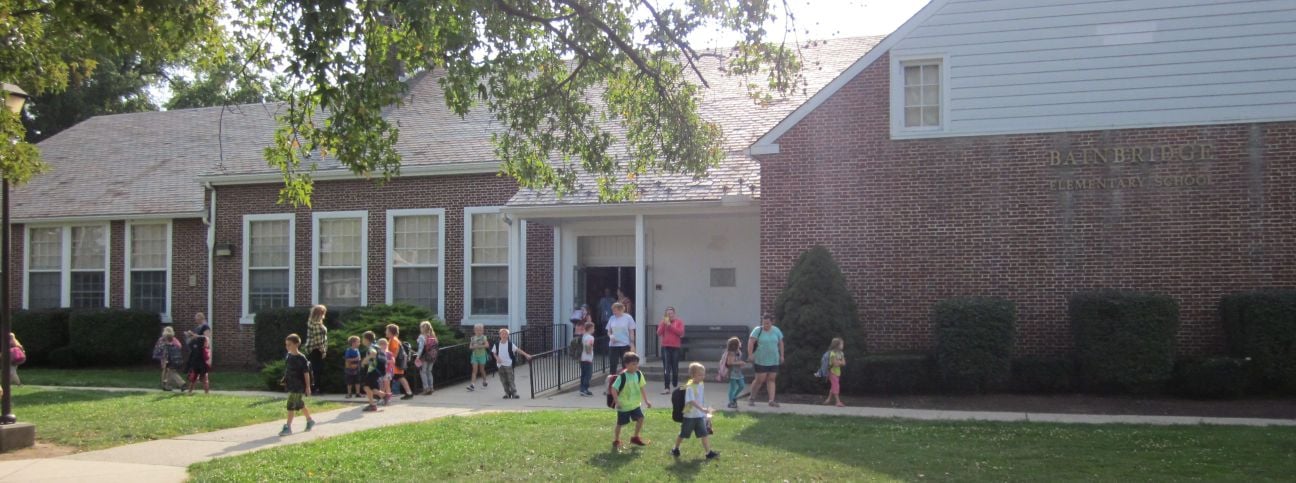
According to state data for the 2025-2026 school year, the Elizabethtown area reported in December that parents of Bainbridge Elementary School students provided documentation of full measles vaccinations (2 shots) for 68 of the school’s 77 kindergarten students, an 88.3% vaccination rate.
The parents of seven of the remaining nine students claimed a religious exemption to vaccinate their children, and two students were provisionally enrolled in school, meaning the parents of those students had a plan in place to fully vaccinate their children, but the students had not yet received all of their shots.
This is where the math starts to break down for the watchdog when she starts thinking about what the vaccination picture might look like at Bainbridge for the current 2026-2027 school year.
Let’s assume that the two former kindergarten students (now in first grade) who had a vaccination plan in place have since been vaccinated. And let’s assume, for argument’s sake, that the parents of all the remaining students at Bainbridge Elementary have no religious objections to vaccines and have fully vaccinated their children.
Even with these generous parameters, the religious exemptions of seven kindergartners-turned-first-graders would yield a schoolwide vaccination rate of 96.5% for a school of about 200 students. It’s still good, but by no means 99%.
If we consider, more realistically, that the rate of religious objections to vaccines among the seven first-graders’ families is representative of the rate of religious objections among all Bainbridge Elementary School parents, then we would be looking at a vaccination rate somewhere around 91%, well short of herd immunity.

The Watchdog asked district spokesperson Troy Portser whether the 99% vaccination rate reported by the district on its website included religious exemptions, but he did not provide an answer.
Is it possible that the seven families of kindergarten students last year who expressed religious objections to their children’s vaccinations are the only elementary and middle school families with registered religious exemptions? Certainly.
Is it possible that all of these families have since changed their minds and vaccinated their children against measles, or perhaps no longer send their children to Bainbridge? Of course.
Are these scenarios likely? No.
As measles spreads at a rate not seen in this country in decades, scholars are taking renewed interest in what motivates people who claim religious exemptions from vaccines. Not surprisingly, researchers have found that they make decisions based on deeply held beliefs that resist efforts to change them – through efforts like, say, a health information campaign.
So the Watchdog continues to question the number of religious exemptions at Bainbridge Elementary and across the district, and it continues to await specific data from district officials.

Recommended response to measles
Even though their numbers don’t seem to match, the state Department of Health and the school district appear to be on the same page when it comes to basic protocols for combating measles in a public school.
If a Lancaster County school learns that a person infected with measles is in the building, the Department of Health recommends staff contact the state Department of Health, which the district has done.
The school should then, in accordance with state Department of Health guidelines, review attendance records for all students and staff who attended the school while the person with measles may have been present. If it is confirmed that the person attended the school while infected, the school “may need to share information collected” when reviewing attendance records with the Department of Health to “help prevent the spread of measles to others.”
Elizabethtown said it communicates directly with families of students who develop symptoms and asks them to consult their health care provider for additional guidance, if appropriate, but did not say whether it has shared attendance records with the Department of Health.
Department of Health Deputy Press Secretary Stepahnie Nojiri said the department is working with schools to identify those who are not immune to the virus and providing guidance on “actions and next steps,” such as asking those who are not immunized to stay home and quarantine while monitoring for symptoms.
When asked if Elizabethtown shared attendance data with the Department of Health, Noijiri declined to provide specific information about any of its “ongoing investigations.”
“It is important,” the Health Department notes, that the district provide this information “as early as possible so that (the Health Department) can notify families of exposure, let families know what to do if they were not vaccinated at the time of exposure, and let families know how to contact” the Health Department and “seek care if they develop symptoms.”
If necessary, a school may ask potentially infected individuals who have not been vaccinated against measles to stay home until 21 days after their last exposure. The state Department of Health does not recommend closing a school in the event of a measles outbreak, as Oxford Area High School in neighboring Chester County did following a notification that one of its students was infected with measles.
The Elizabethtown area has not closed Bainbridge Elementary School.
Gn Health