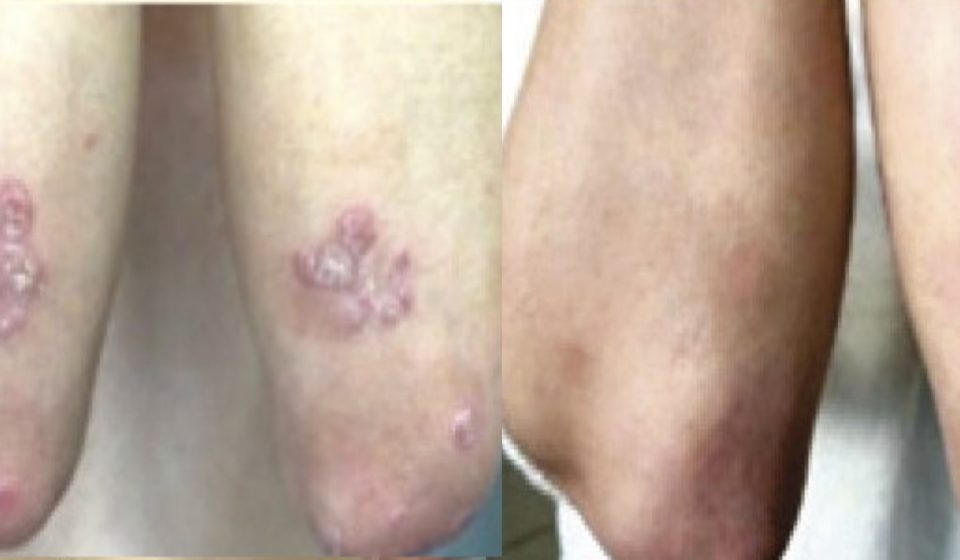
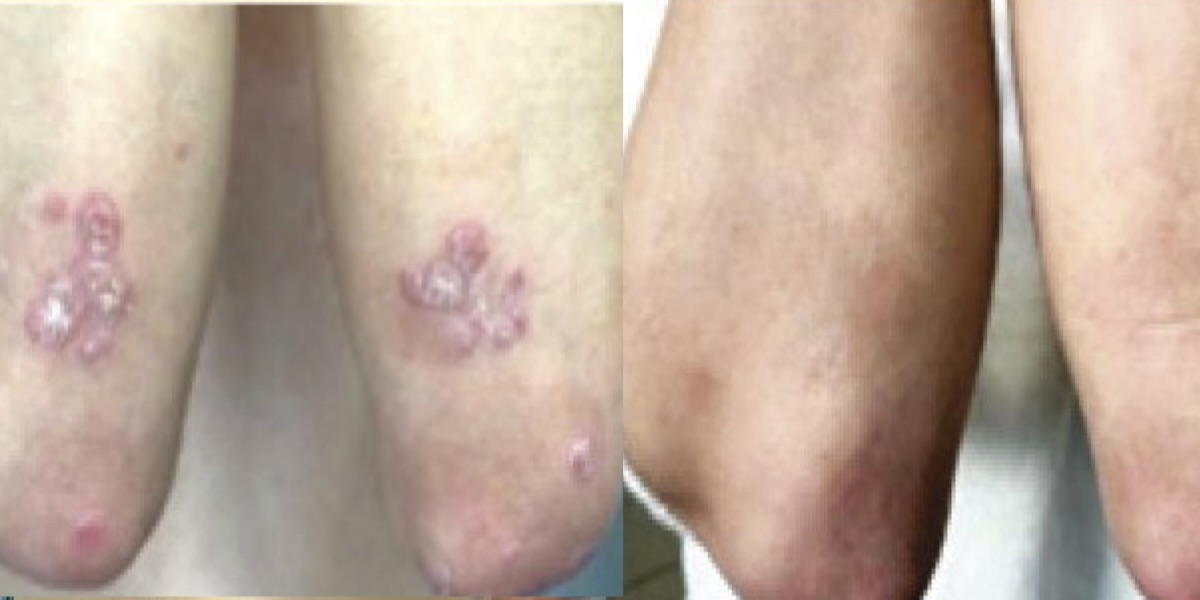
New research suggests a common skin condition with no cure could be treated with nutritional supplements.
The vitamin B derivative showed “encouraging” results in reducing psoriasis symptoms in studies of humans and mice.
Psoriasis causes an itchy, scaly rash, most commonly on the knees, elbows and around the waist, and this autoimmune disease has no cure.
Chinese researchers have discovered that the vitamin B5 derivative called pantethine limits the activity of immune cells that greatly contribute to autoimmune diseases such as psoriasis.
Their findings, published in the Journal of Experimental Medicine (JEM), show that pantethine helped alleviate psoriasis symptoms in a small human trial and also completely prevented its development in mice.
The Beijing team explained that dendritic cells are specialized immune cells that help coordinate different parts of the immune system.
They can engulf and present foreign antigens to activate highly specific T cells, as well as secrete a range of immune signaling molecules to recruit other immune cell types, thereby promoting inflammation.
Due to their central role in directing immune responses, aberrant activation of dendritic cells is thought to cause several autoimmune diseases, including psoriasis. But strategies around inflammatory diseases remain underexplored, says Dr. Wei-Na Zhang, co-senior author of the study.
“Metabolic pathways and their associated metabolites play a critical role in regulating immune cell function and autoimmune progression.
Levels of metabolic enzymes called Vanins are elevated in the dendritic cells of patients with psoriasis and several other autoimmune diseases.
If you can deplete these enzymes, you can inhibit the activation of dendritic cells and limit their ability to activate T cells. (In fact, treating mice with a drug that inhibits vanins prevented the animals from developing psoriasis.)
Pantethine is a widely available nutritional supplement often used to lower cholesterol levels due to its ability to inhibit cholesterol synthesis.
MORE GOOD NEWS FOR THE SKIN: This common fungus found on human skin eliminates deadly superbacterial staph infections
Dr. Zhang said Vanin enzymes convert the metabolite pantethine into vitamin B5, an essential nutrient needed for cellular energy production.
His team at the State Key Laboratory of Biomedical Analysis said cholesterol had previously been shown to promote the activation of dendritic cells, and that high blood cholesterol was a “major risk factor for the development of psoriasis.”
They determined that increased Vanin activity in dendritic cells reduces panthetin levels, leading to increased cholesterol synthesis and hyperactivation of dendritic cells.
Replenishing pantethine levels reversed the process, reducing cholesterol accumulation and suppressing dendritic cell activation.
“Insufficient levels of pantethine may be the crucial contributor to dendritic cell hyperactivation and autoimmune inflammation following the upregulation of Vanins,” Zhang said.
RELATED: Itch solution: New approach could treat inflammatory skin conditions like eczema with ‘huge benefits’
The small “proof of concept” trial treated 24 psoriasis patients with an ointment, but half of the patients also received pantethine tablets.
Over a 12-week period, patients who received the additional pantethine treatment experienced improvement in their symptoms, particularly if they had high blood cholesterol levels to begin with.
“Our investigator-initiated clinical trial demonstrated encouraging therapeutic efficacy of pantethine as an adjunctive treatment in psoriasis, providing a basis for therapeutic strategies targeting dendritic-mediated autoimmune diseases.”
CLEAR YOUR ELBOWS AND KNEES by sharing the advice on social networks…
Gn Health