
The Oakland Police Department was the subject of a consent decree in 2003, after a massive police brutality scandal rocked the city’s law enforcement community.
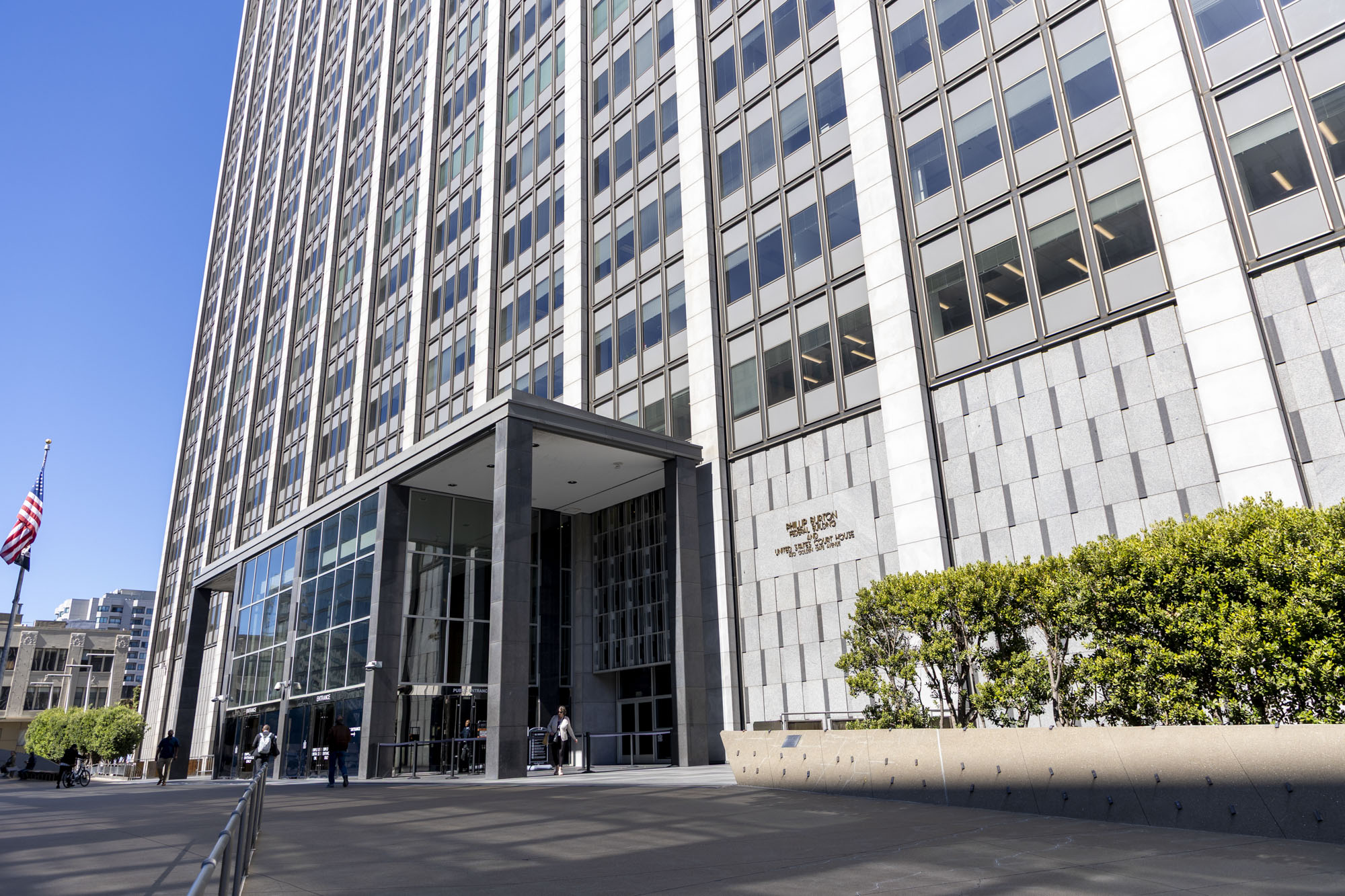
The Phillip Burton Federal Building and the United States Courthouse in San Francisco on September 29, 2026. A judge on Tuesday freed law enforcement from more than two decades of court-ordered federal surveillance. (Tâm Vũ/KQED)
A judge on Tuesday freed Oakland police from more than 20 years of federal oversight, considered the longest of any U.S. law enforcement agency.
The department will return to full independence after U.S. District Court Judge William Orrick declared that “the season for judicial review is over.”
“As important as it was for this court to play the role that it has, it is now important that it step aside and let the people of Oakland and their leaders fulfill their future,” Orrick told the San Francisco courtroom, filled with Oakland city officials.
OPD has been subject to court scrutiny since 2003, when it settled an $11 million class-action lawsuit following a notorious police brutality and corruption scandal. Four police officers, known as the “Riders,” were accused of beating, planting evidence, and falsely arresting West Oakland residents, as well as engaging in intimidation, beatings, kidnapping, and racial discrimination.
The department agreed to a federally mandated consent decree that required it to implement 51 organizational reforms related to use of force, discipline, supervision, training and internal affairs investigations.
James Chanin, who represented the plaintiffs in the case, called the change in the department since then “astronomical.”
“This is a very different department than it was. It’s like night and day,” he told the court Tuesday.
Initially, court supervision was expected to last between five and seven years. Instead, this process has been delayed by repeated missteps, setbacks, a revolving door of police chiefs and multiple city administrations.
OPD met most of the requirements years ago and has been responsible for maintaining them since 2022. But they continued to fail to complete certain tasks, keeping them in limbo.
“Today I hope to say that we have pushed this rock as far as we can…and it is up to the city to push it (all the way).”
“It’s not about today, it’s about tomorrow,” he said.
Brigid Martin, Oakland’s special counsel, responded that the city “has absolute certainty about what will happen tomorrow, and the next day, and the day after that.”
“Compliance with the NSA is not a temporary obligation; it’s the heart of Oakland police operations,” she said.
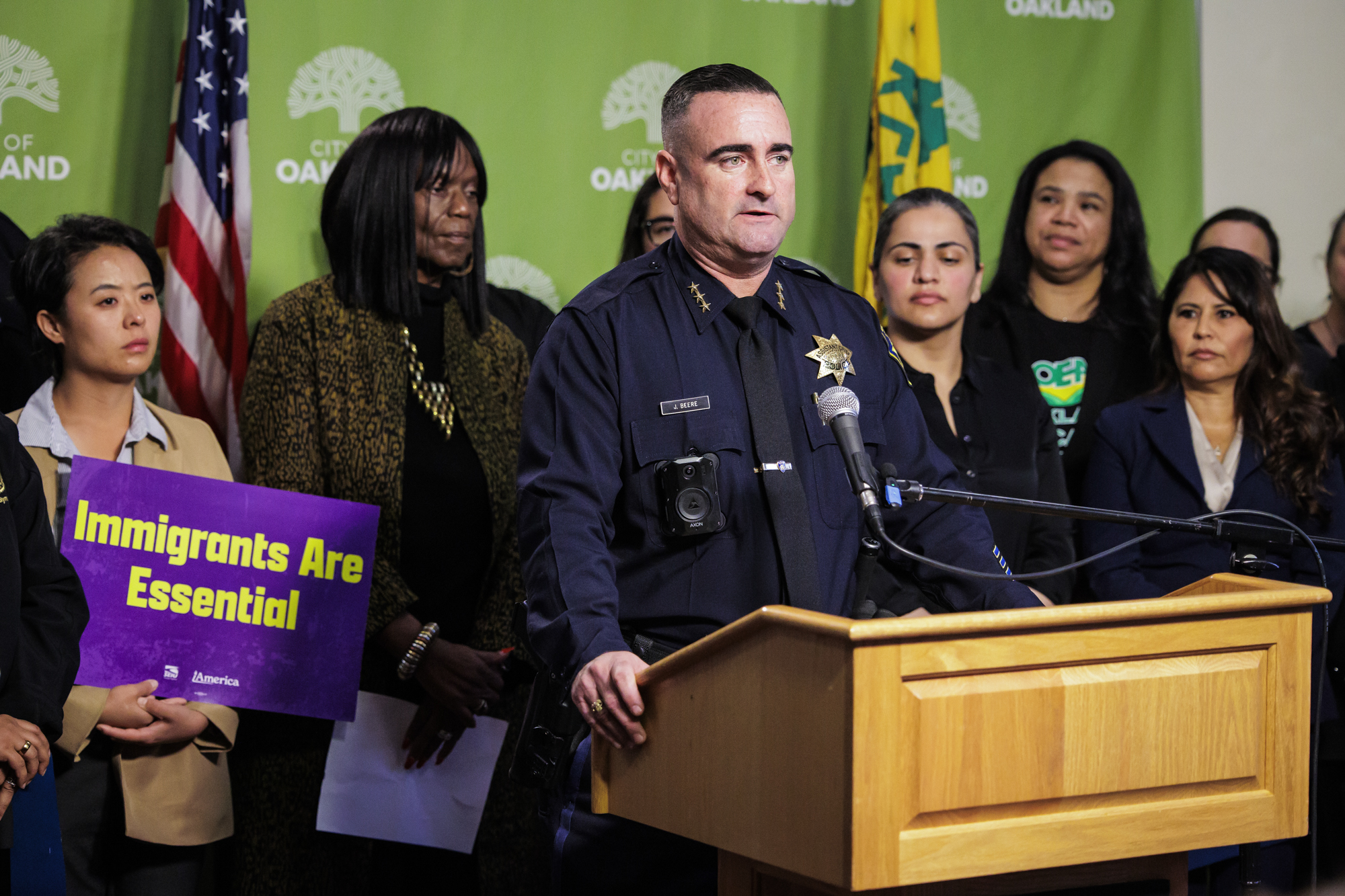
Oakland Police Chief James Beere said the department had to make “difficult decisions” between completing investigations within 180 days and achieving the rigor required in complex cases.
“The expectations for our investigation are not an excuse, but the expectations are not the same as they were twenty years ago,” Beere said.
Orrick said that while he didn’t consider the timeline of the investigation, he believed the leadership of Beere and Oakland Mayor Barbara Lee would hold the department accountable.
“Today is not a ceiling, it’s a floor,” Warshaw said in court. “The city should not see this as the end of something, but as a new beginning. »
Gn usa