NEWYou can now listen to Fox News articles!
A strict routine combining a low-calorie diet with supervised strength and aerobic training helped more than half of young adults reverse type 2 diabetes within six months, according to a study published in The Lancet Regional Health – Americas.
The study, called the RESET for Remission trial, found that 54% of participants under the age of 45 who completed the intensive lifestyle program achieved remission of the disease.
In comparison, only 4% of participants receiving standard medical care reached the same milestone.
VITAMIN SUPPLEMENT MAY DELAY DIABETES IN SOME GROUPS, RESEARCHERS SAY
Type 2 diabetes diagnosed at younger ages is historically aggressive, according to medical literature.
Patients diagnosed before age 45 face more rapid loss of blood sugar control, earlier cardiovascular complications, and shorter overall life expectancy than those diagnosed later in life.

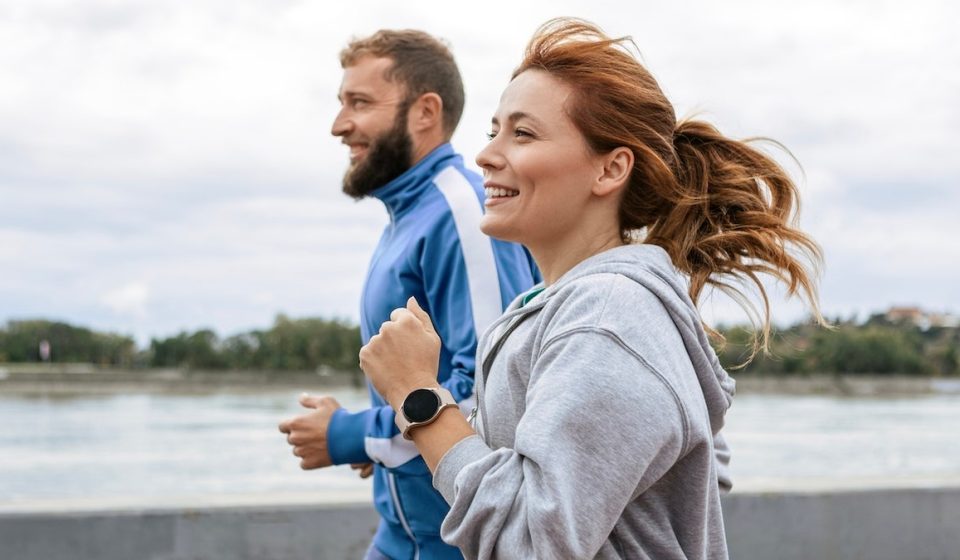
A strict routine combining a low-calorie diet with supervised strength and aerobic training helped more than half of young adults reverse type 2 diabetes within six months. (iStock)
Researchers from McGill University in Canada and the University of Leicester in the United Kingdom recruited 96 adults aged 18 to 45 with obesity and early-onset type 2 diabetes. None of the participants used insulin.
The intervention group stopped their blood sugar and blood pressure medications under medical supervision and began an intensive daily diet of 800 to 900 calories.
A SIMPLE EXERCISE DONE ONCE A WEEK COULD HELP REDUCE BLOOD PRESSURE
For the first two weeks, patients consumed only meal replacements. From weeks three to 12, they were given a structured meal of lean protein and vegetables and meal replacements each day, before moving into a weight maintenance phase for the final 12 weeks.
The program combined calorie restriction with supervised aerobic and resistance training twice a week, as well as weekly solo training.

To meet medical standards for remission, patients maintained healthy blood sugar levels below an HbA1c threshold of 6.5% for at least 12 weeks while not taking any diabetes medication. (Peter Dazeley)
“Our study shows that it is possible to combine a low-calorie diet with supervised exercise in young adults with type 2 diabetes,” lead author Dr. Kaberi Dasgupta, professor of medicine and director of the Division of General Internal Medicine at McGill University, told Fox News Digital.
“There was already concern that the combination of the two was too much of a burden for people. However, the people in our study remained in our study.”
“Our study shows that it is possible to combine a low-calorie diet with supervised physical activity in young adults with type 2 diabetes.”
Only 10% of participants failed to complete final assessments, and patients attended an average of 17 out of 20 supervised gym sessions.
Researchers have focused on resistance training to combat the loss of lean muscle mass, a major risk associated with rapid weight loss.
4 SIMPLE HABITS CAN HELP SLOW MUSCLE LOSS AS YOU AGE, SAYS FITNESS EXPERT
People who lose weight through crash dieting or appetite suppressant drugs can lose muscle as well as fat, experts warn. If the weight comes back, some research suggests it could come back disproportionately as body fat, potentially affecting muscle health and metabolism over time.
“In our study, we think the diet caused the weight loss and the exercise helped ensure it didn’t come from the muscle,” Dasgupta said.
TEST YOURSELF WITH OUR LATEST LIFESTYLE QUIZ
“We were happy and surprised to find that not only were people losing fat from their organs and livers, but our MRI studies indicated that their muscles had not decreased at all and their handgrip strength had increased.”

Combining a daily diet of 800 to 900 calories with supervised exercise helped 54% of young adults put their type 2 diabetes into remission within six months, compared to just 4% receiving standard care. (iStock)
Participants lost an average of 18.5 pounds over 24 weeks, while significantly improving their treadmill endurance and overall cardiovascular fitness.
To meet the official standard for remission, patients had to maintain a blood sugar HbA1c level below 6.5% after going at least 12 weeks without any glucose-lowering medication.
CLICK HERE FOR MORE HEALTH STORIES
After accounting for baseline health factors, researchers concluded that patients following a diet and exercise program were 21 times more likely to achieve remission than those receiving routine care.
Limitations of the study
Despite the promising results, experts highlighted notable limitations. The trial was small, examining fewer than 100 people at medical centers in England and Canada over a relatively short period of six months.
CLICK HERE TO SUBSCRIBE TO OUR HEALTH NEWSLETTER
Dasgupta also noted that the study could not determine exactly what was responsible for each benefit.
“The main limitation is that we had to compare diet and exercise with usual care,” he told Fox News Digital. “We would have liked to compare diet alone with diet and exercise to fully prove that the muscle and physical improvements came from exercise.”

Unlike crash diets or weight loss drugs that often strip away lean tissue, the program’s strength training allowed participants to lose an average of 18.5 pounds, while preserving muscle mass and increasing grip strength. (iStock)
The strict routine also took a physical toll. About 86% of the intervention group reported mild to moderate side effects, mostly in the first few weeks, including headache, fatigue, dizziness and constipation, although the researchers noted that no serious medical complications occurred.
CLICK HERE TO DOWNLOAD THE FOX NEWS APP
Medical professionals have warned that diabetes remission is not a permanent cure and that maintaining an 800 calorie threshold alongside a supervised gym can present significant obstacles for busy adults outside of a clinical setting.
The study authors noted that longer-term trials in real-world settings are still needed to determine whether patients can maintain their weight, preserve muscle gains, and remain medication-free once normal daily routines resume.
Gn Health