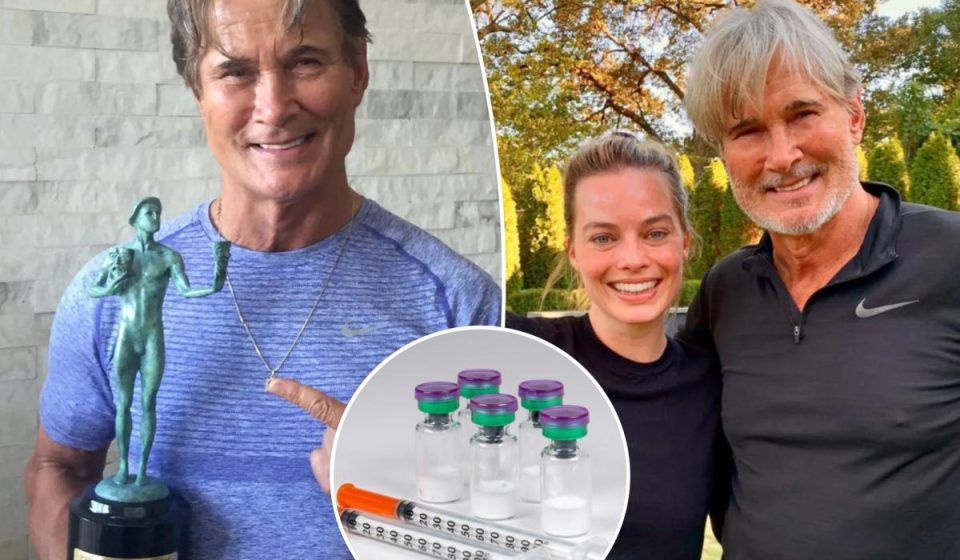
A doctor-prescribed peptide intended to restore youth and vitality led to the sudden death of one of Hollywood’s most trusted action actors.
Richard Norton, a veteran Australian actor, stuntman and fight coordinator who worked with A-list stars, died at age 75 in Melbourne on March 30, 2025 after suffering cardiac arrest following injections of fashionable substances, according to the Daily Mail.
His death is what authorities believe is the first such death in the country.
A coroner’s report released Wednesday reportedly attributed his death to complications related to unapproved peptide products.
Although a doctor prescribed the anti-aging cocktail, coroner David Ryan noted that Norton had taken “amounts of the medication in excess of the prescribed dose.”
The physical powerhouse has built a decades-long career alongside action stars such as Chuck Norris and trained Hollywood heavyweights including Scarlett Johansson, Margot Robbie, Ben Affleck, Liam Neeson and Tom Hardy. He also worked as a bodyguard for music icons like David Bowie.
After undergoing bilateral shoulder reconstruction, Norton sought treatment from his practitioner, Dr. Jerzy Muchnicki, in March 2025 for fatigue, decreased physical recovery, muscle loss and shoulder pain. He told the doctor that another doctor had already prescribed him peptides.
Muchnicki prescribed CJC-1295 and ipamorelin, two unapproved peptides that work together to stimulate the body’s natural production of growth hormone and insulin-like growth factor 1.
The combination is marketed by some users and clinics as a way to promote muscle growth, promote fat loss, speed recovery after strenuous exercise or injury, improve sleep, stimulate collagen production, counteract age-related decline, and improve overall energy.
However, the evidence supporting these purported claims remains limited, as large-scale, long-term human studies establishing their safety are lacking, leaving important questions about their potential dangers unanswered.
“Dr. Muchnicki discussed in detail what peptide therapy entailed, including the experimental nature of the treatment,” Ryan reportedly wrote in his findings.
He also noted that Norton underwent blood tests to establish baseline health parameters and check for any underlying conditions or potential contraindications that could affect treatment decisions.
“They also discussed the potential risks and lack of other alternative treatment options currently approved by the Therapeutic Goods Administration,” he wrote.
This battery carries potentially serious and even life-threatening risks, including concerns about abnormal cell growth and cancer and cardiovascular complications.
Neither CJC-1295 nor ipamorelin is approved by the United States Food and Drug Administration or the Therapeutic Goods Administration of Australia for medical treatments.
Norton allegedly signed a consent form outlining the potential benefits and risks of the treatment, including anaphylaxis. He received a prescription for injectable CJC-1295 and ipamorelin on March 19, according to the Guardian.
Days before his death, the actor reportedly told his healthcare team that he was feeling good and that peptide therapy was improving his symptoms. But on March 28, he revealed to a nurse that he was taking twice the prescribed dose.
A few hours after speaking with the nurse, Norton injected the peptides and began feeling hot and flushed before no longer reacting.
He was taken to hospital, where he died.
Muchnicki has faced scrutiny from the Medical Board of Australia for his use of unproven peptides and his deficient patient records, the Guardian reported. Retraining in clinical record keeping was made mandatory in lieu of a formal regulatory measure.
Ryan has called on the TGA to examine the purported therapeutic benefits and safety risks of these substances, demanding tighter restrictions on their use.
“I am not convinced that it is appropriate for them to be available to be prescribed by doctors,” the coroner said in his findings, according to the outlet.
Instead, he insisted that peptides be limited to clinical trials and other experimental uses.
“It is not clear to me how their safe use can be clinically indicated given the recognized uncertainties about their therapeutic benefit and their (not yet fully known) risks to patient safety. »
Gn entert