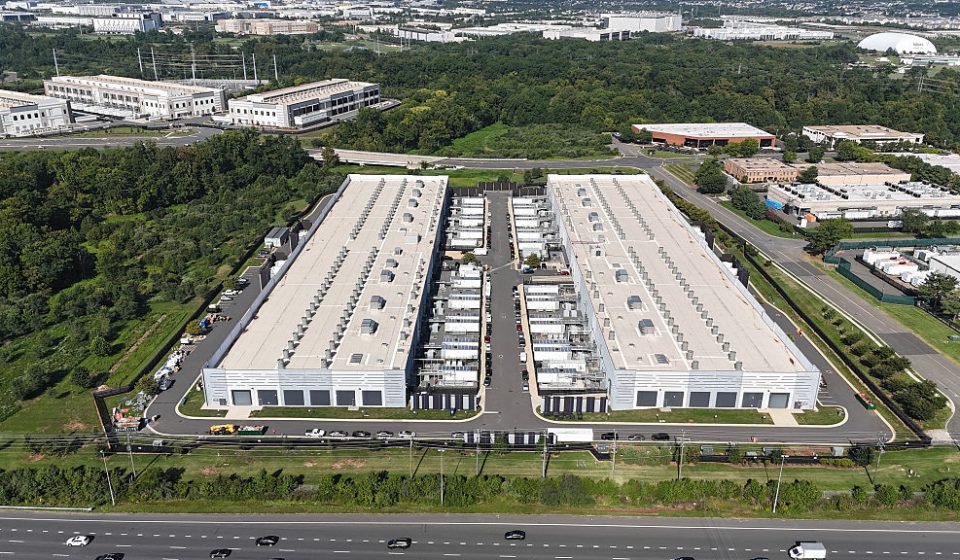

On Friday, Amazon pledged to donate more than $1 billion over the next five years to communities surrounding data centers.
In a press release, Matt Garman, CEO of Amazon Web Services, said communities will decide how to prioritize funds between “education, job training, energy affordability, water and energy conservation, and local priorities.”
Outlining other community commitments, Amazon also promised to ensure data centers would not increase electricity bills or wipe out local water supplies. Regarding the latter, Amazon promises to be “water positive” by 2030, while affirming that 75% of projects have already achieved this objective.
By implementing these commitments, Amazon seemed determined to convince Americans that the growing data center backlash is based on lies. Echoing Donald Trump’s claims that overseas disinformation campaigns are fueling widespread protests, Garman stressed the need to end calls for data moratoriums or else U.S. AI could fall behind China’s.
According to Garman, America’s rivals are trying to “talk us into slowing down,” and Amazon’s commitments are intended to reassure Americans that everything is fine and that we should instead move forward, as Trump continually advocates.
However, advocates at Stand.Earth, a global nonprofit that fights for environmental protection in communities hosting data centers, told Ars that Amazon was being “deceptive” by spreading “corporate propaganda.” Apparently in crisis mode as billions of dollars in data center projects have been blocked nationwide, Amazon’s promised donations represent “a desperate attempt to control the damage caused by its data center construction,” Stand.Earth said.
Most problematic, Stand.Earth suggests, is Amazon’s plan to support a power plant that experts say will become the largest source of climate pollution in the United States. Amazon’s data center commitments glaringly make no mention of the power plant and barely address pollution, aside from promising to rely exclusively on backup generators using the lowest possible emissions.
Gn bussni