Florida counties are expected to lose billions of dollars in tax revenue after voters passed Amendment 3, a property tax overhaul that aims to reduce costs for property owners while reducing revenue for local governments, according to the Florida Policy Institute think tank.
Amendment 3 passed with 62 percent support from Florida voters earlier in November and despite the significant share of voter support, critics have expressed concerns that the measure could result in budgetary challenges for local governments.
The amendment expanded the state’s homestead exemption from $25,000 currently to $150,000 in 2027 and $250,000 in 2028. A homestead is a person’s primary residence, so vacations or rentals do not qualify for the exemption under the law.
Learn more on News
Cities and counties across the Sunshine State have already begun cutting back services and events as they grapple with the impact the amendment could have on their budgets in coming years.
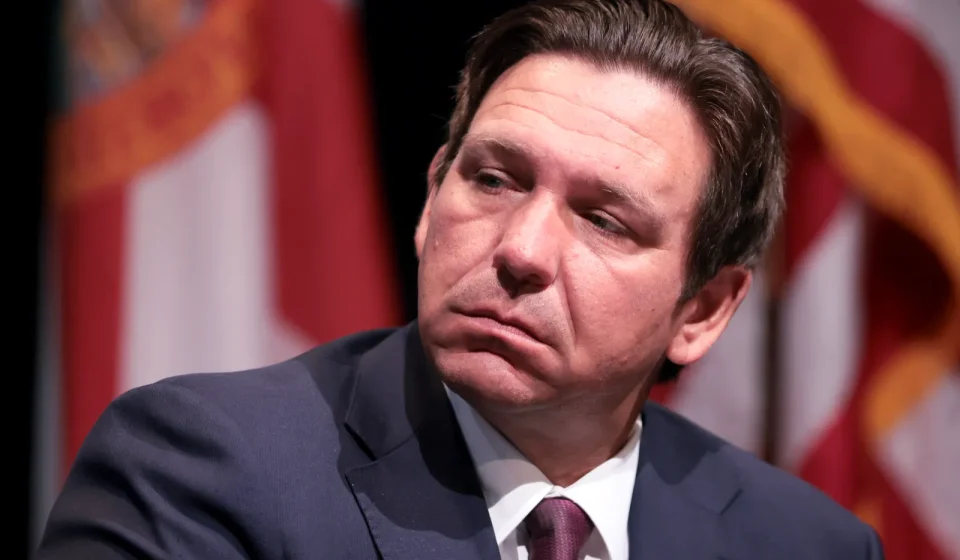
News week contacted Florida Republican Gov. Ron DeSantis, who supported Amendment 3, for comment via email.
How Florida government funding could dry up
Critics argued the amendment would result in a significant reduction in tax revenue for local municipalities, saying the losses could impact essential public services and programs statewide. The Florida Policy Institute wrote in a statement after the amendment’s passage that communities would face “a recurring loss of $12 billion in local revenue.”

“As Florida municipalities prepare to make difficult choices about how to balance their budgets amid drastic revenue reductions, it is crucial that local governments put citizens first, raise revenues in the least regressive way possible, and protect against draconian cuts to essential services,” wrote the Florida Policy Institute (FPI).
Supporters, however, said the amendment would address affordability concerns. Miami-Dade County Commissioner Roberto J. Gonzalez wrote on »
Under the plan, Miami-Dade County, the state’s largest, would suffer the most, according to the FPI, losing more than $1.4 billion in tax revenue. Other large counties like Broward or Palm Beach could also lose $1 billion in revenue, but smaller counties, many of which are already under budget constraints, could also be affected, according to the report.
Local governments “will likely need to decide whether to reduce funding for these services or increase revenue through other means,” the FPI warned.
Florida cities consider service cuts
Some cities in Florida have already announced they are cutting services.
In Deltona, a city of more than 100,000, City Manager Doc Dougherty wrote in a letter to residents earlier in November that its Christmas parade should be canceled to ensure the city remains “fiscally responsible” after the constitutional amendment takes effect on Jan. 1, 2027. The city, he wrote, will be “the hardest hit” compared to other Central Florida cities.
However, he announced Monday that the parade would resume after community organizations “came forward to offer their support to make the annual holiday tradition possible.”
Other cities have made similar decisions.
The St. Pete Beach City Commission in Pinellas County voted earlier in November against renewing funding for the Pinellas Suncoast Transit Authority’s (PSTA) Suncoast Beach Light Rail service when its contract expires Dec. 31.
Polk County Sheriff Grady Judd said in a video earlier in November that law enforcement will have to adjust their services after the law passes.
“Above all, I will never, ever put the lives of the people of Polk County in danger,” he said. “The basic service is we can save your life. We can protect you from the bad guys and we can lock up the bad guys. That will remain. How we provide that service is yet to be discovered.”
The Broward County Children’s Service Board could also face budgetary challenges due to the amendment, as it is expected to lose up to $17 million in funding, CBS News Miami reported.
Ron DeSantis responds
DeSantis criticized local governments for their response to Amendment 3.
“Here is another episode of Washington Monument syndrome, as local governments attempt to punish voters for their choices at the ballot box. Amendment 3 ‘forces’ raises for people with disabilities but conveniently does not impose cuts in bureaucracy or salaries over $200,000,” he wrote in response to the St. Pete Beach City Commission.
Other Republicans argued that Amendment 3 was a fiscally responsible move.
“They act like they have no money! Property taxes went from $45 billion to $65 billion in 4 years…on the backs of property owners. Even after Amendment 3 passed, our counties still have a $10 billion pay raise (revenues are still at $55 billion). Bottom line…Our counties spent money on things that property tax revenue wasn’t never intended,” state Rep. Ryan Chamberlin wrote in an article on X.
Contact News week editors on this story: Jason Lemon and Geoffrey Rowland.
Gn usa