American households pay 62% more for water than a decade ago, study finds | US News

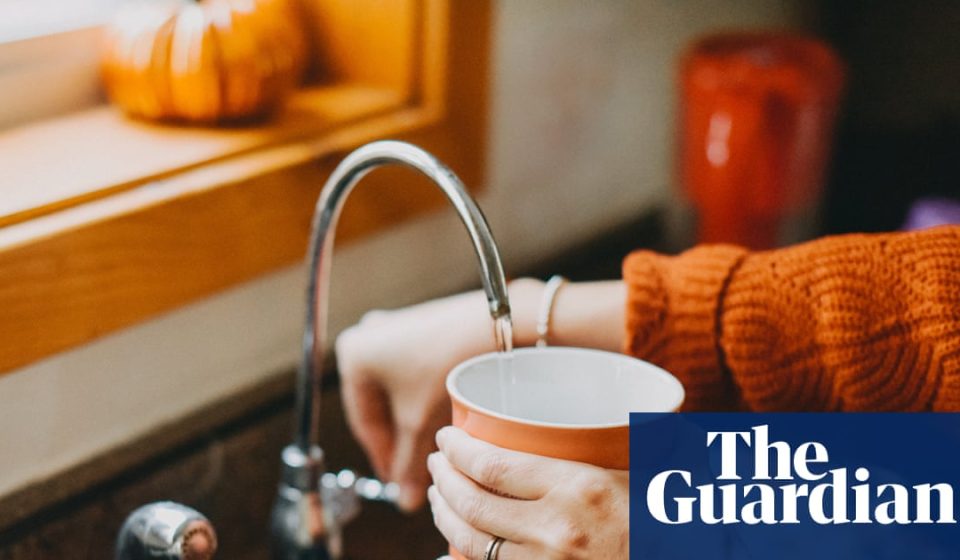
American households are paying 62% more for drinking water than they did a decade ago – outpacing inflation, food prices and household incomes, a new study finds.
Food & Water Watch, a Washington, D.C.-based nonprofit, analyzed 2025 billing data from the 500 largest community water systems in the United States, which together serve about 155 million people, or 45 percent of the nation’s population. The analysis compared current rates with data from a similar Food & Water Watch survey conducted in 2015. The study does not include wastewater or stormwater fees, which are often billed separately from drinking water service.
In 2025, the study found, the average household using 60,000 gallons of water paid $531 for drinking water service. However, costs varied widely, with annual bills ranging from $133 for the cheapest system to $1,416 for the most expensive system.
Water prices rose 1.6 times faster than overall inflation between 2015 and 2025. Consumer prices rose 39% during that period, compared to a 62% rise in water bills, the study found. Water costs have also increased more than twice as fast as those of groceries, which increased 30%, and eggs, which increased 28%.
Water bills have also increased faster than household incomes, increasing 19% more than the national median household income between 2014 and 2024, the study found.
Mary Grant, director of Food & Water Watch’s water program and co-author of the study, said: “Water bills are rising much faster than many households can keep up and this increase in water costs is having an impact in every part of the country. Low-income households are hardest hit.
“Corporate water abuses, federal divestment and climate change are amplifying water rate hikes across the country. »
The increases have been particularly severe in some states. New Hampshire’s water bills jumped 177 percent over the decade, followed by Oregon at 114 percent and West Virginia at 95 percent. In Louisiana, Maryland and West Virginia, water bills rose at a rate about twice the state’s median household income, while in New Hampshire, water bills rose nearly five times as fast.
The study also found a major disparity between public and for-profit water systems.
Company-owned utilities billed the average household $823 per year, compared to $494 for public systems, a difference of $329, or 67 percent. Enterprise systems made up only 11% of the 500 systems analyzed by the study, but accounted for 44% of the 25 most expensive systems. The study adds that 70% of the 10 largest companies are owned by for-profit companies.
California accounted for 52% of the 25 most expensive water systems. In contrast, the 25 least expensive systems were in the public sector. About 60 percent of the least expensive systems were in the South, many of them in Florida and Georgia, according to the study.
Water was even less affordable for low-income households, the study found. Water bills exceeded the study’s affordability threshold in 93% of systems, costing more than 1.5% of the income of the poorest fifth of households. Only Idaho and Utah remained below the threshold.
West Virginia and Puerto Rico face the heaviest financial burdens, the study found. Water bills accounted for about 11 percent of low-income household income in West Virginia and about 20 percent in Puerto Rico, which the study describes as “simply unaffordable by any metric.”
Grant of Food & Water Watch said water systems need to be updated to repair “aging water pipes and help clean up toxic contamination from lead pipes, Pfas Forever chemicals, nitrate pollution from industrial agriculture, the list goes on.” She added: “Corporate control of water systems is exacerbating this affordability crisis, as large water monopolies remove local control, prioritize profit and further raise water prices. »
Grant said communities could face increasingly difficult choices as they struggle to secure additional public investment. “Without real solutions to hold polluters accountable, establish local affordability programs and expand federal support, systems serving vulnerable communities could face an impossible choice: forgo an urgent water security project or leave many people without water service,” she said.
In a separate statement, the American Water Works Association (AWWA), a nonprofit whose members include more than 4,300 utilities providing about 80 percent of North America’s drinking water and treating nearly half of its wastewater, highlighted infrastructure renewal, resiliency and regulatory requirements as key cost drivers threatening drinking water affordability.
“If communities rely exclusively on revenue from water bills to meet these needs, the average annual household drinking water bill would increase from $429 in 2025 to $969 by 2050 (2025 dollars), more than double in real terms,” said Greg Kail, AWWA spokesperson.
“This would mean that around 30.4 million households – or 21.5% – would spend more than 2.5% of their income on drinking water, and that 53.5 million households – or 37.8% – would exceed the 1.5% income threshold. An estimated $13.6 billion in aid per year would be needed by 2050 to keep water bills below commonly understood affordability criteria,” added Kail.
Meanwhile, the National Association of Water Utilities (NAWC), a trade association representing private water and sanitation utilities, said it had not reviewed the Food & Water Watch study but pointed to the growing costs of maintaining water systems.
“Affordability is a legitimate challenge for many households and one that NAWC and its members take seriously,” said NAWC spokeswoman Jenn Kocher, citing costs related to aging infrastructure, current Pfasand regulations, cybersecurity and severe weather.
Kocher also highlighted customer assistance programs offered by private water companies, saying, “Many private and regulated water companies offer robust assistance programs that help low-income customers maintain service and manage their bills. These programs are often overlooked in rate comparisons.”
“In comparison, many utilities face legal or other restrictions on cross-subsidizing their customers, which may limit the types of assistance programs they are able to provide,” she added.
“Assessing affordability based solely on published rate schedules can give a misleading picture of what many customers are actually paying after accounting for assistance and conservation programs,” Kocher continued.
Gn headline