
(Corrects typographical errors in paragraphs 2 and 10)
By Ankur Banerjee
SINGAPORE, Nov 6 (Reuters) – Technology-heavy Asian markets slumped on Friday as fears of increased regulatory scrutiny and a slowdown in AI development triggered the biggest decline in U.S. stocks since the “Liberation Day” rout triggered by tariffs in April 2025.
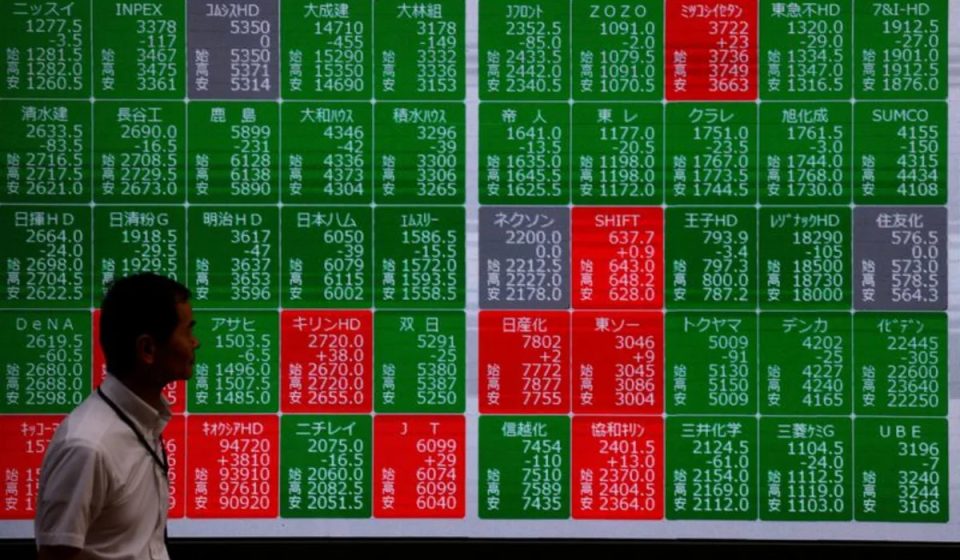
South Korea’s KOSPI fell more than 8% to trigger a circuit breaker and was last down 7% after trading resumed. Japan’s Nikkei fell 6%, while Taiwan’s fell more than 8%.
Wall Street’s volatility “fear gauge” soared, the Nasdaq fell 5.5% and $3 trillion was wiped from S&P 500 companies as investors worried that Democrats, who dominated this week’s midterm elections, would dampen the AI boom.
Political nervousness is hitting an already fragile AI sector due to concerns about the return on investment of the huge sums of money invested in the technology.
“There is also clearly an element of panic in the selling, and the positioning makes the adjustment much more violent,” said Charu Chanana, chief investment strategist at Saxo.
“When investors begin to unwind these positions simultaneously, the selling can be self-reinforcing, particularly if leverage and forced liquidations are involved.”
Market participants view Asian chipmakers and data center equipment suppliers in South Korea, Taiwan and Japan as particularly vulnerable and they already fell on Wednesday and Thursday.
AI chip makers Samsung Electronics fell nearly 10% while SK Hynix slipped 11.7%. Kioxia plunged 14% while TSMC was down 8.5%.
AI investor SoftBank Group slipped 11%, while the cost of insuring against default for SoftBank hit a four-year high on Friday.
European stock futures fell 1%, indicating the selloff was likely to spread to Europe.
CHANGE IN FEELING IN REAL TIME
Investor fears also centered on whether slowing AI infrastructure development could “hurt small businesses whose ability to raise capital has already been limited by higher interest rates and tighter financial conditions.”
Neocloud company CoreWeave, which has become a barometer of investor anxiety over big AI spending and borrowing, fell 10%. Its 5-year credit default swap spreads, which measure market expectations in the event of a potential default, have widened to a record level.
“It’s pretty clear there’s been a real shift in sentiment,” said Michael McCarthy, managing director for Australia and New Zealand at online brokerage Moomoo.
“Market turning points are often accompanied by deep disagreements, which translate into huge swings in both directions in the market,” he said. “That’s what we seem to have had – and last night’s emphatic sell-off suggests that’s the direction we’re headed now.”
Gn bussni