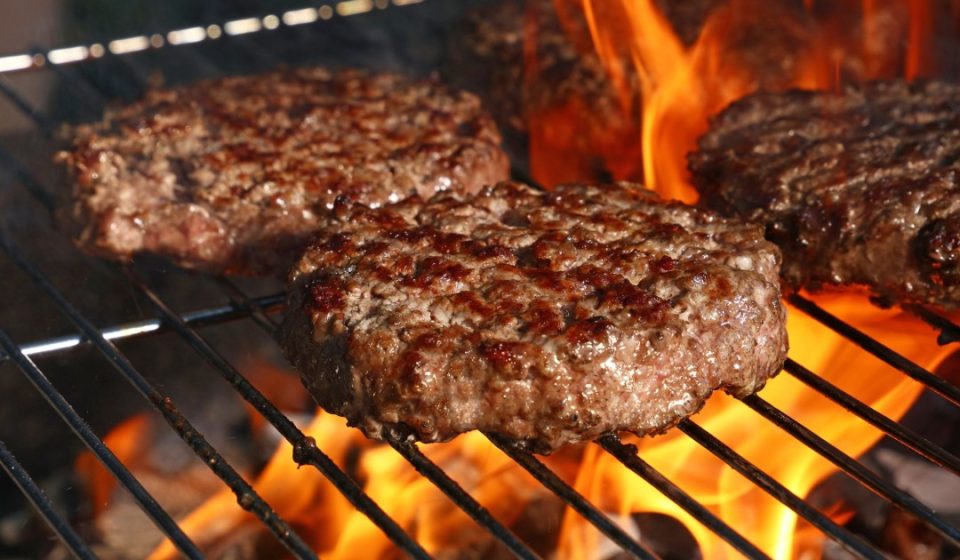
Sticker shock at the meat counter isn’t a failure, it’s the new benchmark for beef. Write for The Wall Street JournalPatrick Thomas says the U.S. cattle herd has fallen to its smallest size in about 75 years after drought, high feed and fuel costs and the chaos of the pandemic era. This supply crisis is pushing prices for steaks and burgers to record levels and could keep them high over the next decade, given that it takes nearly two years to bring new cattle to market. Meanwhile, big meatpackers like Tyson, JBS and Cargill are losing money, closing plants and permanently reducing their processing capacity. “It is very difficult to recover this capacity after the closure,” laments a beef industry analyst. “Further contraction is one of the biggest long-term threats to the industry.”
Breeders, for their part, are reluctant to take on more debt to replenish their herds while transport costs are increasing and cheaper imports, particularly from Brazil, threaten to undercut them. The Trump administration has relied on these imports to reduce prices, but so far it has barely moved the needle for buyers. “We still have a long way to go before we increase (herd) numbers, and we’re going to get tighter before we get better,” says Derrell Peel, a professor of agricultural economics at Oklahoma State University. “High prices are still ahead of us.” A Texas smokehouse is already taking drastic measures: It’s removing brisket from its menu, noting that the meat product “consumes more than 70 percent of our total grocery costs,” according to the Washington Post. For a look at the strained beef supply chain – from auction barns to shuttered factories – read the full article here. (Not all beef producers are pessimistic.)
Gn bussni