
Photo: EWG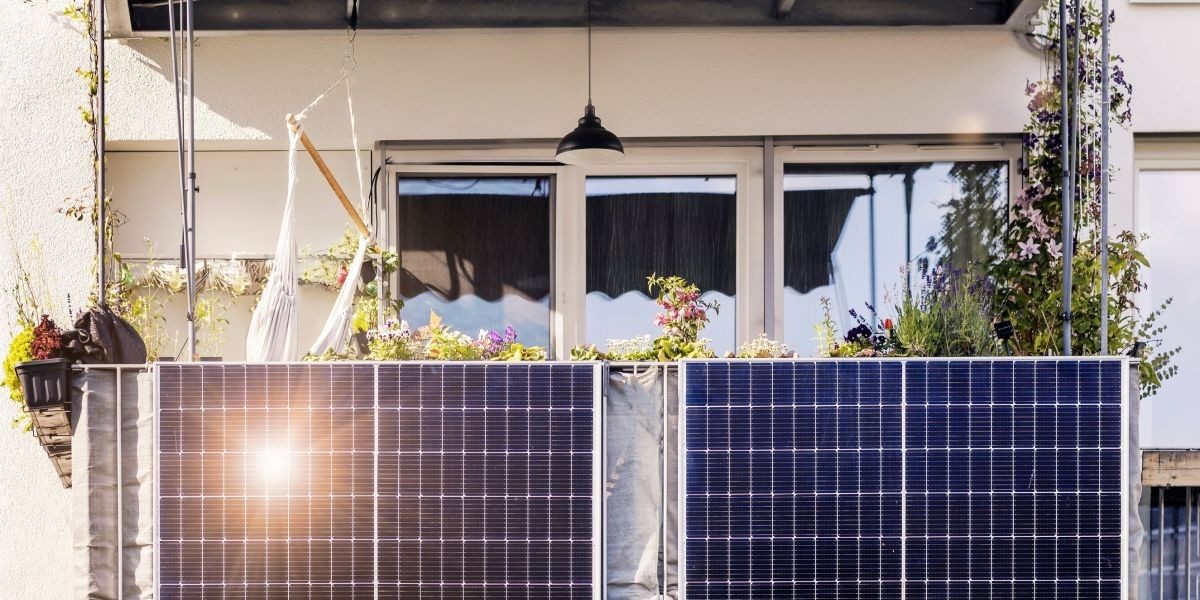
Californians who can’t install solar on their roofs have another way to enjoy the sun. Gov. Gavin Newsom signed a bill opening the door to small rechargeable solar panels, also known as balcony solar panels, as well as two laws designed to make the most of the home energy devices and grid California already has. All three were signed on September 30.
Ready-to-use balcony solar
For renters, apartment dwellers and homeowners with unsuitable roofs, the most immediately relevant change is SB 868, Sen. Scott Wiener’s Plug and Play solar law.
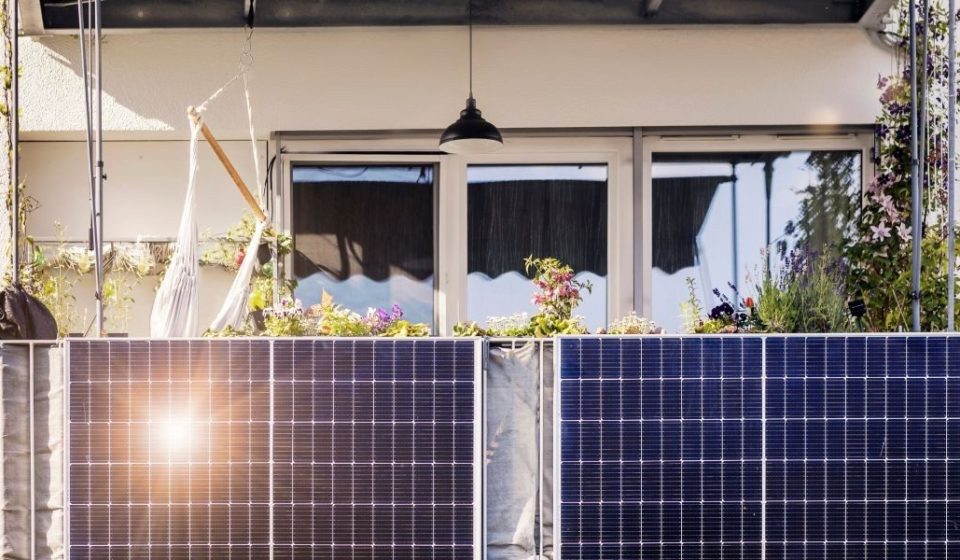
Balcony solar is pretty much what it sounds like: small solar systems that can be installed on a balcony, patio, or sunny yard and plug into a 120-volt household outlet. They produce electricity to power appliances operating in the home, reducing the amount of electricity the household must purchase from its utility.
California law covers balcony solar systems with a combined output of up to 1,200 AC watts per household. Eligible devices must comply with electrical codes, be certified by Underwriters Laboratories or an equivalent testing laboratory, and include protection to prevent them from injecting electricity into the grid in the event of an outage.
The big change is the administrative formalities. Utilities will not be able to require an interconnection agreement, pre-approval, or device fees for eligible systems. They may require a simple online notification indicating the address, make, model and size of the system.
These utility exemptions expire on January 1, 2030, under the signed legislation.
Virtual power plants
The other two bills, both authored by Sen. Josh Becker, address a different question: How can California better use the energy equipment people have already paid for?
SB 913, the Clean Local Power Act, addresses coordinated groups of home batteries, electric vehicles, smart thermostats and other devices that can provide electricity or reduce demand when the grid needs help. Becker says California should leverage these existing resources to help maintain reliability and reduce costs.
The law directs regulators to improve ways for these virtual power plants to meet utility reliability requirements – the requirement to have enough power available when customers need it.
This gives coordinated domestic energy resources a clearer path to compete with conventional power plants. Regulators have until June 30, 2028 to make the required changes.
Maximize Grid
SB 905, meanwhile, focuses on poles and wires, and the goal is to curb rising utility bills.
This requires large investor-owned utilities to publish data showing how well different parts of their local networks are used, how much space they have outside of peak hours and where capacity is limited.
Utilities should also evaluate whether batteries or shifting electricity consumption to less busy times could meet local grid needs at a lower cost than upgrading traditional infrastructure.
The law also goes beyond network data. It directs regulators to consider lower shareholder returns on some utility investments and explore less expensive ways to finance electricity infrastructure. Potential savings will depend on what regulators decide and how utilities implement those requirements.
Kat Lockwood, CEO of the Climate Center, said, “Not only do these laws provide relief to Californians struggling with high utility bills, they also create a foundation for climate action and affordability that our next governor can build upon.
Learn more: EIA: 83 GW of renewables and storage available in 12 months as fossil fuel capacity declines

If you’ve ever considered going solar, make it easier on yourself by finding a trusted and reliable solar installer near you who offers competitive pricing by consulting EnergyWise. It has hundreds of pre-screened solar installers competing for your business, ensuring you get high-quality solutions and savings of 20-30% compared to a stand-alone solution. Plus, it’s free to use and you won’t receive sales calls until you select an installer and share your phone number with them.
Your personalized solar quotes are easy to compare online and you’ll have access to impartial energy advisors to help you every step of the way. Start here.


FTC: We use automatic, revenue-generating affiliate links. More.
Gn bussni