Key takeaways
- The combination of turmeric and pineapple may provide the benefits of both foods, but it has not been proven to reduce inflammation.
- Cook turmeric with healthy fats, like olive oil, to help your body absorb curcumin.
- Choose fresh or frozen pineapple, as heat can reduce its bromelain enzyme.
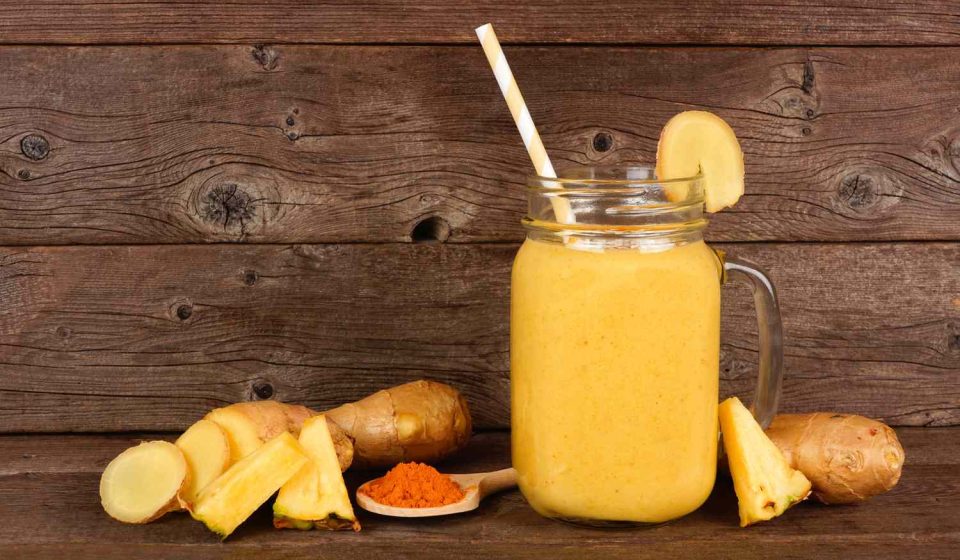
Turmeric is considered a notable spice for its potential to reduce inflammation. There are easy ways to incorporate this spice into your diet, including sprinkling it on a piece of pineapple, which also has anti-inflammatory properties. While this combination can make a powerful snack, there is little evidence on the benefits of combining the two.
What the science says
Turmeric is considered an anti-inflammatory spice due to its natural compounds, including curcumin. Research has shown that curcumin can reduce joint inflammation and relieve pain, especially in people with osteoarthritis and rheumatoid arthritis. But curcumin, which is often taken as a supplement, has low bioavailability, so the body often uses only a small fraction of it.
“Curcumin is often limited by poor absorption in the body. When you have inflammation, whether it is acute or chronic and how long it lasts will determine how much curcumin you should take,” says Julia Zumpano, RD, a registered dietitian at the Cleveland Clinic. “But it’s very important to eat anti-inflammatory foods daily so you can continue to suppress inflammation.”
Meanwhile, pineapple contains bromelain, an enzyme that could help reduce inflammation. The bioactive substance may stimulate circulation to injury sites, which could reduce pain and help manage symptoms of osteoarthritis, neuropathy (nerve pain), and sports injuries.
In a 2020 article, researchers suggested that the combination of curcumin and bromelain could help reduce inflammation associated with severe COVID-19. However, they haven’t tested the combination in humans, so the article doesn’t prove that taking these supplements or eating turmeric with pineapple provides these benefits.
Currently, no clinical trials have specifically examined the combined effects of pineapple and turmeric. There is also no set amount of turmeric to sprinkle on pineapple to enhance the benefits of both.
“Some research suggests that bromelain may improve the absorption of other compounds that may reduce inflammation,” Zumpano said. “But most of the evidence supports each anti-inflammatory effect individually. We don’t think there’s any harm in combining turmeric and pineapple. And you get the cumulative effect of both of their mechanisms to reduce inflammation.”
Research on pineapple and inflammation is limited
A small 2021 study in the Journal of Sports Sciences and Nutrition found that 30 athletes who drank 200 ml of a mixture of beetroot, pineapple and turmeric twice a day for 10 days reported less muscle pain than those who drank water.
In a 2021 animal study published in Nutrition and metabolismRats that ate pineapple powder alongside a high-cholesterol diet for 8 weeks had lower inflammatory markers than rats that ate a high-cholesterol diet alone. Still, more human research on pineapple is needed.
“Sprinkle as much turmeric as you like on your pineapple. It’s a great flavor combination but not a proven anti-inflammatory,” Deborah Olarte, PhD, RDN, assistant professor of nutrition at New York University, told Verywell in an email.
“Research on bromelain supplements is mostly limited and the results are mixed,” she added. “That being said, I would definitely consider pineapple a regular fruit because it’s a great source of vitamin C.”
How to combine turmeric and pineapple in your meals
If you choose to include turmeric in your diet, Olarte recommends using a form, whether root or powder, that you can cook with. Cooking turmeric with healthy fats, like olive oil, can also help improve curcumin absorption and boost its anti-inflammatory effects. A 2019 study in Power and function also found that with dried turmeric, the curcumin particles were distributed more evenly, making them easier to dissolve and absorb.
When cooking pineapple, the heat can deactivate the bromelain and the enzymes can be lost, Olarte said. She noted that it’s best to choose fresh or frozen pineapples to preserve the bromelain.
“Pineapple-turmeric salsa sounds good, or a turmeric-spiced lentil dish with pineapple as part of a diet rich in vegetables, whole grains, legumes and healthy fats,” Olarte said. “Turmeric adds color and a warm flavor that makes fruits and beans more appealing.”
If you are allergic to pineapple or turmeric, you may want to consider other anti-inflammatory foods. Zumpano suggested eating 30 plant foods per day, which could be 7 to 9 servings of fruits and vegetables. This can include nuts, seeds, whole grains, vegetables and fresh herbs.
Gn Health