Skip to content
-
Subscribe to our newsletter & never miss our best posts. Subscribe Now!
Today's News. Tomorrow's Perspective. Today's News. Tomorrow's Perspective.

Deliver fast, factual, and easy-to-understand news covering global events, technology, business, science, AI, health, entertainment, and lifestyle.

Today's News. Tomorrow's Perspective. Today's News. Tomorrow's Perspective.

Deliver fast, factual, and easy-to-understand news covering global events, technology, business, science, AI, health, entertainment, and lifestyle.

  • Home
  • Breaking News
  • Business
  • Sports
  • Health
  • Politics
  • Technology & AI
  • World
  • Home
  • Breaking News
  • Business
  • Sports
  • Health
  • Politics
  • Technology & AI
  • World
Close

Search

  • https://www.facebook.com/
  • https://twitter.com/
  • https://t.me/
  • https://www.instagram.com/
  • https://youtube.com/
Subscribe
Case of mysterious medieval skeleton buried in Roman-era sarcophagus at Westminster Abbey finally solved
World

Case of mysterious medieval skeleton buried in Roman-era sarcophagus at Westminster Abbey finally solved

By adminvoxa
October 21, 2026 4 Min Read
Comments Off on Case of mysterious medieval skeleton buried in Roman-era sarcophagus at Westminster Abbey finally solved


Follow us

Add us as a favorite source on Google


Subscribe to our newsletter


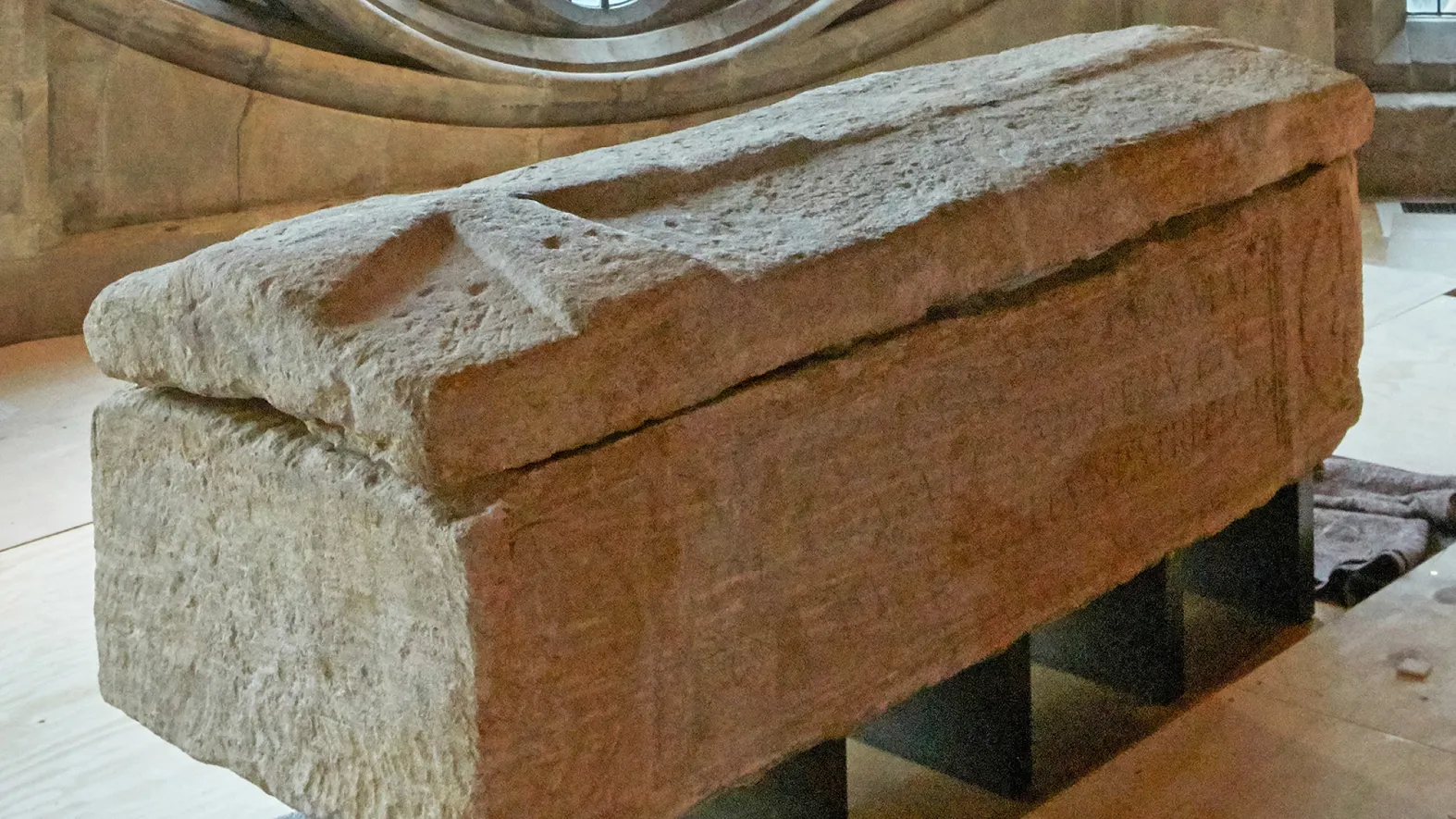
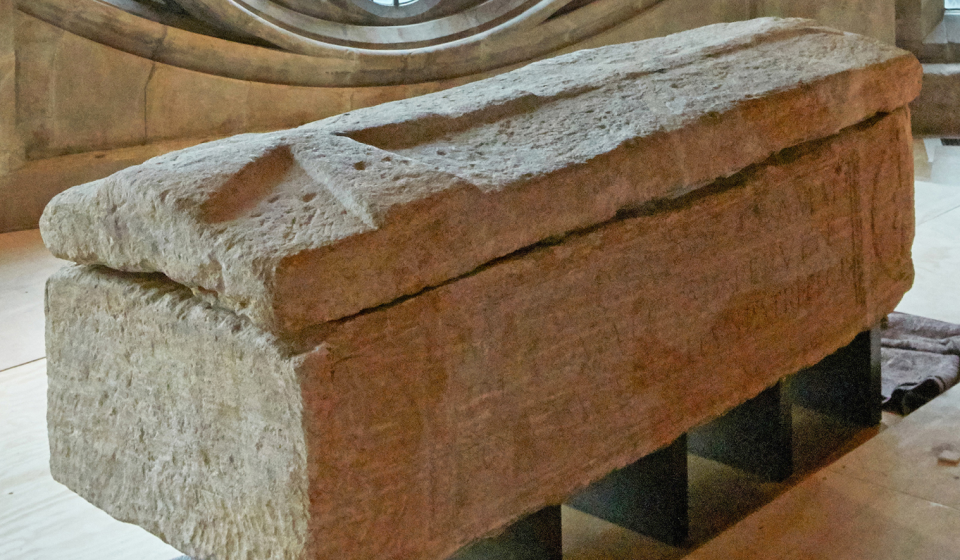
In the late 1800s, the clergy of Westminster Abbey stumbled upon a mysterious sarcophagus. The lid was decorated with an 11th-century Anglo-Saxon cross, but the base bore a 4th-century Roman funerary inscription. For almost 150 years, the tomb has baffled experts, but the abbey’s consulting archaeologist may have finally discovered who was buried there, according to a new study.

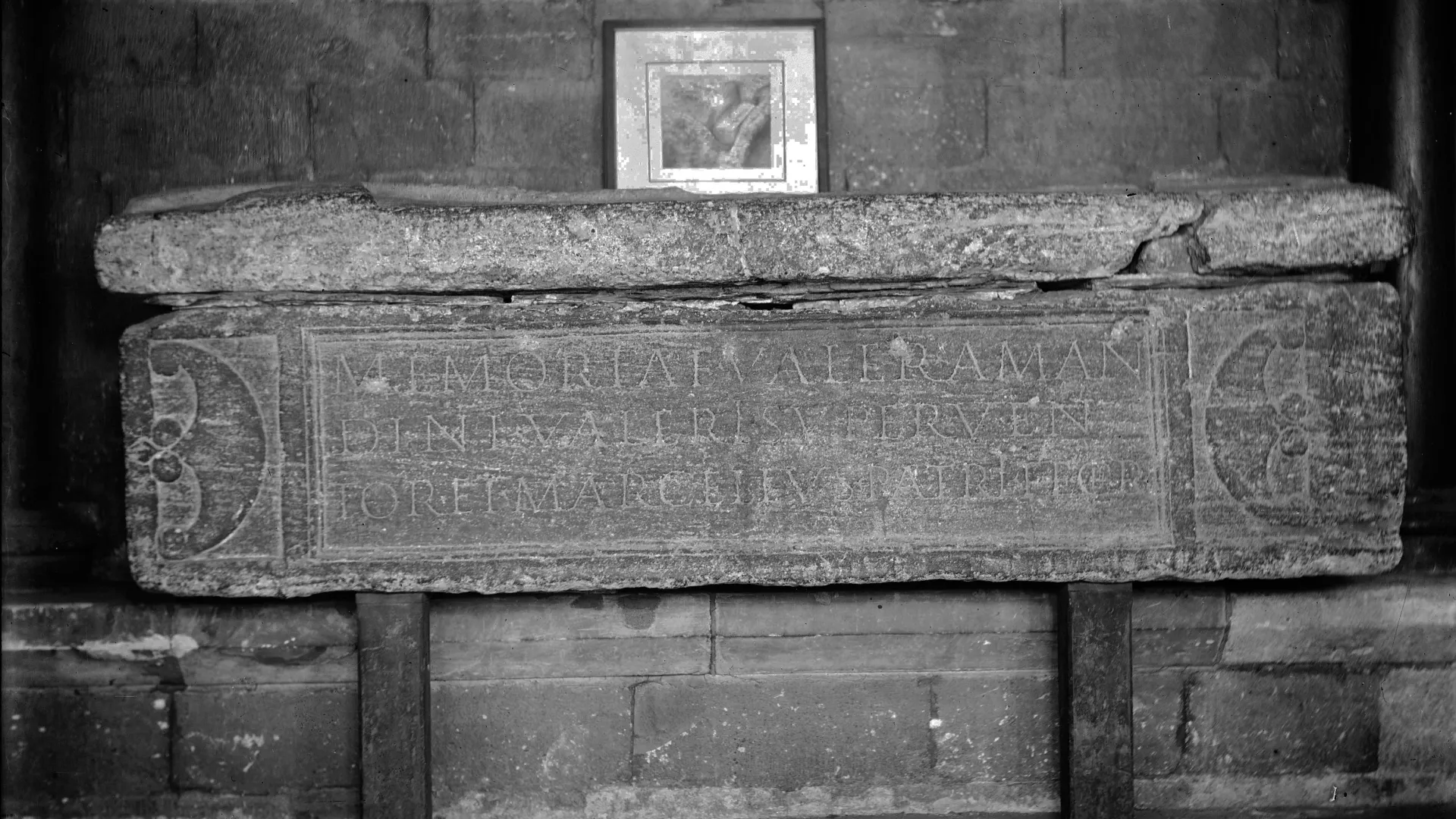
Westminster’s chief mason dug up the stone sarcophagus in 1869, but when experts investigated they discovered the grave had been looted earlier this century. Experts also noted that the carved decoration on the side of the sarcophagus was stylistically Romanwith a Latin inscription which can be translated as “In memory of Valerius Amandinus. Valerius Superventor and Marcellus did this for their father.” But a huge medieval cross had been carved into the lid of the sarcophagus, suggesting the tomb had been reused to bury an important religious figure hundreds of years later.

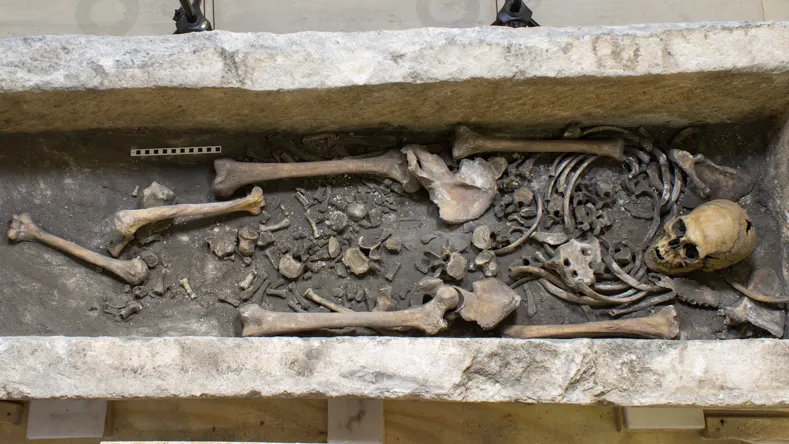
The mystery of the medieval individual buried in a Roman sarcophagus remained unsolved for 150 years because no one thought there were any bones left inside. But when the stone coffin was opened for preservation in 2016 and a complete skeleton was discovered, clues to the identity of the deceased were finally revealed, Warwick Rodwellthe consultant archaeologist at Westminster Abbey, wrote in a study published Wednesday October 21 in the Journal of the British Archaeological Association.

Latest videos fromLive Science

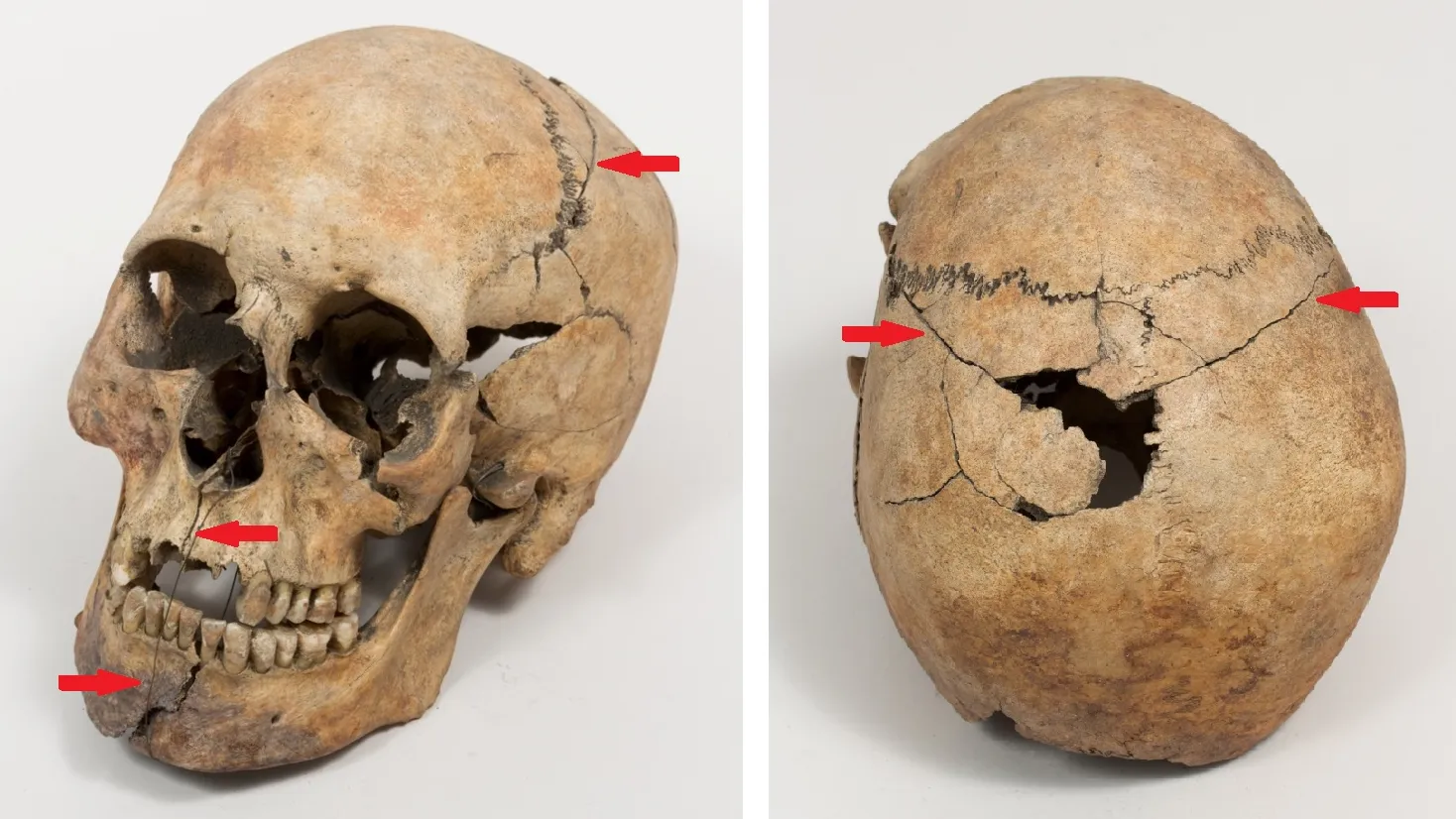
Although the skeleton had been disturbed over the years, with a hole accidentally made in the skull and bones of the arms and legs mixed together, it was clear that it was a male, middle-aged and of average height, bioarchaeologist James Langthorne of pre-built archeology wrote in a 2016 report. The man also showed signs of osteoarthritis, two healed rib injuries and gout. The bones have been carbon dated to 987 to 1052, confirming that the Roman-era sarcophagus was reused in the Middle Ages.

Image 1 of 5

a limestone sarcophagus whose lid was carved in the shape of a large cross

(Image credit: Westminster Dean and Chapter)

The Roman-era sarcophagus was remodeled in the Middle Ages to include a cross on top. It is on display at Westminster Abbey.

a black and white photograph of the side of a Roman sarcophagus showing an inscription

(Image credit: Westminster Dean and Chapter)

There is a Latin inscription on the side of the Roman era sarcophagus from Westminster Abbey.

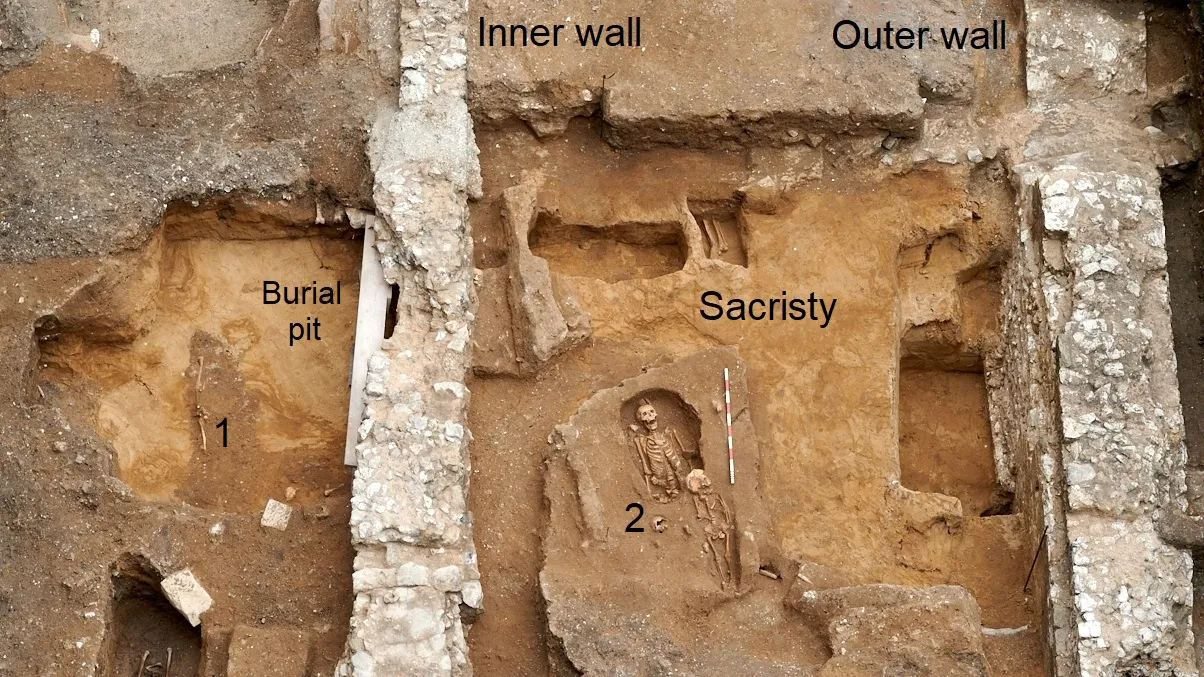
an aerial view of an excavation showing the walls and the burial pit where a Roman sarcophagus was placed

(Image credit: © Pre-Construct Archeology Ltd; (CC-BY-ND 4.0))

Archaeologists believe the sarcophagus was originally discovered in the burial pit near the sacristy.

a human skeleton entirely arranged in a sarcophagus but with several bones missing

(Image credit: © Pre-Construct Archeology Ltd; (CC-BY-ND 4.0))

A glimpse inside the sarcophagus, with the disorganized skeleton of a medieval abbot.

two views of a human skull showing postmortem damage and reconstruction

(Image credit: © Pre-Construct Archeology Ltd; (CC-BY-ND 4.0))

The abbot’s skull was damaged in the past and then reconstructed using wire and glue before being returned to the sarcophagus.

“This brings us to the last important question: Who was he?” Rodwell wrote in the study. Despite the absence of grave goods, which may have been stolen in the early 19th century, “he was almost certainly an abbot” who was buried with dignity in a stone sarcophagus with a large cross, Rodwell wrote.

You might like

Based on the birth and death dates of the abbots of Westminster and their tenure as clergy, Rodwell narrowed down the candidates to Wulfsige (abbot from 988 to 993), Ælfwig (abbot from 993 to 1020) and Wulfnoth (abbot from 1020 to 1049). Given that Wulfsige left Westminster to become bishop elsewhere, he was probably not buried in the abbey.

“Therefore, we have two viable contenders for the occupant of the sarcophagus,” Rodwell wrote. “The fact that Ælfwig was already a monk of Westminster might favor him.”

Get the world’s most fascinating discoveries delivered straight to your inbox.

Although Ælfwig’s final resting place may have been discovered after a millennium, some questions remain unanswered.

For example, it is unclear why an 11th-century abbot was buried in a recycled 4th-century Roman sarcophagus. The reuse of Roman coffins is extremely unusual, Rodwell noted in the study, and nothing comparable to this sarcophagus has ever been found. An explanation for this reuse could rely on the Latin inscription, the first word of which – “memoriae” (to memory) – suggests that Valerius Amandinus was himself an early Christian. This Roman may have been an important figure in Roman London, Rodwell wrote, but “unfortunately nothing is known of his career”.

Experts also don’t know where the Roman sarcophagus came from. It was made from limestone sourced from Oxfordshire, a county in southern England. But perhaps the coffin was originally buried in a Roman mausoleum and was dug up and moved at some point, Rodwell noted. But as Rodwell pointed out in the study, “there could be a villa and its cemetery somewhere near Westminster Abbey, awaiting discovery.”

The sarcophagus is currently on display at Queen’s Diamond Jubilee Galleries at Westminster Abbey.


What do you know about the Empire’s conquest of the British Isles? Find out with our Quiz on Roman Britain!

Gn world

Post Views: 3
Author

adminvoxa

Follow Me
Other Articles
Ultrasound waves that shake deep brain structures may relieve delusions in schizophrenia, small trials show
Previous

Ultrasound waves that shake deep brain structures may relieve delusions in schizophrenia, small trials show

76ers spoil Knicks' night in LeBron James and Jaylen Brown's Philadelphia debuts
Next

76ers spoil Knicks’ night in LeBron James and Jaylen Brown’s Philadelphia debuts

Deliver fast, factual, and easy-to-understand news covering global events, technology, business, science, AI, health, entertainment, and lifestyle.
  • About Us
  • Accessibility Statement
  • Advertise With Us
  • AI Usage & Transparency Policy
  • Contact us
  • Cookie Policy
  • Corrections Policy
  • Meet Our Team
  • Privacy Policy
    • Disclaimer
    • DMCA & Copyright Policy
    • Editorial Policy
    • Ethics Policy
    • Fact-Checking Policy
  • Terms and Conditions
Copyright 2026 — Today's News. Tomorrow's Perspective.. All rights reserved.