
Updated October 1, 2026, 9:21 p.m. ET
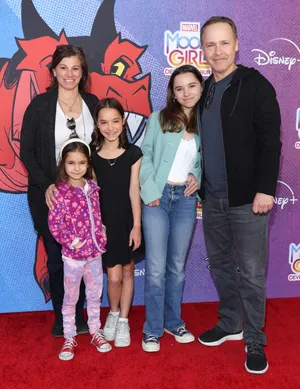
The cause of death of actor-director Chad Lowe’s daughter, Fiona Hepler Lowe, has been revealed.
The 13-year-old died at a hospital on September 29, according to an October 1 case update from the Los Angeles County Department of Medical Examiner. It was determined to be a suicide.
The case remains open.
Lowe and his wife, Kim Painter, announced their daughter’s death in a family statement to People on September 29.
“We are deeply heartbroken at the loss of our beloved Fiona,” the family wrote, adding that she was “a loving, intelligent, creative young girl who loved to dance.”
“She was adored by her sisters and deeply loved by her parents,” they continued. “In fact, she was the light of our lives. Her passing is devastating to our entire family and we ask for prayers and privacy at this time.”

Their message included information for the National Suicide & Crisis Helpline: “If you or someone you know is struggling with mental health issues, please contact the 988 Suicide & Crisis Lifeline by calling or texting 988.”
Lowe, 58, is an Emmy Award winner best known for his role as a teenager in the ABC comedy-drama “Life Goes On” and is the younger brother of Rob Lowe. He and Painter, 52, have been married since 2010 and welcomed Fiona in November 2012. The couple also share daughters Mabel, 17, and Nixie Barbara, 10.
How common is suicide among youth and adolescents?
Suicide is a leading cause of death among youth and adults in the United States, according to the CDC.
It is the second leading cause of death among youth ages 10 to 14 in the United States and the third leading cause among people ages 15 to 24, according to the National Alliance of Mental Illness.
Steps to help someone at risk of suicide
988 Suicide and Crisis Lifeline’s BeThe1To website offers five action steps for opening a line of communication with someone who may be having suicidal thoughts, including asking “Are you thinking about suicide?” » Listen to their response, then “Help them focus on what they live for.”
Being physically or emotionally present for the person over the phone and helping them connect with a support system, including the 988 Lifeline and community resources, are additional steps. Following up to make sure they are getting the support they need or if there are other ways to help is another essential act that can reduce the risk of suicide.
According to the National Alliance of Mental Health, factors associated with increased risk of suicide include:
- Previous suicide attempts
- Family history of suicide
- History of mental health problems such as severe depression, anxiety disorders and psychotic disorders
- Substance abuse
- Impulsivity or aggressiveness
- Serious family problems
- Breakups or other major relationship losses
- Access to means of self-harm (unsecured firearms, prescription drugs, poisons)
- Social isolation
- History of traumatic experiences such as sexual violence or serious episodes of racial prejudice/violence, bullying
- Lack of access to mental health care
- Multiple exposures to suicide in one’s community or through dangerous media coverage of suicide
Contributor: Anthony Robledo
If you or someone you know is struggling with suicidal thoughts, you can call 988 any time of the day or night, or chat online via the 988 Suicide & Crisis lifeline. Crisis Text Line also provides free, 24/7 text support to people in crisis when they call 741741.
Gn headline