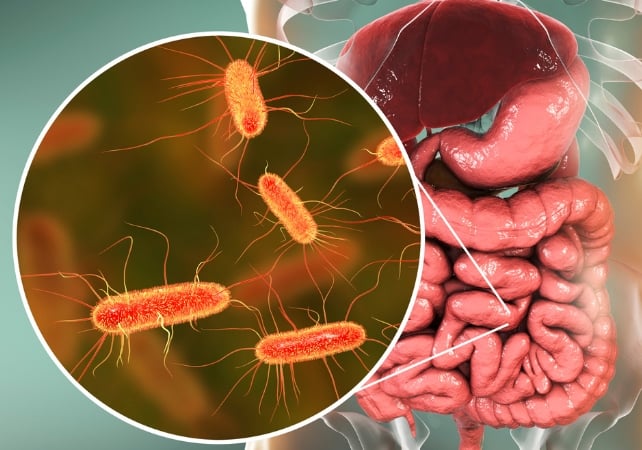
Cheap daily supplements are changing the way scientists think about the gut and its connection to the brain.
In 2024, a rigorous twin study published in Natural communications found that taking daily protein supplements and prebiotics can improve memory test scores in people over 60.
The study has been cited more than 100 times since, and the idea has inspired brand new clinical trials examining how certain supplements may protect against dementia.
Later that year, scientists at Wageningen University in the Netherlands launched the PRECODE clinical trial, which stands for Gut and Brain Health Effects of PREbiotics in Older Adults with Suspected Cognitive Decline.
This is the first human study to investigate the combined cognitive and microbial effects of three distinct dietary fibers: chicory inulin, resistant dextrin, and algal polysaccharide, compared to a placebo (maltodextrin).
For 26 weeks, participants over the age of 60 consumed these dietary fibers twice a day, mixed with water, tea or coffee, and underwent regular brain scans and cognitive tests to monitor their condition.
We will know more in 2027, when the trial ends.
Inulin, a dietary fiber from the fructan class, is the same dietary supplement that was found to be so good for the brain in this first twin study from 2024.
Watch the video below for a summary of the 2024 study:
In this double-blind trial, researchers tested two inexpensive plant fiber-based prebiotics, available over-the-counter in many countries.
The other, fructooligosaccharide (FOS), is a plant-based carbohydrate often used as a low-calorie natural sweetener.
To study how these supplements affect brain aging, researchers at King’s College London recruited 36 pairs of twins, all aged at least 60 years old.
Each pair was randomly assigned: one twin received a daily prebiotic mixed with protein powder, while the other received a placebo powder.
Twins who unknowingly took inulin or FOS generally performed better on the cognitive test three months later.
Additionally, daily fiber supplements were linked to subtle changes in the gut microbiome between twins.
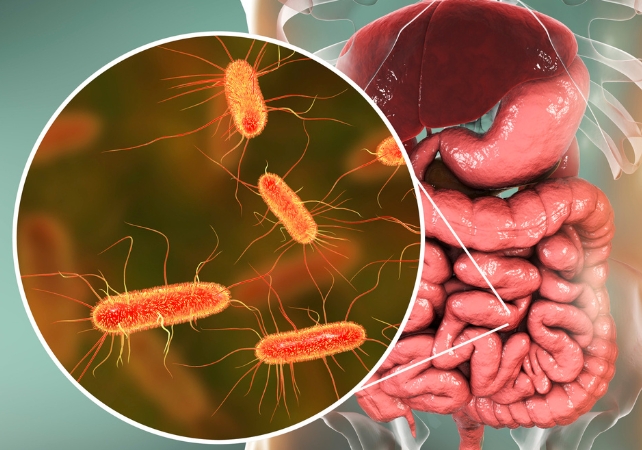
The beneficial Bifidobacteriumfor example, was more abundant in those taking inulin or FOS.
Studies in mice suggest that Bifidobacterium reduces cognitive deficits by regulating gut-brain connections.
“We are delighted to see these changes in just 12 weeks. This shows great promise for improving brain health and memory in our aging population,” said Mary Ni Lochlainn, a geriatric medicine researcher at King’s College London, when the results were published in 2024.
“Uncovering the secrets of the gut-brain axis could offer new approaches to living healthier and longer.”
King’s College London (KCL) is home to the UK’s largest adult twin registry, and twin studies are very useful when it comes to differentiating the effects of genetics and environment on human health.
Previous studies in rodents suggest that high-fiber supplements, such as inulin and FOS, can “feed” the colon microbiome, allowing “good” bacteria to thrive.
Some of these bacterial players are also associated with improved cognitive functions in mice and humans.
Evidence of the close relationship between the gut and the brain is growing every year.
Some experts are now so convinced by the results that they call the intestine the body’s “second brain”.
But how these two nervous systems work together remains a mystery.
 ))>
The dual study at KCL suggests that eating certain “brain foods” could be a promising way to treat cognitive decline, adding to research suggesting key nutrients could slow its progression.
“These plant fibers, which are cheap and available over the counter, could benefit a wide group of people in these cash-strapped times. They are also safe and acceptable,” said geriatrician Claire Steves of KCL.
“Our next task is to see whether these effects hold up over longer periods of time and across larger groups of people.”
This is what the PRECODE trial seeks to address.
Trial investigators hope that this ongoing study of fiber supplements “will provide an in-depth assessment of the microbiota-gut-brain axis in older adults, at risk for cognitive decline.”
Related: Common Vitamin May Reduce Toxic Alzheimer’s Proteins, Research Suggests
In 2025, researchers reported that in humans and mice, a Bifidobacterium-has-Akkermansie The ratio in the gut microbiome is linked to multiple sclerosis, and this imbalance was also associated with more severe disease.
However, it is not known whether these deficiencies can be corrected with supplements.
The gut is involved in many bodily “cakes,” including the immune system and central nervous system.
Nourishing your microbiome with certain prebiotics and probiotics could open the door to treating a plethora of diseases and conditions.
The PRECODE trial could give us a first taste of this possibility.
The twin study was published in Natural communications.
This article was fact-checked by Rebecca Dyer and edited by Rebecca Dyer. Although we are proud of our process, we are only human. If you spot an error, please let us know.
Gn Health