College athletes earned $1.77 billion from schools in 2025-26, and over $500 million more in NIL contracts

The first year of revenue sharing in college sports resulted in massive payouts for athletes.
According to Ralph D. Russo of The Athletic, the NCAA and the College Athletic Commission announced Thursday that athletes are receiving more than $1.77 billion in revenue sharing payments.
This number does not take into account NIL agreements with third parties, and the CSC reported that 46,478 agreements have been approved since last June, totaling more than $582 million. All third-party transactions worth more than $600 must be reported to the SCC via the NIL Go online platform.
According to Russo, schools also reported more than $42 million in Alston academic benefits as well as $163 million in “new and additional scholarship expenses.” Of the 319 Division I schools that have opted for revenue sharing, 307 schools across 33 conferences reported making payments to 34,915 athletes in 45 sports.
Although the CSC data does not specify how the money was spent, the majority went to football and basketball players.
Last June, the schools were approved through the Home vs. NCAA agreement to pay athletes directly via revenue sharing, starting with the 2025-2026 season. Schools were capped at $20.5 million in direct payments, but could use that money in any manner approved by administrators.
Additionally, the settlement approved a total of $2.8 billion in compensation over a 10-year period for former NCAA athletes who were unable to receive compensation for NIL.
Earlier this week, the Senate passed the “Protect College Sports Act” that would double the revenue sharing cap to approximately $48 million per year. The bill, however, still needs to be passed by the House of Representatives.
Obviously, not all programs spend as much as others.
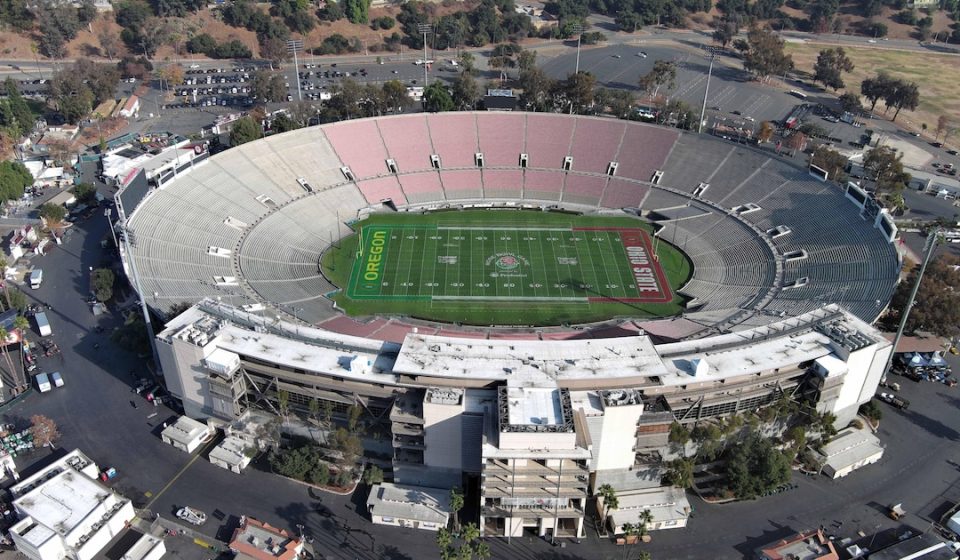
According to Bruce Feldman of The Athletic, Ohio State football leads with the most expensive team with an estimated budget between $49 million and $54 million. Other top spending schools include Oregon, Texas, LSU and Texas A&M.
But it’s clear from the start of the season that spending big doesn’t always lead to success. Ohio State, Oregon and LSU have already lost, while Texas A&M has lost two games.
Gn sports