But there is still much we do not know about the extent of His goodness.
Vitamin D offers many benefits, with studies showing it plays an important role in several facets of our health, from boosting our immunity to fighting harmful diseases.
As long as we don’t have too much of it, vitamin D is an essential part of a healthy body.
In recent years, numerous studies have demonstrated that low levels of vitamin D in older adults are associated with an increased risk of cognitive impairment and clinical dementia.
What remains unclear, however, is whether vitamin D levels might protect the brain in midlife, and whether middle-aged adults with healthy vitamin D levels might have a better chance of avoiding diseases like Alzheimer’s as they age.
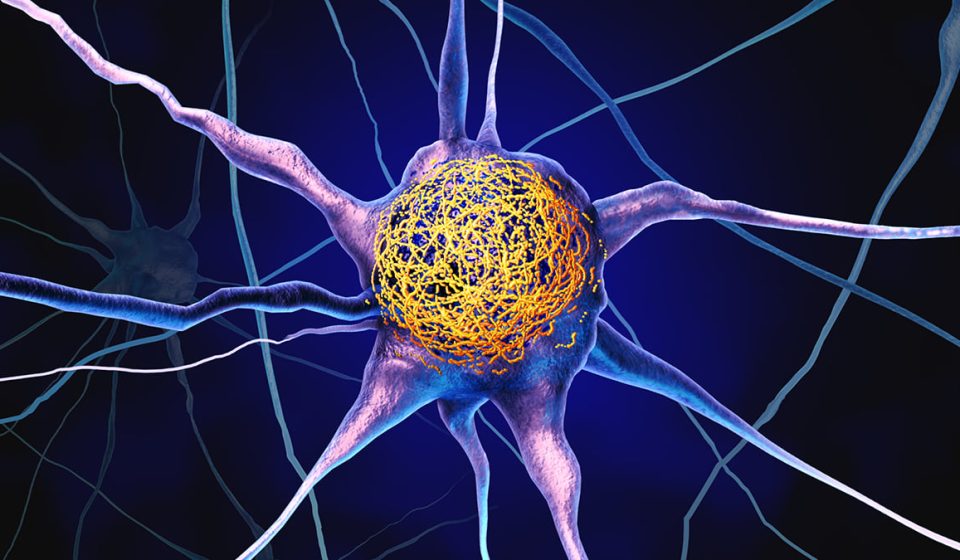
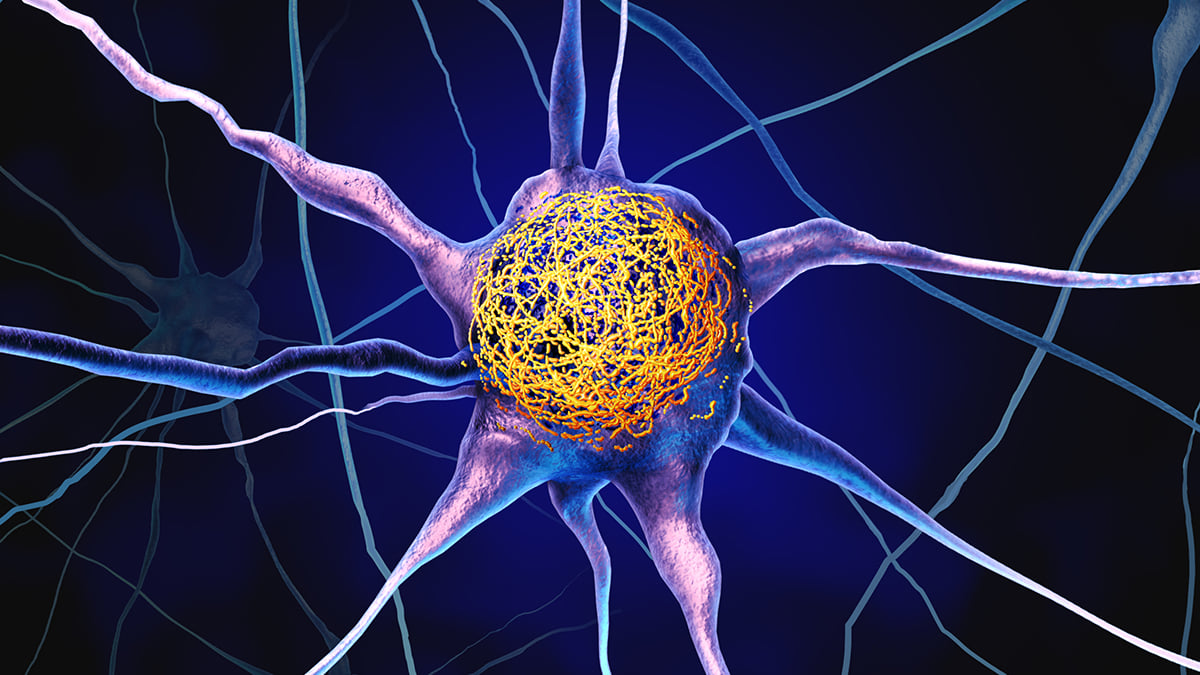
In a study published in Neurology Open access This year, we got an answer: Researchers found that healthy levels of vitamin D in midlife are linked to reduced levels of toxic deposits of tau protein — a known biomarker of Alzheimer’s disease — as people age.
Watch the video below for a summary:
“Vitamin D in midlife could be an important factor in protecting future brain health,” says neurologist and lead author Emer McGrath of the University of Galway in Ireland.
“While previous research has linked low vitamin D levels in adults over 70 to an increased risk of dementia, this study is among the first to look at young, middle-aged adults, around age 39.”
In the study, researchers analyzed a segment of participants from the US-based Framingham Heart Study, examining a sample of 793 men and women, none of whom had dementia.
When the participants were on average 39 years old, their vitamin D levels were analyzed from a blood test.
About 16 years later, about 430 members of the same group participated in brain positron emission tomography (PET) scans, evaluating them for signs of tau or beta-amyloid, protein clumps long implicated in Alzheimer’s disease.
Although no correlation was found for amyloid beta in the Framingham cohort, the analysis showed that participants with higher vitamin D levels at the start of the experiment tended to have lower tau deposits over the 16-year follow-up – a finding the researchers claim is a first.
“To our knowledge, no previous study has evaluated an association between serum vitamin D and neuroimaging markers of preclinical dementia,” the authors write in their article.
“Our study notably included individuals in their early 40s, when there is a greater opportunity for risk modification.”
Due to the observational nature of the study, we cannot say with certainty that higher levels of vitamin D in middle age somehow reduced the formation of harmful tau proteins.
But the results suggest that it’s certainly a possibility – and it’s something that researchers could test in future experiments.
“Although these results are very interesting, they only demonstrate an association between vitamin D and early signs of dementia in the brain,” says McGrath.
“Additional studies, such as a clinical trial, will be needed to determine whether vitamin D supplements could prevent dementia.”
Related: Scientists Found a Genius Way to Boost Your Brain’s Nighttime Cleaning System
Previous research investigating the effects of vitamin D supplementation on tau levels found no effects based on a 1-year nutritional intervention.
But it’s worth noting that the French trial involved adults aged 70 or older with self-reported memory problems.
It’s possible, McGrath and colleagues think, that the same type of intervention could have a protective effect on much younger people in their 40s, before harmful tau pathology or Alzheimer’s symptoms have had a chance to appear.
“Supplementation with higher doses of vitamin D and/or over longer periods in younger, cognitively healthy individuals may be beneficial, as the window of opportunity for disease modification is greater,” the team explains.
“However, this will require formal testing in clinical trials.”
The results are reported in Open access neurology.
This article was fact-checked by Rebecca Dyer and edited by Rebecca Dyer. Although we are proud of our process, we are only human. If you spot an error, please let us know.
Gn Health