CVS Health said employers and other health plan sponsors could break even on GLP-1 drugs if they cost less than $350 per month because reduced use of medical services, such as hospitalizations and emergency room visits, would reduce spending enough to offset drug costs.
CVS said an analysis of its Aetna insurance claims data found that among patients with obesity, diabetes or other conditions, current prices for GLP-1 drugs increase spending because they are too high to be impacted by lower medical costs.
The analysis looked at patients who were recently taking popular GLP-1 drugs – which mimic the GLP-1 hormone and reduce appetite – from Eli Lilly and Novo Nordisk, and compared them to similar patients who were not taking these drugs.

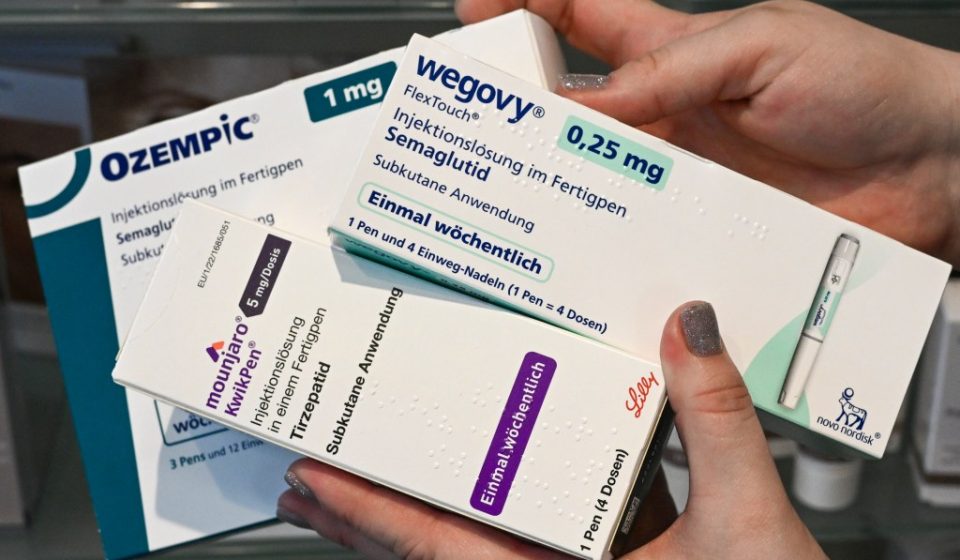
The drugs included Mounjaro and Ozempic for diabetes and Zepbound and Wegovy for obesity. The analysis looked at periods of up to three years, with patients starting the drugs between 2023 and 2025.
The analysis did not break down the numbers just for obese patients.
Coverage for GLP-1 obesity drugs is declining as companies and other health plan sponsors try to reduce premiums that are expected to rise more than 9% in 2027. About 14% of companies have already dropped or plan to drop the drugs in 2027.
Zepbound and Wegovy can cost around $299 and $349 for customers paying with cash. Employers and other health plan sponsors pay between $617 and $766 per month for drugs, according to a 2025 study by the Employee Benefit Research Institute. CVS declined to comment on average prices paid.
Dr. Amy Compton-Phillips, CVS Health’s chief medical officer, said prices charged directly by drugmakers suggest they can still profit by charging less than $350 a month, while helping to lower overall health care costs. The United States pays more for health care than any other country.
“I hope we can reach that price as soon as possible,” she said in an interview before the HLTH USA conference in Las Vegas, where CVS will present the results on Sunday.

The U.S. government struck a deal with Lilly and Novo last year to pay $245 a month for injectable GLP-1 weight-loss drugs as part of an 18-month pilot testing their cost-effectiveness for Medicare beneficiaries aged 65 and older or disabled.
CVS said the use of GLP-1 for obesity, diabetes or other conditions was associated with a 10 to 12 percent decrease in emergency room visits during the first and second years of use. It examined the files of 60,000 people in the first year and 20,000 people in the second year.
An analysis of records of 4,000 people still taking the drug after three years showed a decrease in hospitalizations of 34 to 42 percent, according to the report.
Looking at expenses and savings over those three years, plan sponsors saved $9,400 per person in medical costs, but spent $13,300 more on prescriptions, which added costs of $3,900 per person.
The company, which also operates pharmacy benefit manager Caremark and a network of retail pharmacies it plans to create, said the price at which GLP-1s start saving money depends on the patient’s health or illness.
“An older person with diabetes will have a higher risk of hospitalization than a younger, obese person without diabetes,” Compton-Phillips said. “The higher risk the person is, the quicker you get a return on your investment.” »
Gn bussni