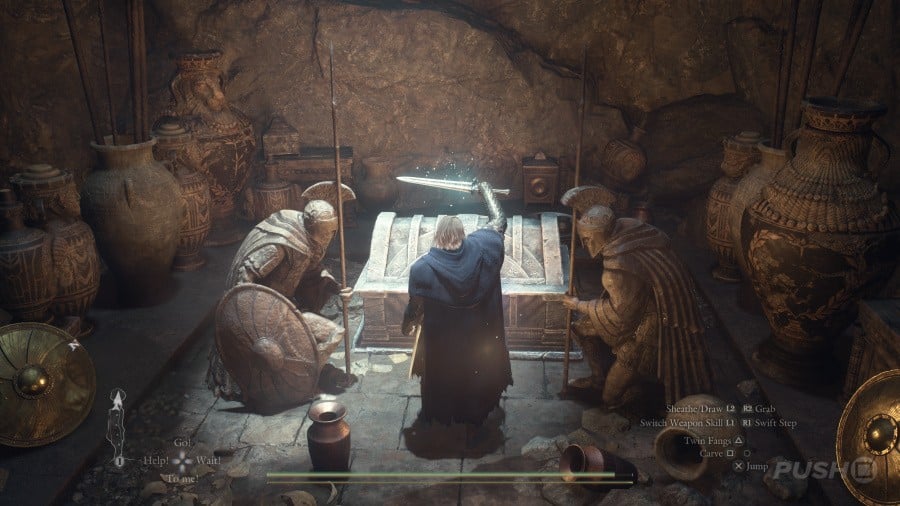

Fans celebrated when Kento Kinoshita was revealed to be the director of Dragon’s Dogma 2: Dark Arisen – and that’s because he had already transformed the original Dragon Dogma through the introduction of a similar DLC release.
There’s no doubt about it: Kinoshita completely understands what makes Capcom’s RPG great, and that knowledge has resulted in an excellent expansion, more than two years after the base game’s release.
Just like the first Dark Arisen, the new Dark Arisen revitalizes the entire experience. It’s both an addition to the existing campaign and an adventure that stands out on its own terms.
In fact, it is a big DLC – much larger and more in-depth than I expected. It took me around 50 hours to get through its main story and numerous side quests, before being greeted by a complete endgame.
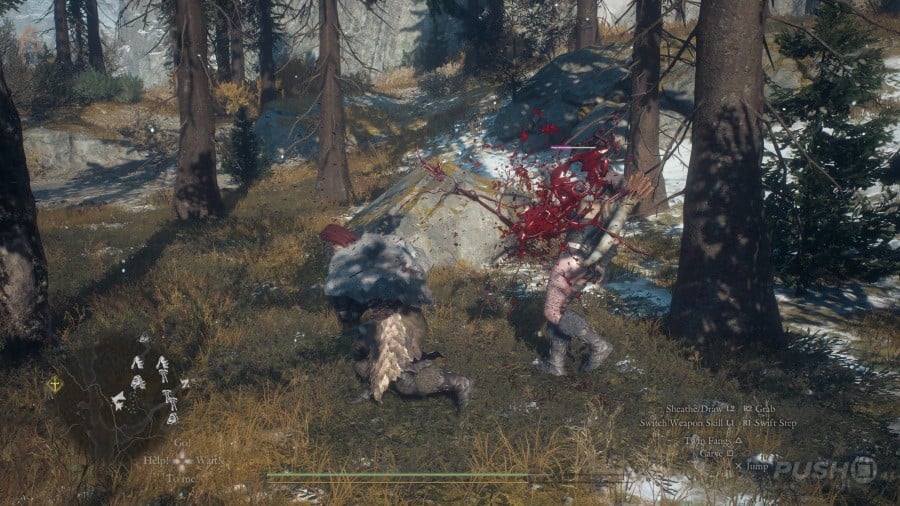
In some ways, Dark Arisen feels like a sequel of sorts rather than just an add-on. You don’t need to have beaten Dragon’s Dogma 2 to access it, but I highly recommend it, as the expansion is worth setting aside as an excursion in its own right.
This takes place in a whole new region to the north; another surprisingly large and incredibly dense open world map – and it’s this density that makes it a joy to explore, in all its wintry glory.
Capcom does some really cool (no pun intended) environmental design here. Your journey begins on grassy plains, but as you venture deeper into Norgan, you are greeted by icy mountain passes and blizzard-battered snowfields.
Freezing temperatures and blinding weather effects play a role, as you’ll need to don thermal armor and use items like Heatstones to ward off the cold that saps your stamina.
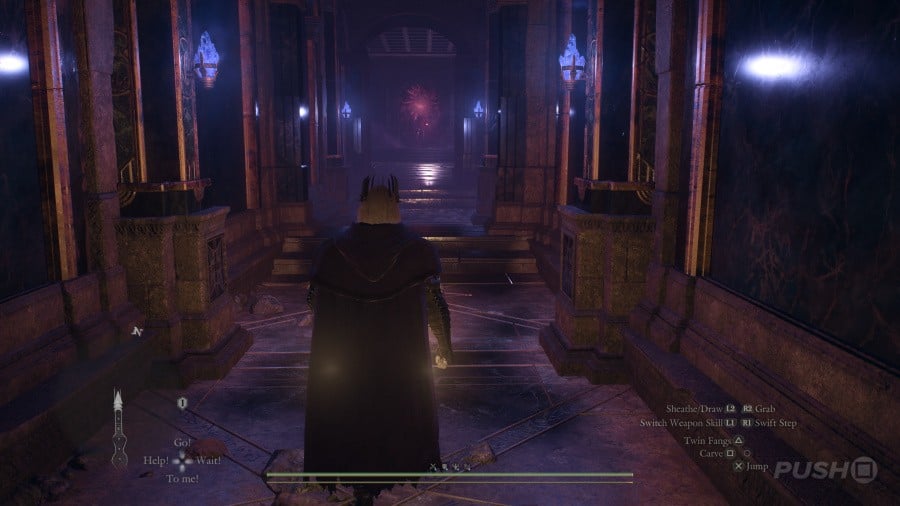
It’s not like it’s a really hardcore survival mechanic that you need to be aware of at all times, but it does add just enough tension to your end-game escapades, reinforcing the sense of adventure that is so crucial to Dragon’s Dogma’s identity.
And I think that’s what Dark Arisen does. Where its predecessor presented you with a seemingly endless dungeon crawl across the haunted island of Bitterblack, this second incarnation is structured like an expedition, where exploration is paramount.
As the story progresses, you establish increasingly northern base camps alongside an endearing cast of supporting characters.
Yes, the DLC actually has some decent characters, mainly because they reappear in the main story quests, and so they’re given enough time to establish some semblance of personality – a trait that was sorely lacking in the base game.
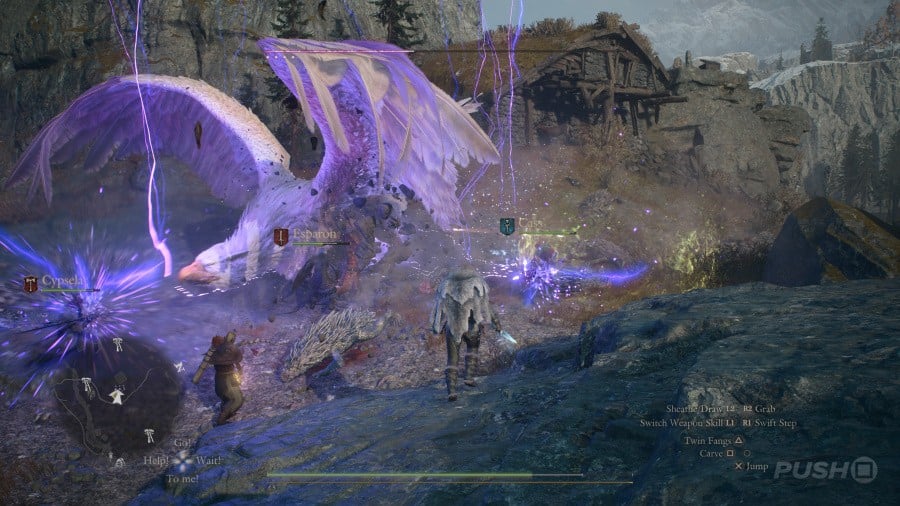
The overall story is also quite strong; it’s structured like a true epic, as you unravel the mysteries of Norgan and the horrors that befell its now-collapsed civilization. Fantastic main quests are on offer here, filled with memorable fights spread across eye-catching locations.
Overall, the plot seems much more coherent than what you’ll find in the main version. There is a much better understanding of the narrative rhythm, and everything evolves quite well.
And when the story isn’t pulling you in, the loot almost certainly is. Dark Arisen’s loot system is random; you collect “loots” either through exploration or combat, then have them assessed at the DLC’s central hub – a cozy settlement in the south.
Increasingly rare levels of items and equipment are unlocked as the main quest continues, and so entering a new, more dangerous region of the map comes with the excitement of stumbling upon new equipment.
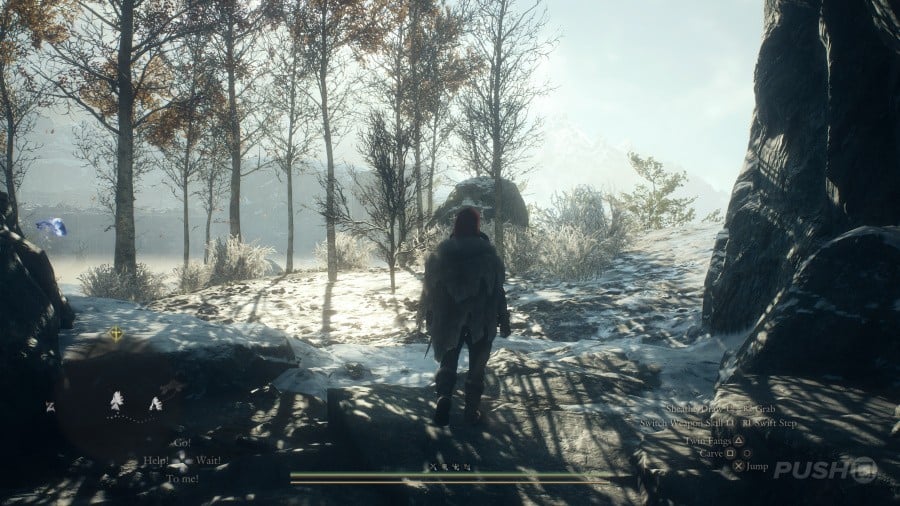
The gameplay loop becomes devilishly addictive very quickly. It’s like Diablo, but instead of farming the same enemies and locations for a specific drop, you go on a real adventure and are actively rewarded for both your curiosity and your combat prowess.
Speaking of combat, Dark Arisen introduces a number of new enemy types alongside essentially revamped opponents. There is still no enough as much variety as I’d like, but the DLC pretty much gets by on the strength of its boss encounters.
There’s no doubt that these are some of the best and most complex battles in the entire game, and I suspect that’s partly because the difficulty has been increased significantly.
The base stats of your Arisen and those of his main pawn don’t matter in Norgan. Enemies are monstrously tough, and so the only way to defeat them is to equip new weapons and armor, which almost immediately surpass those you’ll have acquired in the main game.
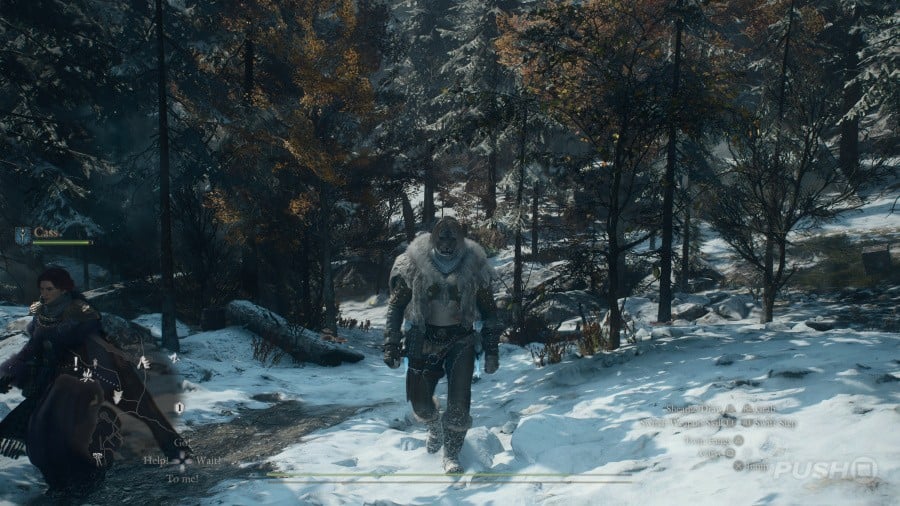
So there’s a whole new path to progression, and that’s exactly what most players have been asking for since Dragon’s Dogma 2 launched, after criticizing its possible lack of challenge.
On the vocation side, there are no new classes to master – but existing combat beliefs have been expanded, both through skill-modifying benefits from random gear and permanent unlocks gained from discovering “obelisks” in the open world.
This means there’s more depth than ever when it comes to creating characters and such. If you’re lucky enough to get your hands on the perfect gear for your playstyle, it can have a profound impact. The task never really ends, if you want it to.
So Norgan is pretty much the best in Dragon’s Dogma 2, but what about the Lost Rites? These new dungeons, scattered across the base game map, offer additional challenges and unique rewards.
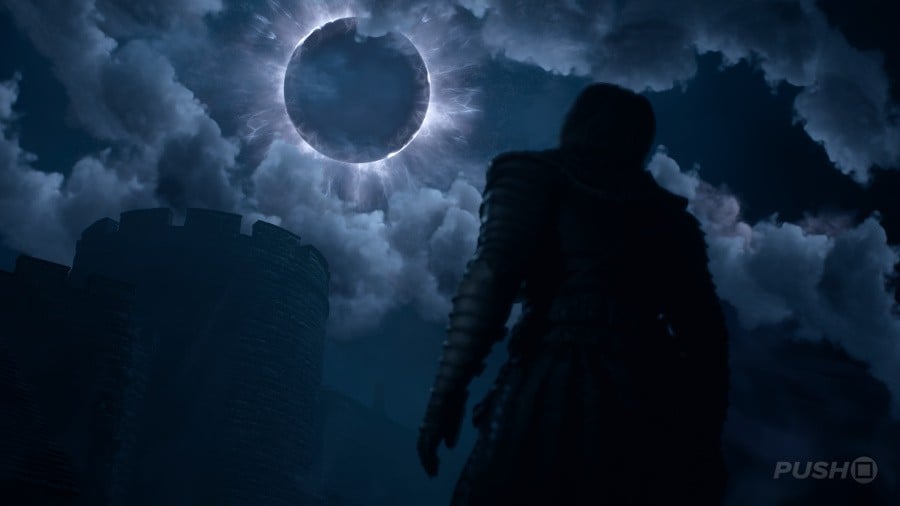
Some Lost Rites are labyrinthine; proper dungeon crawls that can take almost an hour. Others, however, are little more than a few rooms linked together by basic combat. In other words, they’re a bit random.
Still, they’re worth checking out: there’s some important lore to be discovered, and overcoming specific challenges can be a lot of fun, forcing you to experiment with party setups and even vocations.
Gn tech