
Eating a type of fruit linked to better heart health, study of 371,000 Americans finds: ScienceAlert

In the United States, the official health recommendation for fruit is two cups per day for a diet based on 2,000 daily calories – but an estimated 8 in 10 people don’t reach that level and consume less than half.
Earlier this year, these Dietary Guidelines for Americans (DGA) were updated to cover the period 2025 to 2030, and while the recommended amount of fruit hasn’t changed from the previous edition, there was a more subtle change: Americans were advised to prioritize whole fruits over fruit juices when possible.
A new study published in Current developments in nutrition confirms this change of advice. In an analysis of the dietary habits of 371,000 participants, researchers led by a team from the University of North Dakota found that the links between fruit consumption and cardiovascular disease (CVD) varied depending on how they were consumed.
Although there is a notable association between higher consumption of whole fruits and better cardiovascular health, the data reveal no clear, reliable trend when it comes to 100% fruit juice and the same cardiovascular diseases, the researchers found.
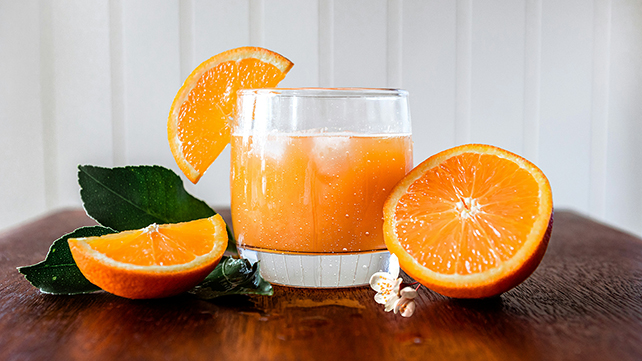
“The definition of what constitutes a serving of fruit varies across the world, and the inclusion or exclusion of juice is a key point of differentiation among global guidelines for fruit consumption,” the researchers write in their published paper.
“The aim of this study was to increase the epidemiological understanding of potential relationships between cardiovascular disease and frequency of fruit consumption by type.”
After adjusting for age, income, education and smoking status, researchers found that high blood pressure, high cholesterol, coronary heart disease and heart attacks were linked to eating fewer whole fruits.
For 100 percent fruit juice, the only statistically significant associations were between heart attacks and people drinking juice slightly more often, and between high cholesterol and drinking juice slightly less often.
There’s every reason to believe that whole fruit makes some difference, while fruit juice doesn’t make that much difference – although overall this study is just a snapshot in time and therefore can’t prove direct cause and effect.
“Juice may not provide the same cardioprotective benefits as whole fruits,” the researchers write. “However, additional research using longitudinal data and focusing on the cardioprotective nature of fruit versus juice is needed for confirmation.”
On average, fruit juices were consumed 0.3 times per day (or approximately once every three days), while whole fruits were consumed 1.06 times per day in the study group.
The study team has some ideas about the differences in the data, although none are confirmed at this time. First, eating whole fruit retains all the plant fiber removed by the juicing process, possibly slowing sugar and insulin spikes.
 ))>
))>Second, plant chemicals called polyphenols differ in whole fruits compared to fruit juices, and there is growing evidence that whole fruit versions are better for us.
“This study did not directly measure dietary fiber consumption or polyphenol content,” the researchers write. “The differences in dietary fiber between whole fruits and juices are based on existing knowledge that most fiber is removed during the fruit juice extraction process.”
The researchers point out that previous studies suggesting that fruit juices are beneficial for heart health should be taken into account. The hypothesis is certainly not that these juices are bad for your health, but that eating the fruit itself might be better.
A potential next step would be to extend this research over time, to see how consumption of whole fruits and fruit juices might influence cardiovascular health. In the meantime, the advice is still the same: eat more fruit.
“Additional research is needed to examine how cardiovascular disease status affects frequency of fruit consumption, identify potential mechanisms, and identify strategies to increase fruit consumption in the United States population,” the researchers write.
The research was published in Current developments in nutrition.
This article was fact-checked by Fiona MacDonald and edited by Fiona MacDonald. Although we are proud of our process, we are only human. If you spot an error, please let us know.
Gn Health