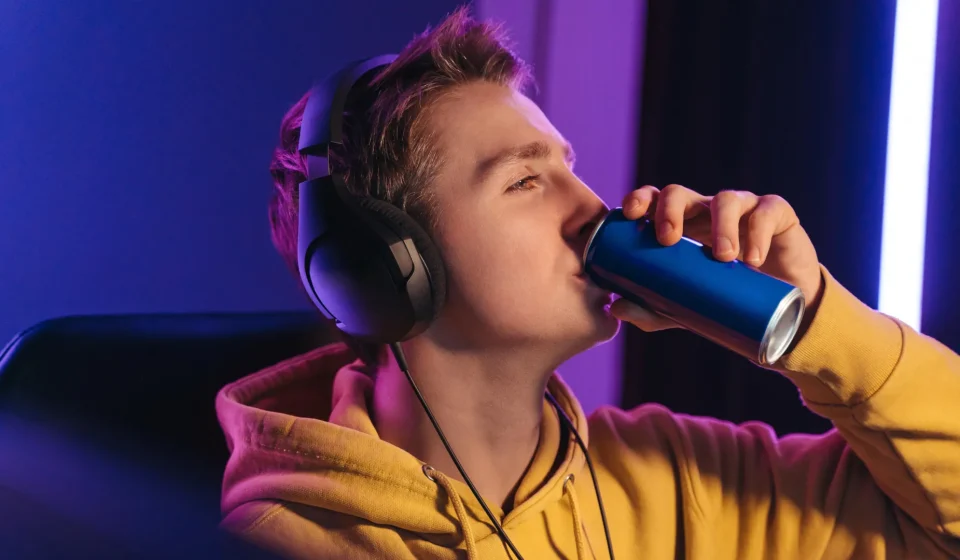
Energy drinks and stimulant supplements are sparking new concerns about heart health after researchers discovered a striking trend in reports of serious cardiovascular emergencies. Products containing caffeine and other stimulants appear much more frequently in reports of cardiac arrest, heart attacks and other heart problems than products not containing these ingredients.
The results were particularly concerning among young adults. People aged 18 to 34 accounted for a substantial share of reported heart problems linked to caffeinated products, according to independent preliminary research presented at the American Heart Association’s 2026 Scientific Sessions.
The researchers stressed that the results do not establish that energy drinks or stimulant supplements are the cause of these medical emergencies. However, the unusually high frequency of certain cardiovascular events in FDA safety reports suggests that these widely available products merit closer scrutiny.
Growing concerns about energy drinks and heart health
The energy drink industry has grown rapidly, with sales more than doubling over the past decade and surpassing $20 billion in 2024. Despite their popularity, scientists still have little information about the cardiovascular effects of energy drinks and supplements containing stimulants.
Existing evidence suggests that consuming large amounts of caffeine can harm the cardiovascular system. Medical professionals have also documented cases of arrhythmias (irregular heart rhythms) and sudden cardiac death following consumption of these products. Some of these incidents involved young adults who had no previously identified risk factors for heart disease.
A 2026 scientific statement from the American Heart Association on caffeine and cardiovascular disease states that most adults can generally consume up to 400 mg of caffeine per day without significant safety concerns (the equivalent of 5 8-ounce cups of regular black caffeinated coffee).
However, caffeine concentrations can differ significantly between products. Some energy drinks provide up to three times more caffeine per fluid ounce than brewed coffee, while some pre-workout supplements contain more than 12 times the concentration found in coffee.
Another concern is how these products are regulated. The U.S. Food and Drug Administration (FDA) classifies energy drinks and stimulant supplements as foods or dietary supplements rather than drugs. As a result, they are not subject to the same safety testing requirements that drugs must meet before being released to the market.
“These products are marketed as daily pick-me-ups and sold alongside soda and bottled water, so most people assume they carry no real risk,” said study author Sai Samayamanthula, a fourth-year medical student at the University of Virginia School of Medicine in Charlottesville, Virginia. “For many healthy people, if these products are consumed occasionally, the risk is probably low. However, people who regularly consume energy drinks or other supplements containing stimulants can quickly exceed the recommended daily limit of caffeine. So it is important that people know that there may be a risk of cardiovascular damage with these products.”
FDA reports reveal striking differences in cardiac events
To investigate possible cardiovascular safety concerns, researchers examined a federal database containing reports of suspected adverse reactions to foods and dietary supplements. They compared products containing caffeine and other stimulants with products that did not contain these ingredients.
The comparison group included commonly consumed products such as soft drinks, smoothies, vitamins, protein bars and meal replacements. Researchers looked at reports involving people aged 13 and older submitted between 2017 and 2025.
Several differences emerged from the analysis:
- Cardiac arrest: Reports involving caffeine and stimulant products were about 11 times more likely to mention cardiac arrest than reports involving products not containing these ingredients.
- Heart attacks: Heart attacks appeared about 4.5 times more frequently in reports associated with energy drinks and stimulant supplements.
- Abnormal heart rhythms: Reports involving stimulant products were about four times more likely to include ventricular arrhythmias (abnormal rhythm in the lower pumping chambers of the heart) or heart palpitations.
- Other cardiovascular symptoms: Researchers also identified higher reporting frequencies of rapid heart rate (nearly 3 times more often), chest pain (2.71 times more often), and fainting (about 2 times more often).
- Young adults: Approximately 45% of reports of cardiovascular events involving caffeine and stimulant products were among adults aged 18 to 34 years.
- Men and women: Comparable trends appeared in the reports submitted for both sexes.
These differences describe how often certain medical problems appeared in FDA reports. This does not mean that people who consume energy drinks have an actual 11 times higher risk of cardiac arrest or a 4.5 times higher risk of heart attack.
“Our findings argue for more systematic safety monitoring of products containing caffeine and stimulants. Additionally, health care professionals should consider asking their younger patients who have palpitations, chest pain, or fainting whether they recently or regularly consume these products,” Samayamanthula said.
Why young adults may be particularly vulnerable
One of the most notable findings was the high proportion of cardiovascular reports involving younger adults. Researchers have not yet determined why the link between stimulant products and reported heart problems appears so frequently in this age group.
Several explanations are possible. Younger consumers may consume energy drinks and stimulant supplements more often, increasing the likelihood that these products will appear in medical emergency reports.
How products are consumed could also influence trends. Potential contributing factors include the circumstances surrounding their consumption (e.g., consuming them before strenuous exercise or mixing them with alcohol or drugs). Some people may also have previously undiagnosed heart conditions, which could make them more vulnerable to cardiovascular complications.
These possibilities remain uncertain, and additional research will be needed to determine what factors, if any, contribute to explaining the unusually high frequency of reporting among young adults.
Do energy drinks actually cause heart attacks?
Although the findings raise important questions about products containing concentrated caffeine and other stimulants, experts caution against interpreting these findings as evidence of a direct cause.
“This study raises concerns that products containing very high amounts of caffeine may be harmful to the cardiovascular system,” said Gregory M. Marcus, MD, MAS, FAHA, chair of the American Heart Association’s 2026 Scientific Statement on Caffeine and Cardiovascular Disease. “While there are biological reasons why this link might be possible, the study does not prove that caffeine products caused these events, as other factors may have influenced the results of this analysis. Additional research is needed to understand whether these stimulant products are truly responsible for the reported cardiac events.”
Marcus did not participate in the research. He is a professor of medicine at the University of California San Francisco School of Medicine and is associate head of the Cardiology Program for Health Research at the University of California San Francisco.
Because the analysis relies on reports submitted voluntarily to the FDA, it cannot establish whether the products themselves were responsible for the cardiovascular events. Other health conditions, behaviors or circumstances may have played a role.
How Researchers Analyzed FDA Safety Reports
The research team reviewed 28,345 reports of possible adverse events submitted to an FDA safety database between 2017 and 2025.
Of these, 854 reports involved energy drinks or dietary supplements containing caffeine or other stimulants. The remaining 27,491 reports involved products without caffeine or stimulant ingredients and served as a comparison group.
The researchers classified the products according to the ingredients they contained. The stimulant category included caffeine, methylxanthines (theobromine, guarana, yerba mate, green tea/coffee extracts), and sympathomimetics (synephrine, yohimbine, ephedra, DMAA, higenamine).
Rather than evaluating individual brands, the researchers grouped products by their ingredients. Therefore, the results apply to broad categories of products containing caffeine and stimulants and do not identify any particular brand as more dangerous than another.
The researchers also highlighted important limitations in the available data. The reports were submitted voluntarily by members of the public, consumers, healthcare professionals and manufacturers, meaning the database does not provide a complete record of everyone who experienced a possible adverse reaction.
Just as important, researchers could not determine how many people consumed these products without developing cardiovascular problems. They also could not establish how many people suffered from heart problems but never submitted a report.
Without these numbers, the analysis cannot calculate the true likelihood of a heart attack, cardiac arrest, or other cardiovascular event among consumers of energy drinks and stimulant supplements.
Nonetheless, the results reveal a potentially important safety signal. Researchers say more systematic monitoring and further studies are needed to determine whether these products directly contribute to serious heart problems, especially among young adults who consume them frequently.
Gn Health