November 4, 2026, 3:16 p.m. ET
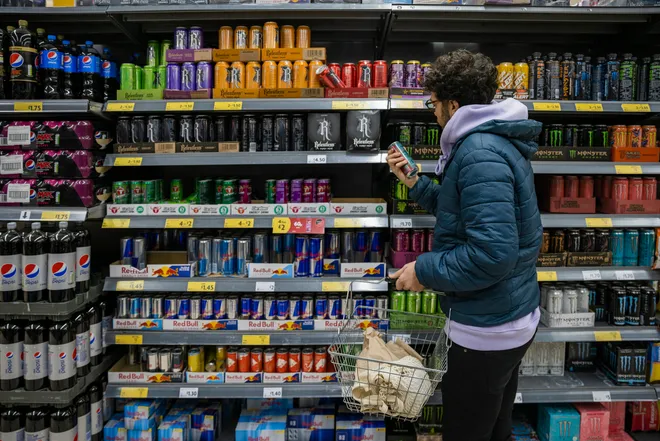
Caffeinated energy drinks are available in grocery and convenience stores across the United States, and while flavors like watermelon, Shirley Temple and apple sound enticing, a new study may make young adults think twice before taking a sip.
In an analysis of more than 28,000 adverse event reports submitted to the Food and Drug Administration over eight years (2017-2025), independent research presented by the American Heart Association (AHA) found that caffeinated beverages and supplements are “disproportionately” linked to reports of serious cardiovascular events, such as cardiac arrest and heart attack, particularly among young adults ages 18 to 34.
“These products are marketed as daily pick-me-ups and sold alongside soda and bottled water, so most people assume they carry no real risk,” Sai Samayamanthula, study author and fourth-year medical student at the University of Virginia School of Medicine, said in a statement.
Although occasional consumption poses no risk, people who take caffeine supplements or regularly consume energy drinks could exceed the recommended daily caffeine limit, putting their cardiovascular health at risk, according to Samayamanthula.
The study emphasizes that it does not prove that caffeinated drinks caused the reported cardiac events, but it does show how often caffeine was mentioned in reports of these events to health authorities.
“More research is needed to understand whether these stimulant products are truly responsible for the reported cardiac events,” said Dr. Gregory M. Marcus, chair of the American Heart Association’s 2026 Scientific Statement on Caffeine and Cardiovascular Disease.

What is the recommended daily limit of caffeine?
The AHA recommends a daily caffeine limit of 400 mg. That’s the equivalent of five cups of caffeinated black coffee, about 12 330ml cans of Coca-Cola, or five 250ml cans of watermelon-flavored Red Bull energy drinks.
Although drinking a can may not be harmful, people should closely monitor their intake, researchers said.
“For many healthy people, if these products are consumed occasionally, the risk is probably low,” Samayamanthula said. “However, people who regularly consume energy drinks or other supplements containing stimulants can quickly exceed the recommended daily caffeine limit. So it is important for people to know that there may be a risk of cardiovascular damage with these products.”
The study comes as energy drinks continue to grow in popularity. By 2024, sales of caffeinated energy drinks will reach more than $20 billion, according to the AHA. Sales have more than doubled over the past decade.
Study finds caffeine linked to reports of cardiac arrest
Researchers analyzed 28,345 reports of cardiac events occurring between 2017 and 2025. Of these, 854 mentioned caffeine, energy drinks or dietary supplements containing stimulants. The study found that cardiac arrest was reported about 11 times more often in connection with products containing caffeine and stimulants compared to products not containing these ingredients.
Additionally, reports involving energy drinks or supplements were 4.5 times more likely to include heart attacks, as well as the following:
- 4 times more likely to include ventricular arrhythmias, which are an abnormal rhythm in the lower pumping chambers of the heart
- 4 times more likely to include heart palpitations
- 3 times more likely to include an elevated heart rate
- 2.71 times more likely to include chest pain
- 2 times more likely to include fainting
The trends were observed in both men and women.
Why is caffeine often associated with cardiac events in young people?
Cardiac events may be more common in young adults due to the following factors:
- How often do they consume caffeine
- When caffeine is consumed, such as before an intense workout or strenuous activity
- Mixing caffeine with drugs or alcohol
- Potentially living with undiagnosed heart disease
However, researchers aren’t sure why caffeine is linked to heart events in young people, according to the AHA.
Earlier this year, Glazer’s Beer and Beverage and Glazer’s Beer and Beverage of Texas, the distributors of Alani Nu, another energy drink brand, were sued by the family of a 17-year-old girl who claimed her death was due to an enlarged heart caused by drinking large amounts of caffeine.
The family’s lawyer said they are suing the distributors because they are “the ones who receive it, distribute it and put it everywhere, and they also don’t give warnings.”
In a statement to NBC News, Celsius Inc., which purchased Alani Nu in April 2025, said it was saddened by the loss and took “product safety seriously and believes consumers should have clear information about what they are drinking.”
“Alani Nu energy drinks reveal 200 mg of caffeine on the can and the label states that the product is not recommended for children, people sensitive to caffeine, pregnant or breastfeeding women,” the release said.
Panera has also faced several lawsuits over its billed lemonades. Panera initially changed the drink labels before eventually abandoning them.
In October 2024, Panera reached a first settlement in a wrongful death lawsuit stemming from the beverage’s discontinuation. In July 2025, Panera settled the remaining lawsuits, which included another wrongful death suit and two legal complaints alleging the drink led to heart problems in two customers who were previously healthy, NBC News and People reported.
Panera previously said two of the wrongful death lawsuits were “meritless” and admitted no wrongdoing, according to USA TODAY’s previous report.
Contributor: Mary Walrath-Holdridge, USA TODAY
Julia Gomez is a trends reporter for USA TODAY covering space phenomena, scientific studies and natural disasters. Connect with her on LinkedIn, XInstagram and TikTok: @juliamariegz, or email her at jgomez@gannett.com.
Gn Health