
Updated October 9, 2026, 2:46 p.m. ET
This story has been updated to correct an error.
With the arrival of warm fall days, many Michiganders enjoy the annual display of fall colors, but allergies – triggered by pollen – can make an outdoor hike miserable.
Allergens vary depending on the season, and although summer is the peak time for itchy eyes and runny noses from tree pollen, allergy flare-ups often continue into November for millions of people in the United States. Instead of tree pollen, ragweed is the top allergen in the fall for Michiganders, according to Allermi and VCU Health.
“Grass pollen is active from early June to mid-July, and weed pollen peaks from early September to mid-October, with the season ending earlier due to frost,” Allermi said.
Fall allergy season can be tricky because it overlaps with cold season in Michigan, which runs from October to March, according to the Mayo Clinic. Although runny nose and itchy eyes can be symptoms of both, there are key differences that help you distinguish whether you are suffering from one or the other.
Find a HEPA air filter
Pollen.com and AccuWeather both provide up-to-date allergy forecasts that you can check to determine if you need to take allergy medication when you leave the house.
How bad is fall allergy season in Michigan?
Michigan is showing low to low-medium pollen counts (0-4.78) early next week, according to the five-day forecast on Pollen.com, meaning instruments are collecting low to low-medium concentrations of pollen grains/fungal spores.
What is causing my allergies today?
Ragweed is currently the most likely source of allergy.
From August to mid-November, ragweed releases pollen causing allergic reactions in Michigan residents. In winter, from November to February, indoor allergies increase, i.e. dust mites, pet dander (shedding of dead skin cells by an animal) or allergies triggered by mold, according to Allermi.
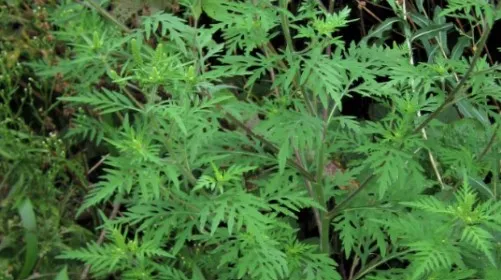
What is ragweed?

Ragweed is a plant that grows throughout the United States, with higher concentrations in the Midwest and Eastern United States. The plant thrives in fields, roadsides and open areas. Its pollen — a fine yellow dust or powder that is released into the air — is light and can travel for miles, carried by the wind, according to the Asthma and Allergy Foundation of America.

How to tell the difference between allergies and the flu or cold?
Around this time of year, flu season, which lasts from October to March, begins to pick up, according to the Mayo Clinic. February is peak flu season according to the U.S. Centers for Disease Control and Prevention.
Although allergy season and flu/cold season overlap slightly and the symptoms seem similar (such as sneezing, runny nose, and congestion), it can be helpful to know how to distinguish the two bodily reactions.
According to VCU Health, allergy symptoms last longer, up to several months, while viral infection symptoms can last 1 to 2 weeks. Viral infections or the flu also cause stronger symptoms such as chills, headaches, body aches, fever or even vomiting.
It may also be helpful to check your mucus. If it’s yellow-brown in color, you could be fighting a virus, while clear, watery mucus is more likely to be allergic.
“Allergies and viruses can lead to bacterial sinus infections,” VCU Health said.
How can I track daily pollen levels in Michigan?
To plan your days for high pollen counts, pollen forecasts are available online at Pollen.com, The Weather Channel, AccuWeather, IQAir, Kleenex and the U.S. Air Quality Index.
What can I do to relieve my allergy symptoms?
According to the Mayo Clinic, you can take steps to prevent flare-ups, including:
- Stay indoors on dry, windy days. The best time to go outside is after a good rain, which helps remove pollen from the air.
- Avoid mowing the lawn, pulling weeds, and other gardening tasks that trigger allergens.
- Remove clothes you wore outside and take a shower to rinse pollen from your skin and hair.
- Don’t hang your laundry outside: pollen can stick to sheets and towels.
- Wear a face mask if you perform outdoor tasks.
- If high pollen counts are predicted, start taking allergy medications before your symptoms appear.
- Close doors and windows at night if possible or any other time when pollen concentrations are high.
- Avoid outdoor activities early in the morning, when pollen concentrations are highest.
- If you have forced-air heating or air conditioning in your home, use high-efficiency filters and follow regular maintenance schedules.
- Keep indoor air dry with a dehumidifier.
- Use a portable high-efficiency particulate air (HEPA) filter in your bedroom.
- Clean floors often with a vacuum cleaner with a HEPA filter.
Contact Sarah Moore @ smoore@lsj.com
Gn Health