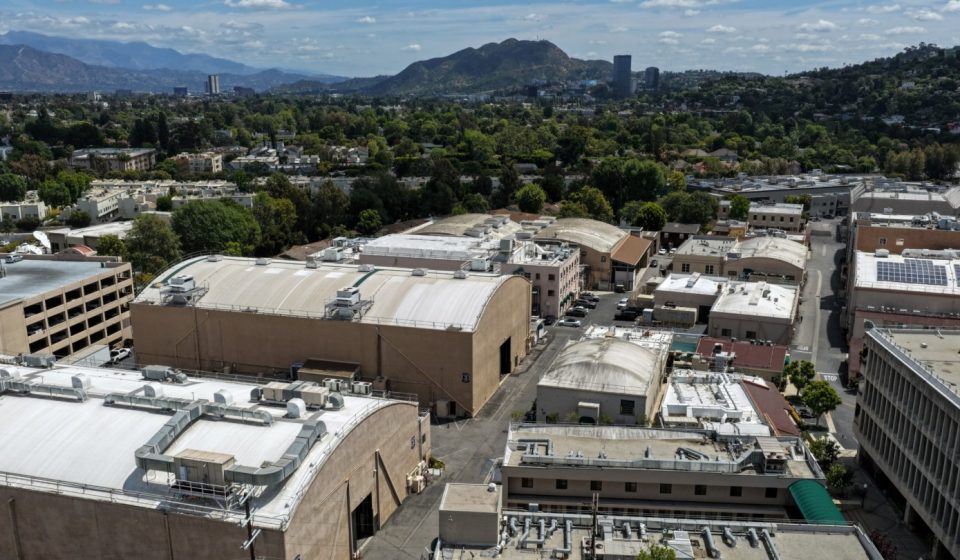
Filming days for movies and TV series in Los Angeles continue to plunge as authorities scramble

Filming in Los Angeles continues to decline despite California’s urgent attempt to restart production in the region.
Los Angeles saw a nearly 5 percent drop in filming days between June and September compared to the same period last year and an 11 percent drop from the previous quarter, according to the FilmLA permitting office’s latest report released Wednesday. The total is 36 percent below the five-year average, highlighting the fierce competition among states and other countries to accommodate Hollywood.
The decline comes despite California’s expansion of its film and television tax credit last year, which increased the program’s annual funding from $330 million to $750 million and expanded eligibility to other types of productions. Projects receiving grants to film in the state accounted for a record 40% of on-location filming in Los Angeles. Since July 2025, 214 projects have been selected to benefit from tax incentives under the expanded program, according to the commission.
While the credits attract individual productions in California – like Tracker, which moved from Canada to Los Angeles for its fourth season – the latest figures suggest it hasn’t reversed the region’s slowdown in production.
“Overall production remains well below what Los Angeles needs, and crews and businesses across the region are feeling it,” said Denise Gutches, CEO of FilmLA.
TV show filming, a key source of work for Los Angeles crews, recorded 1,400 filming days during the quarter, down about 3% from a year earlier. Fiction production fell by 9%, to 494 days of filming, even though the number of filming days benefiting from incentives more than doubled. Comedy production rose sharply, increasing 143 percent at 192 filming days, with almost all of the growth coming from productions receiving tax credits. Shows filmed in the region last quarter include, Contraction (Warner Bros.TV/Apple TV+), High potential (ABC) and I love Los Angeles (HBO).
Feature film shooting also saw a slight increase, increasing 2% year-over-year to 530 days of filming. But commercial production, which is not eligible for tax incentives, fell by almost 16 percent. The category is more than 41 percent below its five-year average.
In a statement, Los Angeles Mayor Karen Bass said the region is “seeing encouraging signs of progress” but “we need to do more.”
“That’s why I’m calling for an uncapped California film and television tax credit that includes more types of productions, as well as passage into law of our nation’s first federal film and television tax credit,” she added.
As California loses its grip as the movie capital of the world, New York is attracting big-name titles at a much faster rate, according to industry tracker ProdPro’s quarterly snapshot released last week. The state saw an 87 percent increase in production spending during the quarter, compared to a 17 percent increase in California.
Next: Will California ever change its program to allow above-average costs to qualify for subsidies, like the majority of areas that offer tax credits?
Gn entert