Florida cut property taxes. Cities must now cut services and ‘niceties’ like Christmas parades

The cold reality of cutting local tax revenue by billions of dollars a year is starting to dawn on Floridians, who voted to cut property taxes earlier this month.
Amendment 3 expands what’s known as the homestead exemption, shielding more of a home’s assessed value from the tax. It will almost triple from $51,400 currently to $150,000 in 2027, then increase again to $250,000 in 2028.
It also lowers the cap on annual assessments of rental and commercial properties from 10% to 5%. The amendment does not apply to school-related property taxes, but paves the way for the complete abolition of non-school property taxes.
State economists project that local governments will lose nearly $5 billion in the first year and nearly $12 billion annually once the waiver is fully implemented.
Certainly, local governments can generate revenue in other ways, such as sales taxes and fees. Larger cities may also rely more on taxes aimed at tourists, but smaller communities will be particularly hard hit, with some losing most of their tax base.
Cities are now scrambling to figure out how to fund vital services like police, fire and paramedics as well as roads and other infrastructure on much smaller budgets.
In Deltona, City Manager Doc Dougherty told residents the Christmas parade had been canceled and blamed Amendment 3, warning the budget cuts wouldn’t stop there. He estimates the city’s budget will have to be cut by $12 million next year and then another $5 million the year after that. By 2030, Deltona is expected to reduce expenses by more than $23 million.
“While we have done everything right in reducing our taxes over the past four years, including rolling back this year, this is only the beginning of the City’s vast tax reduction.
services our residents will face in the years to come,” Dougherty wrote in a letter to residents Saturday.
He added that all events in the city are effectively canceled, except for the next two 5K races which are standalone. Deltona is also pulling vehicle orders, terminating construction contracts and canceling professional services to “achieve the goal residents voted for.”
Elsewhere in Florida, Delray Beach stopped funding its St. Patrick’s Day parade, St. Petersburg is ending its beach trolley service and Brevard County is targeting park maintenance, mosquito control, sports fields, youth sports programs and playground repairs as areas for potential cuts.
Manatee County Commissioner George Kruse gave a similarly gloomy assessment of the new revenue landscape. In a Nov. 13 Substack article, he estimated there would be $63 million less in tax revenue next year and $113 million less the year after that.
While the state has experienced recessions and housing crashes that have reduced local tax revenues, Kruse pointed out that Amendment 3 is entirely different.
“This is not a cycle, this is a permanent structural change in the way government works. Forever,” he wrote. “A facility that closes will stay closed. A part-time employee will never return to full time. A ‘delay’ in a capital project used to mean later, now it means never.”
To close the huge revenue gap, Kruse said a “small fraction” could be covered by fee adjustments, but the county sheriff must also propose a significant budget reduction.
He pledged to reject any new sales taxes or increases in property tax rates that would place a greater burden on renters and small businesses, while recognizing that service cuts would disproportionately affect those who need affordable housing the most.
“But last week, 65 percent of Manatee voters said they wanted to give up services and quality of life to lower property taxes,” Kruse added. “This is how this Council must fill this permanent gap.”
He then went through a list of areas the county needs to review, including public assets, department consolidations, privatization, new infrastructure projects, special tax zones, interlocal agreements, nonprofit funding and even “niceties” that promote community spirit.
“That includes sponsorships, parades, movies in the park, holiday events,” Kruse explained. “It all adds up when you’re trying to fill a budget hole this big. We can’t lay off a needed employee while redirecting their salary to fireworks.”
Amendment 3 could also force the county to rethink how it develops, such as favoring rental properties located in denser areas over new homes located in urban sprawl, which comes with additional infrastructure costs, he noted. But limiting housing supply will cause housing prices and rents to rise, worsening the affordability problems that Amendment 3 is intended to address.
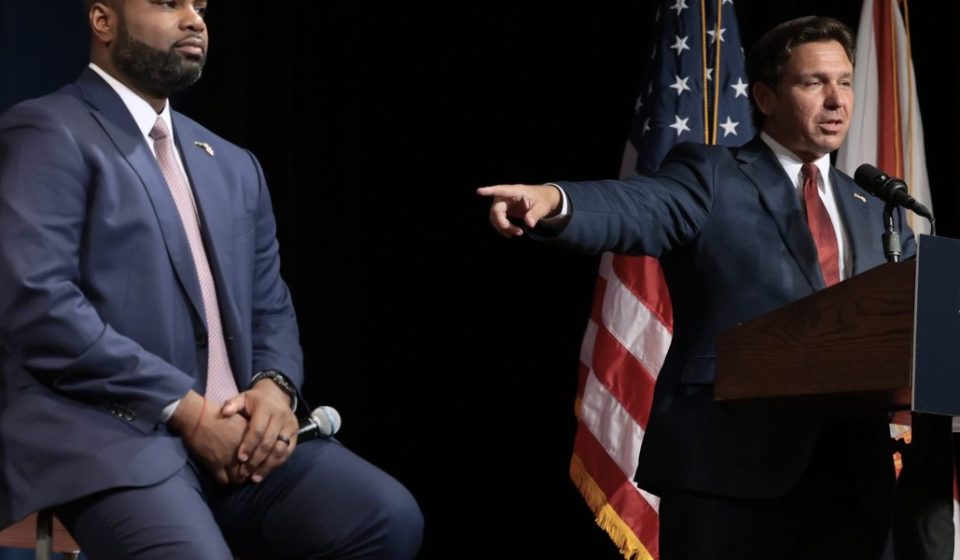
Outgoing Florida Gov. Ron DeSantis, who supported Amendment 3, dismissed those warnings as “alarmist” and suggested that state grants could offset any budget shortfalls for local agencies. Many details are missing, and DeSantis has called for a special session of the Legislature to clarify exactly how the amendment will work.
But state House leaders have said a special session is not necessary, with Senate Majority Leader-designate Nick DiCeglie warning local governments against fee increases. That means DeSantis’ successor, Gov.-elect Byron Donalds, will be tasked with dealing with the aftermath.
Despite the budget crisis facing local governments, DeSantis also urged state lawmakers to block new taxes and fees.
“There will be no fee increase if Parliament stops it. Pass a taxpayer bill of rights, limit local spending, and protect against new local taxes and fees,” he posted on X on Wednesday.
Gn usa