New evidence suggests that the allergy medication omalizumab may reduce severe allergic reactions linked to alpha-gal syndrome, a red meat allergy triggered by a tick bite.
In a study presented Thursday at the annual meeting of the American College of Allergy, Asthma and Immunology, researchers found that 95 percent of participants using the drug experienced a significant reduction in the frequency or severity of their allergic reactions. The study included 64 people with a confirmed diagnosis of alpha-gal who took omalizumab for an average of 23 months. The results have not yet been published in a peer-reviewed journal.
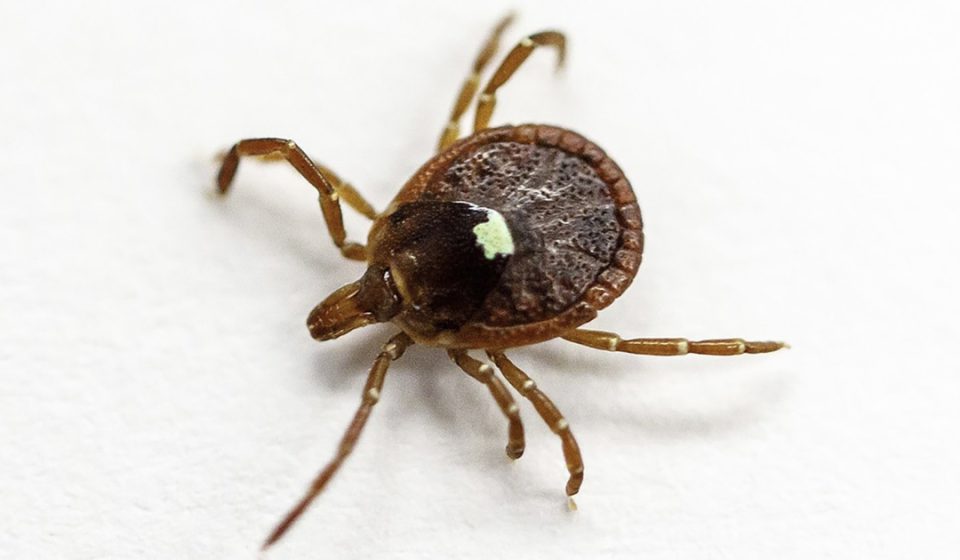
Alpha-gal syndrome is primarily associated with the lone star tick. When the tick feeds on mammals like cows, deer, pigs and goats, it can pick up a sugar molecule in their blood called alpha gal. When the tick bites a human, it can transmit this sugar, which in some people can trigger an allergic reaction to red meat and, in some cases, gelatin and dairy products.
Allergic reactions can range in severity, from hives to severe stomach pain to life-threatening anaphylaxis, among other symptoms. For this reason, doctors generally advise patients to avoid red meat, meat-based soups and sauces, as well as consider avoiding gelatin or dairy products.
Omalizumab (brand name: Xolair) is already approved for people with severe food allergies, including peanut, egg, and dairy allergies. It works by targeting immunoglobulin E (IgE), the antibody responsible for allergic reactions, and removing it from the bloodstream.
“If you have less IgE, it will take a much higher dose of allergen to trigger a reaction,” said Dr. Erin McGintee, allergy and immunology specialist at ENT & Allergy Associates and tick-borne disease advisor for Stony Brook Medicine.
The medication does not cure food allergies, and people who take it should always avoid foods to which they are allergic. Instead, it acts as a layer of safety, reducing what could be a serious, life-threatening reaction to something more manageable if a person accidentally eats the food causing the allergy.
Candice Matthis, 46, of Charlottesville, Virginia, was diagnosed with alpha-gal syndrome in 2019 after 12 years of symptoms.
“I didn’t know about Alpha Gal at the time,” said Matthis, who later co-founded the nonprofit Alpha-Gal Foundation. “I never even asked, because it was such an inconsistent reaction. I could eat steak or dairy without having a reaction. A lot of people deal with this – they may have a reaction one time and not the next time – so it’s hard to correlate this allergy.”
Matthis, who was not part of the new study, was prescribed omalizumab for other food allergies. She has been taking it for a year and has seen substantial improvement.
“It definitely improved my responsiveness,” she said. “I accidentally drank milk at Starbucks. They put whole milk in my coffee instead of oat milk, and I took a big sip. My stomach hurt a little, but I didn’t have anaphylaxis.”
Dr. Collette Tilly, an allergy and immunology researcher at the University of North Carolina at Chapel Hill who led the study, said: “Our results suggest that omalizumab may offer an important additional option for patients who continue to experience reactions. »
McGintee, who was not involved in the study, called the new data “really exciting and encouraging.” However, she warned against inappropriate use of omalizumab, for example to allow alpha-gal patients to be able to eat red meat again.
“This is a pharmaceutical product that is not cheap,” she said. “The goal is to keep people safe and prevent life-threatening allergic reactions. I think there’s an important distinction there.”
Eight people in the study were able to fully incorporate red meat into their diet again, but Tilly cautioned against interpreting this as evidence that omalizumab can lead to remission of alpha-gal syndrome. Some patients experience a natural decline in alpha-gal IgE levels over time, she said.
“It remains unclear whether omalizumab increased response thresholds, facilitated reintroduction in patients whose sensitivity was already declining, or both,” she said.
It was not possible, Tilly said, to determine whether these eight individuals had actually regained tolerance to red meat, nor to assess whether they should continue eating red meat after stopping the drug. This was not examined in the study.
Dr. Supinda Bunyavanich, professor of allergy and systems biology at Mount Sinai Health System in New York, said the study results were based on a retrospective analysis and called for a full clinical trial to be conducted with the drug.
“If it were shown in a prospective trial to help reduce sensitivity (to red meat), I think that would go a long way toward improving the lives and safety of people living with alpha-gal syndrome,” Bunyavanich said.
However, Tilly said a trial of omalizumab would be ideal and is absolutely necessary to identify patients most likely to benefit, as well as optimal treatment duration and dosing strategies. But convincing people to participate in such a study would be a real challenge. Indeed, such a study would likely require deliberate dietary challenges in which participants would be forced to ingest red meat, and they would have to be monitored for many hours before being allowed out. “They would spend a whole day at the clinic,” she said.
In the meantime, McGintee suggested, omalizumab could be used temporarily in patients with severe reactions, in whom blood tests reveal very high levels of IgE antibodies against alpha gal.
The need for new treatment options is particularly pressing as cases of alpha-gal syndrome are increasing in the United States, driven by changing trends in tick distribution. A study this year by the Centers for Disease Control and Prevention found that about 24 percent of adults living in five states where lone star ticks are prevalent had antibodies to alpha gal, suggesting they were bitten by ticks and exposed to the molecule at some point.
McGintee and Bunyavanich said they have witnessed an increasing number of positive cases in their practices.
“Previously, this was something that our colleagues who practice in the Southeast or South primarily saw, but we’re seeing it more and more now,” Bunyavanich said.
McGintee said one of the best things alpha-gal patients can do is take steps to avoid subsequent tick bites. “If a patient can avoid this, their allergy tends to improve over time anyway,” she said.
Lone star ticks are most active in late spring, early summer, and early fall.
“At these times, people should use tick repellents both on their skin and on their clothing,” McGintee said. “They should be used any time someone puts themselves in a situation where they could be exposed to ticks, and that could be while walking in the woods, mowing your lawn, playing golf, or hiking, especially if you spend time in an area where small rodents and deer also spend time.”
Gn Health