Ford is ‘officially in the battery business’ as first Fathom cell vessel – built on Chinese technology

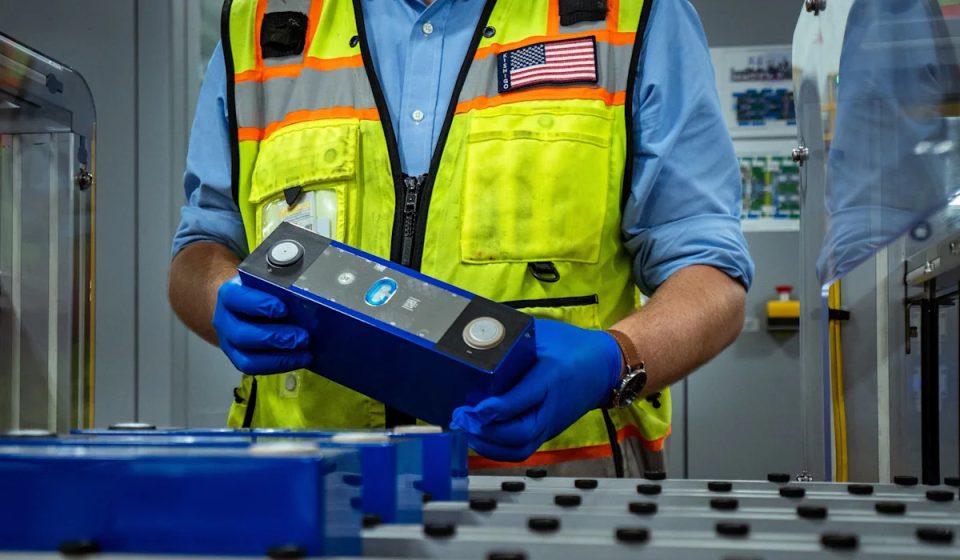
Ford (F) announced Wednesday that the first lithium iron phosphate (LFP) battery cells will roll off the production line at its BlueOval Battery Park Michigan, as part of a plan to license CATL battery designs in China. This decision comes against the complicated backdrop of the use of Chinese technology in components manufactured in the United States.
The batteries are headed to Ford’s Louisville, Ky., assembly plant to power prototypes of the Fathom, Ford’s upcoming midsize electric pickup. Ford hopes to build an electric vehicle cheap enough to win over gas truck buyers, with the Fathom expected to start at less than $30,000 – and the key to that is the use of less expensive batteries.
“Ford is officially in the battery business. We will be the first to deliver LFP batteries to the United States for consumer automotive use, and I couldn’t be more proud of the Ford team,” CEO Jim Farley said on X.

LFP batteries use no nickel or cobalt, which Ford says helps keep costs down, and the chemistry holds up over years of charging. Ford opted for prismatic or rectangular cells that fit directly into the chassis. This integrates the battery into the structure of the truck and reduces costs.
Ford said the Michigan prismatic lines can produce 40 cells per minute, making it one of the fastest LFP prismatic lines outside of China.
But the technology inside these cells has sparked some controversy.
Ford said its search for a proven LFP design “led us to the world’s leading battery manufacturer, CATL,” the Chinese giant whose batteries power 30 million vehicles worldwide. Ford called the deal a “limited technology licensing and services agreement,” not a joint venture. She claims that she owns the factory, controls the operations and employs the workforce.
This did not satisfy Washington. In a letter to Farley in early September, Transportation Secretary Sean Duffy expressed “deep concern” about Ford’s “dependence on the technologies of foreign adversaries.” He cited CATL technology at Marshall, Ford’s joint plant with Geely in Spain, and its discussions with BYD on hybrid components.
Communications Director Mark Truby called it a “head-scratching letter” that came “a week after (the) White House touted the same Michigan job creation plan it calls into question.”
Ford’s official response called the letter a “misguided attempt to grab headlines.”
With that in the rearview mirror (for now), Ford plans to have its Marshall battery plant operating in 2027, before the Fathom launches. Ford said what he learns there will also power Ford Energy, its battery energy storage business, which is preparing for production in Glendale, Kentucky.
Pras Subramanian is a senior automotive reporter for Yahoo Finance. You can follow it X and on Instagram.
Gn bussni