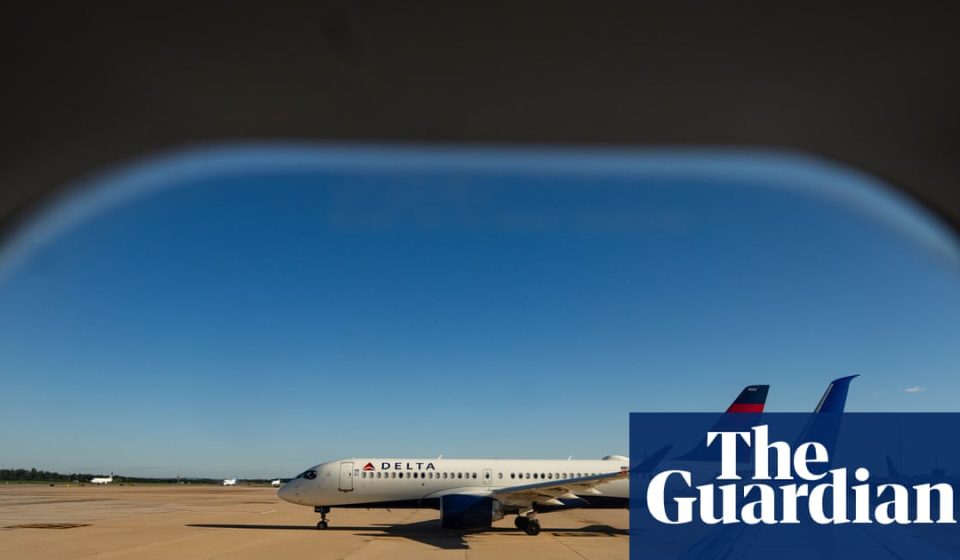
FTC orders Delta, Uber and others to hand over algorithmic pricing data | American news

The Federal Trade Commission (FTC) is demanding that some of the largest airlines, ride-hailing companies and retailers in the United States reveal how they use algorithms and loyalty programs to target customers and drivers with different prices and wages.
Nine companies — Delta, United, JetBlue, Lyft, Uber, DoorDash, Instacart, Target and Walmart — were named in the investigation, which follows investigations and lawsuits alleging that consumers are charged different prices based on their shopping history and that drivers pay different rates based on their personal history.
The FTC “will examine the opaque methodology that some companies in these industries may use to determine how much consumers pay or how much gig workers are paid for the same product or service,” Chairman Andrew Ferguson said in a statement.
American family budgets, already strained by inflation, are being eaten away by opaque and sometimes misleading pricing practices at stores, including surveillance pricing and overcharging by Dollar General and convenience stores.
The FTC is responsible for policing “unfair or deceptive acts or practices” in industries except banking and airlines, meaning it cannot impose any fines or regulations on named airlines. As the Trump administration has rolled back regulations on businesses, the FTC’s consumer protection division has in some cases joined states in pursuing lawsuits and sanctions against certain businesses.
Companies must “provide information that will allow the agency to evaluate whether the price of a ticket, rideshare, food delivery, or other product or service varies from person to person based on factors such as participation in loyalty programs or analysis of personal data by superintelligence algorithms,” the FTC said.
Several states have begun introducing legislation banning monitored prices and electronic labels on shelves that could be used to set different prices based on shopper habits and online information.
The investigation follows a July 2024 investigation by the Biden administration into surveillance pricing, which requested information from McKinsey, JPMorgan Chase and others that offered surveillance pricing products to consumer-facing companies.
“Details such as a person’s precise location or browsing history may be frequently used to target individual consumers with different prices for the same goods and services,” the FTC found in January 2025.
It is unclear whether the investigation will result in substantial changes to consumer laws or business practices.
“What we’ve seen so far is that they haven’t used these studies that produce meaningful reports that ultimately lead to changes in rulemaking,” said Rohit Chopra, a former FTC commissioner who now leads California’s new Business and Consumer Protection Agency.
Gn headline