
Haitians at the polls in a few months? Haiti’s electoral authorities announced Monday, July 27, presidential and legislative elections for the end of the year, the holding of which is conditional on “the establishment of an acceptable security climate”, a challenge in this Caribbean country ravaged by gang violence.
The first round of the various ballots must take place on December 13, 2026 and the second round on February 21, 2027, according to the electoral calendar published by the Provisional Electoral Council. “Compliance with these deadlines depends on the establishment of an acceptable security climate and the financial availability necessary for the continuation of electoral operations,” however, underlines the press release.
Exclusive reportExclusive report in Haiti: in Port-au Prince, capital besieged by gangs
The Haitian state has not had elections since 2016 and its last president, assassinated in 2021, has not been replaced. Last December, the authorities announced a first round for August 30, 2026, a schedule that had already expired.
This new announcement was welcomed by the Caribbean Community (Caricom), seeing it as “an essential step” which “was eagerly awaited by Haitian stakeholders and the international community”. “The publication of the calendar will certainly give a boost to the essential preparatory stages of the ongoing electoral process, such as the registration of political parties, platforms and coalitions, as well as the registration of voters,” insists the institution in its press release.
Deadline for submission of applications October 2
The calendar published Monday mentions the start of electoral registrations on July 20 – last week – and the deadline for submitting candidacies (presidential, legislative, local) as October 2.
However, there is a long way to go before a first round actually takes place in December. This country, the poorest in the Americas, has long suffered a political, economic and security crisis, but the situation has deteriorated significantly in recent years, with gangs increasing the number of murders, kidnappings, rapes and recruitment of children.
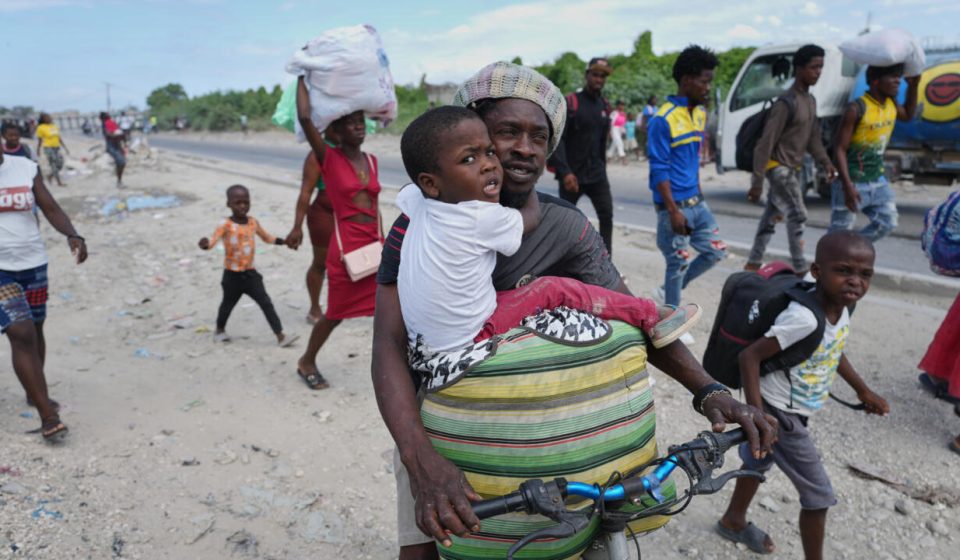
Of around 11 million inhabitants, nearly 1.5 million are displaced in the country because of the violence, according to an estimate in June by the International Organization for Migration, emphasizing that the attacks were not limited to the capital.
A UN-backed Gang Suppression Force (FRG) is being formed to assist overwhelmed local police forces. This FRG should ultimately include 5,500 foreign police and military personnel, but the number already deployed is not known.
With AFP