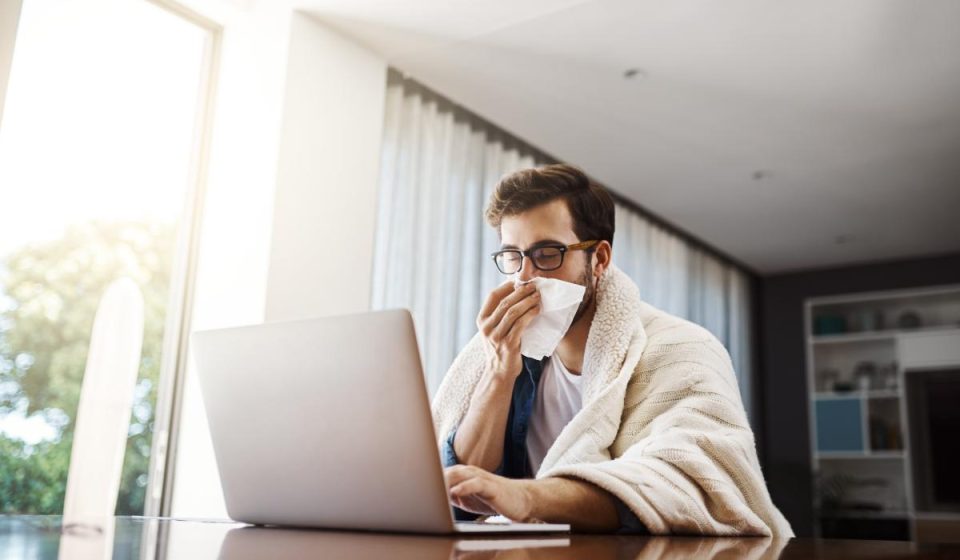
Winter is coming, but cold and flu season has arrived first.
If it feels like everyone around you is getting sick, you’re not imagining it: Flu activity is increasing in several states, COVID rates are increasing almost everywhere in the United States, and old cold viruses are elevated, according to the CDC.
So if you’re starting to feel a tickle in the back of your throat — or you have a sneaking suspicion that your new sniffles aren’t fall allergies — what can you do to minimize the severity and duration of the illness that’s about to hit you?
“What you do in the first couple of days that you feel sick is really, really important,” Dr. Jerrin Bawa, a board-certified internal medicine physician at NY Medical, told the Post.
“Making sure the immune system is strong can really determine how long the symptoms you have.”
If you’re feeling sick and have the option, Bawa recommends working from home to avoid infecting others and taking a few key steps to help you get better, faster.
1. Take a COVID or flu test
Getting tested for COVID or flu not only lets you know if you have one of these viruses; this may also open up the possibility of taking antiviral medications.
“If any of these tests are positive, it is of utmost importance to call your primary care physician because within the first 48 hours of symptoms we can treat flu and colds with antiviral agents,” Bawa said.
Doctors may prescribe Paxlovid for COVID-19, or Tamiflu or Xofluza for the flu.
When taken this early, antivirals can shorten the duration of symptoms by 1 to 1.5 days – but after this short window, they are unlikely to be of much help.
2. Sleep
Bawa’s best advice for strengthening your immune system? Lots of rest.
“Anyone who sleeps less than six hours may be four times more likely to catch a cold, for example, than those who sleep seven hours or more,” Bawa explained.
In fact, sleep and the immune system have a close relationship, the two influence each other.
Getting enough sleep strengthens the immune system and strengthens immune memory to better fight future illnesses, while an unhealthy system increases non-rapid eye movements (REM) and slow-wave sleep (restorative sleep stages) to conserve energy.
3. Stay hydrated
The best thing to do is stay hydrated, which can be harder to do if you have a fever, are sweating, or are producing too much mucus.
Dehydration can cause or worsen headaches, fatigue, and body aches.
During this time, drinking enough fluids can thin mucus, preventing buildup and making coughing and blowing more productive.
Hot water or tea are good options, especially teas containing slippery elm and marshmallow root which can help soothe a sore throat.
“Honey can help relieve coughs and sore throats. So if you want to mix it into your tea, I always support people doing that, or just drinking hot tea in general,” Bawa added.
4. Avoid or tone down your workouts
You may have heard that you can sweat from a cold, but there’s a reason your body doesn’t want to go to the gym when you’re sick: it can make you feel worse.
If you have a high fever, body aches, chest symptoms, or gastrointestinal (GI) symptoms like diarrhea, it’s best to avoid an intense workout and opt for a rest day instead.
However, light activity should be fine with mild symptoms, such as a runny nose or sore throat.
5. Consider zinc or vitamin C
Vitamin C, the best-known cold fighter, can give you an antioxidant boost to protect cells and keep them healthy. Although it cannot prevent or cure a cold, research supports it in reducing the duration of colds.
Zinc may also help improve the immune system and metabolic function. Studies have shown that 80 to 92 milligrams can reduce the duration of a cold by up to 33%.
But that doesn’t mean you should overload on supplements.
“If you use zinc chronically, it can actually weaken your immune system,” Bawa said. “So if you take it every day for a year, for example, that’s not good because zinc suppresses immune function long term and can deplete copper, which can also impair your immune function.”
6. Adjust your diet
Some foods are pro-inflammatory, worsening the inflammation that already occurs when the body is exposed to a virus.
Bawa advises avoiding highly processed foods, those high in saturated fat, or takeout foods containing inflammatory ingredients.
And if you’re suffering from gastrointestinal symptoms, Bawa says to “stick to warm, liquid broths” that contain nutrients and protein.
When should you consult a doctor?
A visit to the doctor may be necessary depending on the severity of your symptoms and certain risk factors.
If you are pregnant, immunocompromised, over 65 years old, have heart, lung or kidney disease, or diabetes, call your doctor immediately to get tested right away.
A fever of 103 or higher, a severe sore throat with fever or swollen glands, or pain when swallowing are also good reasons to see your doctor to determine if it’s a cold, flu, or another illness, such as strep throat.
Meanwhile, symptoms that worsen after seven to ten days could be a sign of a bacterial infection that needs to be treated with antibiotics.
Gn Health