
The Hormuz crisis not only hits crude oil and gas, but also container shipping. It is also strengthening its grip on global shipping through the fuel tanks of ships carrying global trade. Disrupted exports, limited refinery supplies and increasingly unreliable deliveries are clearly pushing the bunker market into a dangerous position at present. Fuel remains available internationally, but it is becoming increasingly difficult to get the right quality to the right port in a commercially viable time frame. The consequences will be serious, particularly for shipowners, because they go beyond the costs of expensive bunkers. Delivery delays and uncertain replenishment threaten not only travel programs, but also the working capital and profitability of entire trade routes.
This pressure is measurable. On October 16, Vitol estimated that flows of high-sulfur fuel oil transiting Hormuz, including Iranian supplies, remained at least 800,000 tonnes per month below February levels. At the same time, Ukraine’s successful attacks on Russian refineries have removed about a million additional tons each month. Meanwhile, refiners in North Asia were withdrawing more than 1 million tonnes of HSFO for processing in November. Global shipping therefore competes for a limited pool of products. This is an increasingly widespread reality, although supplies of low-grade sulfur have received some support from increased exports from China and Nigeria.
Related: German power supply startups exit market as wholesale prices soar
These pressures are now converging on a market that depends as much on reliable distribution as on overall production. A ton of fuel awaiting export, entrusted to another customer or stuck behind a disrupted shipping route cannot satisfy an immediate supply need. The market does not yet seem to fully realize this. Refinery production, export capacity, blending components, storage and barge availability must all align before a ship can refuel. Hormuz weakened several of these links at once, allowing disruptions in one location to ripple through the entire supply chain. The extension of the conflict in the Middle East, particularly in and around Bab El Mandeb and Saudi Arabia, is only exacerbating its impact.
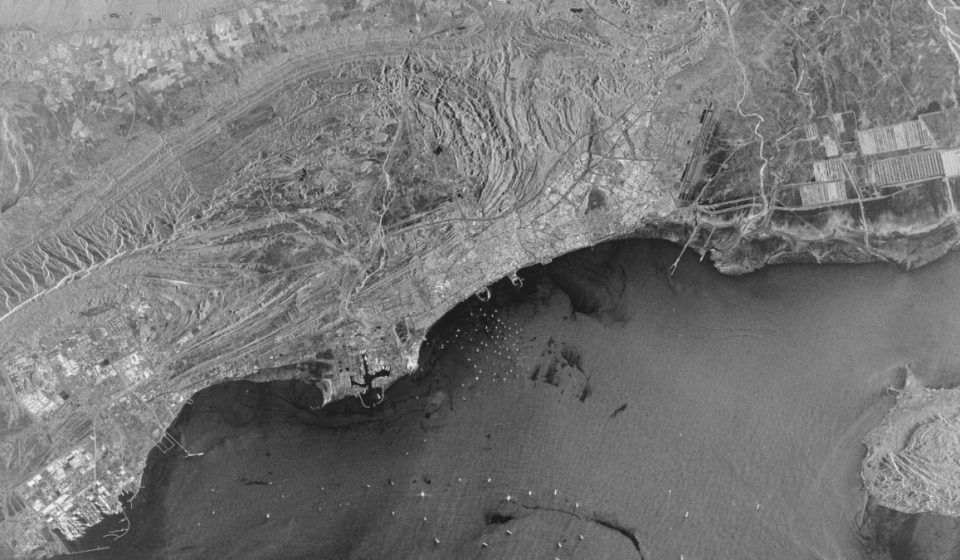
Fujairah illustrates both the market’s capacity to adapt and its continued vulnerability. Reuters reported on October 1 that fuel oil imports in the third quarter fell to 2.6 million tonnes from 845,000 tonnes in the second quarter. Nonetheless, September imports remained about half the February level. Yes, supplies were returning, but thanks to a system still operating well below previous import volumes. A partial resumption of cargo movements cannot establish reliable bunker availability when resupply remains exposed to further interruptions. The current security situation in and around Hormuz and the Gulf of Oman does not bode well.
The latest assessments of results show how uneven this recovery remains. ENGINE’s October 13 forecast puts Singapore’s recommended delivery times for ultra-low sulfur fuel oil at between 11 and 18 days, up from 10 to 15 days a week earlier. HSFO required 11-17 days. Availability of VLSFO in Fujairah has improved, while HSFO and low sulfur marine gas oil remain limited. The main Omani ports offered a more comfortable position for marine gasoil, with one supplier offering one to two days. The emerging crisis is geographically fragmented, with pressures varying depending on fuel quality and delivery location.
This fragmentation complicates purchasing, without mitigating commercial damage. A vessel requiring fuel within three days cannot necessarily absorb a two-week booking window. Physical shortages disrupt trade long before a port runs out of inventory. The critical threshold will be crossed when the available supply can no longer meet the schedules on which transport contracts depend.
Stock figures can therefore offer misleading assurance. ENGINE reported that Fujairah’s heavy and residual distillate stocks averaged 4.72 million barrels at the start of October, about 5% higher than the September average. At the same time, local availability of bunkers remains very limited. These stocks do not all represent uncommitted and immediately deliverable marine fuel. Product specifications, ownership and export obligations determine how much can actually reach a ship. More barrels in storage may coexist with fewer practical purchasing options for an owner facing a move-out deadline.
The market and its players play a central role here. The economics of stockholding add another vulnerability. S&P Global reported in September that strong backwardation, with the price of fast fuel higher than subsequent deliveries, was discouraging blenders from maintaining inventories. Moving closer to delivery reduced their exposure to falling prices. However, it also increases sensitivity to delayed or unsuitable components. In a distressed market, rational individual decisions can remove the collective buffer needed to absorb disruptions. We are now faced with a situation where a replenishment delay that would previously have been manageable can now translate directly into a delivery failure.
At the same time, shippers also face financial constraints. Rising prices are already imposing a significant financial burden. The general index put September VLSFO averages at $872 per tonne in Singapore and $939 in Fujairah, up 6% and 15.9%, respectively, from August. An extra $100 per ton increases the cost of a 2,000-ton purchase by $200,000, before accounting for waiting time or diversion fees. Shippers will calculate all of this; if repeated across a fleet, such increases require significantly more cash to maintain existing operations. It seems the media still doesn’t understand that even high transportation revenues don’t automatically translate into stronger margins.
The next constraint could emerge through credit. When fuel prices rise, an unchanged financing facility buys fewer tonnes. Suppliers need additional funding to maintain throughput, while owners need more cash to cover each trip. If lenders or counterparties tighten terms, physical availability may be accompanied by financial exclusion: fuel can be purchased, but only by buyers able to provide sufficient liquidity or collateral. Smaller operators would be particularly vulnerable to this combination of costly deliveries and reduced purchasing flexibility.
Owners are already adapting. Reuters reported on October 16 that bunker purchases were becoming smaller and more frequent, with shorter contractual commitments and increased reliance on alternative sites, including Port Louis, Colombo and Salalah. This not only helps operators manage their immediate exposure, but also shifts demand to ports that need to secure additional replenishment and delivery capacity. Geographic diversification improves options; its effectiveness always depends on the fuel and infrastructure available behind each alternative call.
Over the coming weeks, regional shortages will recur, premiums will remain volatile and reservation requirements will lengthen. A broader crisis will occur if additional export losses coincide with refinery outages and reduced tanker availability.
Shipping does not need every bunker hub to be dry for damage to become systemic. Schedules will be disrupted if persistent uncertainty over delivery persists. Hormuz is gradually transforming reliable supply into a more expensive and conditional service. Customers well beyond the Gulf will feel the consequences.
By Cyril Widdershoven for Oilprice.com
More important reading on Oilprice.com
Gn bussni