
Pepsi has suffered many setbacks in recent years, but perhaps few have been as symbolic as its abandonment by a longtime partner it owned, KFC.
The fried chicken chain announced last week that it would begin replacing PepsiCo’s namesake soft drinks with Coca-Cola products at its 3,700 U.S. restaurants in January. The partnership between the two companies dates back 40 years, since the takeover of the fast food chain by PepsiCo. (PepsiCo created KFC in 1997.) KFC accounts for only a tiny portion of Pepsi’s sales, but the defection reflects the continued deterioration of the drink’s brand power..
How Coke got ahead
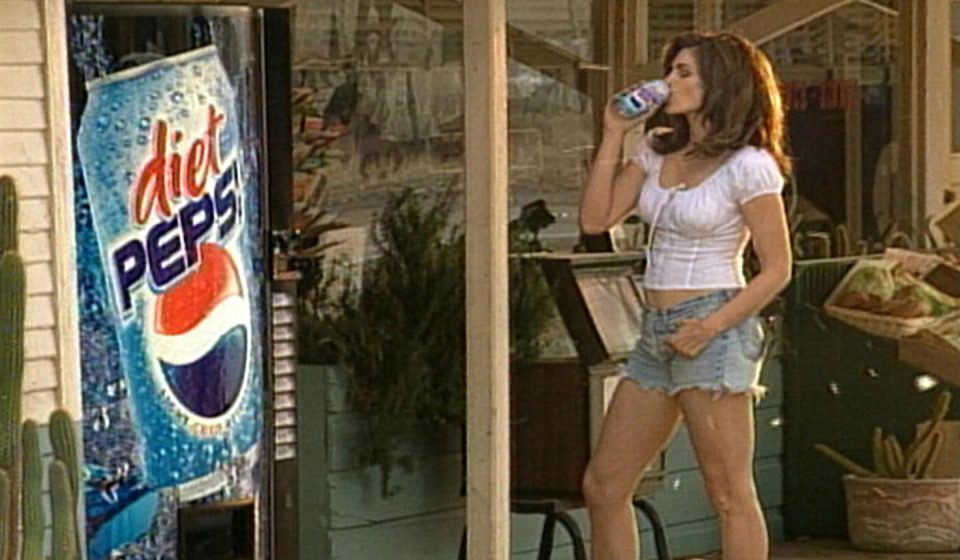
For decades, the Coca-Cola and Pepsi Cola wars were part of mainstream culture, with memorable commercials featuring blind “Pepsi Challenge” taste tests of the two drinks. Pepsi’s television commercials featuring pop star Michael Jackson and model Cindy Crawford in the ’80s and ’90s became part of the zeitgeist. At the time, Coca-Cola’s market share in the United States was only a percentage point or two higher than Pepsi’s.
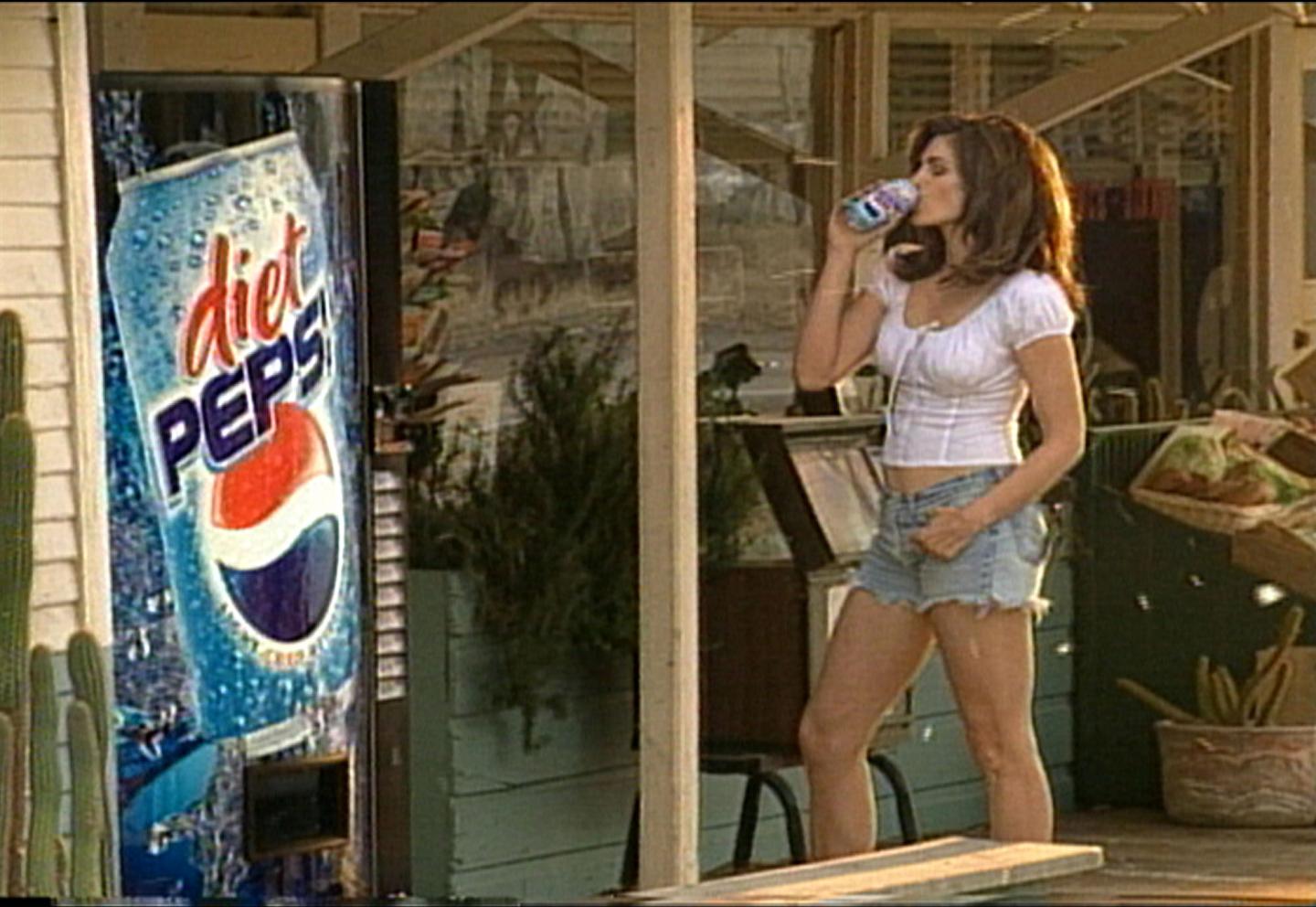
courtesy of Pepsi/—Getty Images
It’s a very different story now. Last year, Pepsi-Cola had 8.1% of the U.S. soft drink market by volume, far behind Coca-Cola’s 18.5%, according to trade publication Beverage Digest. In 2024, Pepsi fell to third place behind Dr Pepper for the first time and remains there. Additionally, sales of Diet Coke and Coke Zero are several times higher than their Pepsi counterparts.
Pepsi didn’t really collapse, but rather was outsmarted. Coke has reshaped its business around brand building and innovation, abandoning its capital-intensive bottling business and successfully betting on faster-growing categories like dairy-based and protein-based drinks. PepsiCo remained a sprawling portfolio company where soda was just one priority, attracting less attention than before. The result is a PepsiCo that generates more than twice as much revenue as Coca-Cola, but whose market valuation is only about half that.
Soda on autopilot
Wall Street analysts say that for years, PepsiCo’s CEOs have turned their attention away from the company’s soda operations in North America due to what has long been seen as a secular decline in the sector. And it’s true that soda sales have fallen for 16 straight years. But as of 2021, the U.S. soft drink industry has stabilized, with Americans turning to healthier, more functional drinks, like those with protein and energy additives. PepsiCo CEO Ramon Laguarta admitted that this still massive business deserves more attention.
“We’re not happy with the beverage business,” Laguarta told Wall Street analysts earlier this month. “So we are putting all the urgency of the business and focusing on improving our performance in the soft drinks sector.”
Last quarter, PepsiCo’s $28 billion North American beverage business declined 2% in volume. This decline occurred even as its non-carbonated beverage business, including Gatorade, Aquafina and Ocean Spray, improved, suggesting a deeper decline for its soft drinks. (PepsiCo does not divide subdivisions within its beverage segment.)
PepsiCo is a giant in the food, snacks and beverage industry, with sales of nearly $94 billion last year. About 58% of that came from its Frito-Lay food and snack division, which includes Fritos and Doritos chips and its Quaker brand. Its beverage business generates the rest of the revenue, 30% of which comes from North American beverages.
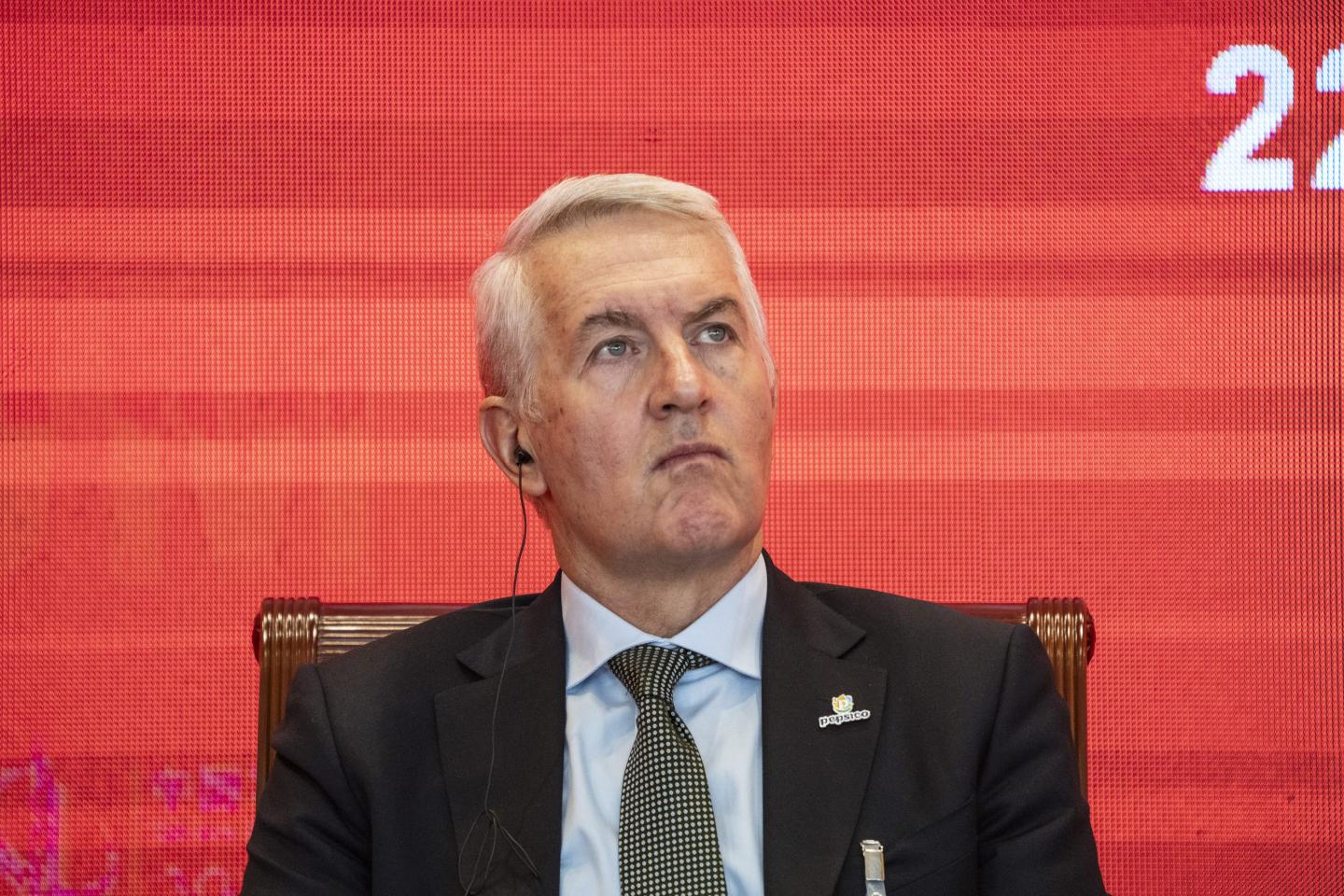
Qilai Shen—Bloomberg via Getty Images
The company’s North American Frito-Lay unit has consistently reported operating profit margins twice those of the domestic beverage business. As a result, the snack business benefited from the parent company’s investments at the expense of soft drinks, which PepsiCo let run on autopilot, said Duane Stanford, editor and publisher of Beverage Digest. Fortune.
“It worked as long as Frito-Lay continued to be a powerhouse,” Stanford said. The problem is that PepsiCo’s snacks business in North America is under pressure as consumers, wary of inflation, balk at high prices. Sales have been stable so far this year. Earlier this year, Bloomberg reported that prices of some PepsiCo chips had increased 50% since 2021. At one point, a party-sized bag of Tostitos cost $7.29. Consumers responded, and PepsiCo reduced some snack prices this spring.
No one should expect quick relief for PepsiCo’s snack business, which holds 38% of the $80 billion U.S. salty snack market. “It is difficult to predict sequential improvement without a significant change in the macroeconomic consumer environment,” said Andrea Teixeira, an analyst at JPMorgan. That puts even more pressure on PepsiCo’s beverage business to grow.
Laguarta’s comments on the results suggest the company will try to increase soft drink sales by expanding brands in its soda line, including Pepsi, Mountain Dew and Poppi, a prebiotic soda it bought last year for $2 billion. This investment will likely involve putting more money into marketing and advertising, paying retailers for more shelf space and display, and lowering prices if necessary.
Is breaking up the solution?
Over the years, activist investors have proposed a far more radical solution to PepsiCo’s woes: splitting the company into sprawling portfolios.
In the 2010s, investor Nelson Peltz spent two years trying – unsuccessfully – to convince PepsiCo to split its food and beverage businesses into two companies to better “unleash” the value of each.
More recently, investors have pushed PepsiCo to follow some of the moves taken by Coca-Cola, which has no food business and relies on franchisees — rather than its own facilities — for its bottling and manufacturing needs.
A year ago, Elliott Management called PepsiCo a “dramatic underperformer” and urged it to consider, among other things, refranchising its company-owned bottlers. In 2010, Coca-Cola and PepsiCo acquired their bottlers, believing that a vertically integrated approach to production and distribution was essential. Coke quickly reversed its decision, reducing cost pressures associated with this capital-intensive business. It also allowed Coke to invest in brand building and innovation, two strengths that helped KFC transition to Coke.
“A new partner in Coca-Cola gives us a platform to innovate, respond to changing tastes and give customers more reasons to choose us,” KFC U.S. President Catherine Tan-Gillespie wrote in a memo to staff. (Since KFC dropped Pepsi, fast-food rival Taco Bell has extended its contract with Pepsi for another 10 years.)
Laguarta surprised analysts earlier this month with the mere mention of a re-franchise; he said this could lead to “better execution and potentially better margins”. At the same time, refranchising should not be seen as a panacea, analysts warn. “If ‘accelerated’ refranchising is indeed the right path, (but) it would not happen without significant disruption,” Lauren Lieberman of Barclays wrote in a note. Analysts estimate that full re-franchising could take a decade or more: Coca-Cola’s re-franchising took around ten years to bear fruit.
“We are willing to review all options,” the eight-year-old CEO said during the earnings conference call. A PepsiCo spokesperson declined to comment on the re-franchising beyond the CEO’s remarks.
PepsiCo has one bright spot when it comes to drinks that could serve as a model for the future: Gatorade. Sales of the drink have increased this year (the company doesn’t quantify those gains) thanks to updates such as the March launch of its low-sugar variant. Beverage Digest’s Stanford believes PepsiCo can indeed rebuild its soft drink empire, but doing so will require a change in mindset after years of the board and CEOs viewing soft drinks as products with poor growth prospects.
“Everyone ruled out soft drinks and now we see that was a mistake,” he said of PepsiCo’s leadership. “This is a conglomerate that knows how to execute. They just need to make the decision to do it.”
Gn bussni