
Poverty in Argentina experienced a significant rebound in the first half of 2026, marking the reversal of a downward trend for more than two years, to affect 32.3% of the population, according to official figures published Thursday September 24.
The index published by the Institute of Statistics (Indec) increased by 4 points over six months (28.2% at the end of 2025), and poverty hit nearly three out of ten people in Latin America’s third largest economy by mid-year.
The poverty line in this country of 47 million inhabitants stood in August at nearly 520,000 pesos (a little less than 300 euros) for an adult, for a basket of basic goods and services. The proportion of Argentines in extreme poverty also rebounded slightly in the first half of the year, standing at 7.5% compared to 6.3% six months earlier, according to Indec.
The Indec survey, without providing firm absolute poverty figures, is a percentage extrapolation, based on a sample of 31 urban centers. A rise in poverty was expected, linked to a few consecutive months of renewed inflation at the start of 2026, before a further deceleration (1.7% in August, lowest in 14 months).
Strong fluctuations since Javier Milei came to power
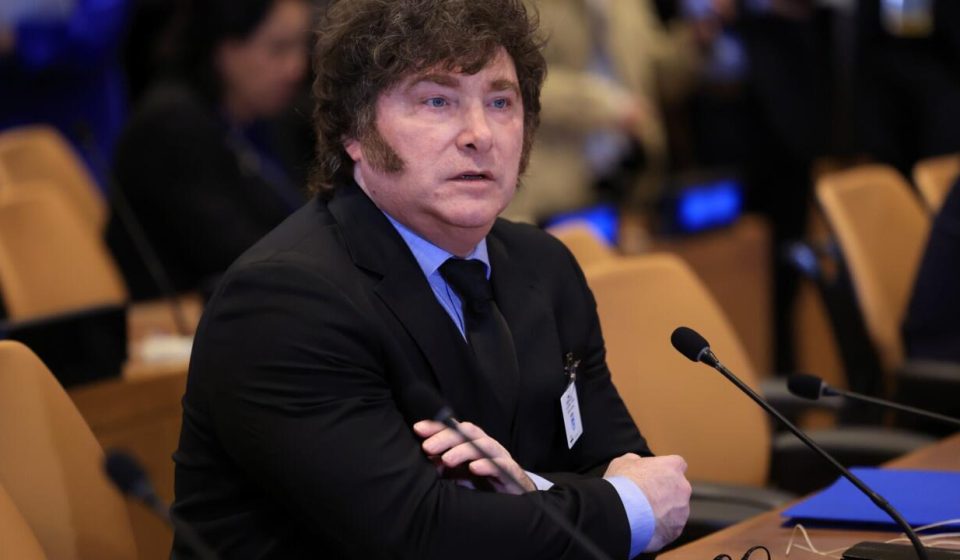
Poverty in Argentina has experienced strong fluctuations since the coming to power at the end of 2023 of ultraliberal President Javier Milei, who applied drastic budgetary austerity, reducing inflation from 161% year-on-year to around 33% in almost three years, at the cost of a high cost for activity, consumption and employment.
At the start of 2024, poverty had experienced a historic jump, unprecedented for more than 20 years, to 52.9% of the population, under the double effect of inflation and a shock devaluation of more than 50% in the first days of the Milei presidency. Then it gradually fell again, as inflation itself decelerated, and while the government kept a certain type of direct social assistance, the family allowance for the most vulnerable (AUH), above inflation.
Javier Milei regularly boasts of having lifted several million people out of poverty, but taking as a starting point the peak of 52.9%, partly created by the shock of his own devaluation.
Also readIn Argentina, a scattered general strike against austerity imposed by Milei
The calculation of the index is regularly subject to methodological controversy, based on expenditure structures from 20 years ago, a time when many essential services were subsidized, and various prices were regulated, such as medicines or health insurance.
“These household fixed costs represented a smaller percentage of expenses. This is why a family today has the feeling that once they have finished paying these fixed costs, they have little left to live on,” said Eduardo Donza, research statistician at the Social Observatory of the Catholic University, for AFP. “For this reason, the poverty thresholds calculated from income do not reflect reality,” he notes.
With AFP