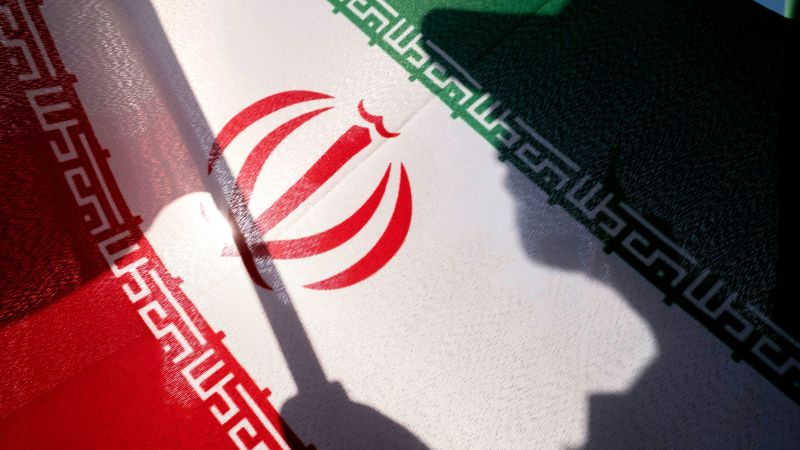

Agents in Iran used OpenAI models and fake personas to help publish articles critical of the U.S. war on Iran in several U.S. media outlets, OpenAI said Thursday.
A dozen media outlets around the world published around 100 articles written by seven fake journalists, OpenAI said in a blog post. The company said it banned ChatGPT accounts that prompted the Farsi-language AI tool to edit articles and editorial blurbs and generate comments on social media.
Some of the AI-supported articles carried provocative titles, including “Is US Iran Policy Privatized? The Jared Kushner Question” and “The Iran War and the Collapse of Western Moral Credibility.”
It’s the latest example of AI agents playing a key role in propaganda battles coinciding with the US-Israeli war on Iran. Young Iranians have also used AI to make viral Lego-themed videos mocking US leaders, while President Donald Trump has released AI-generated videos depicting US strikes against Iran.
None of the publications that published the articles appear to be major, mainstream news outlets, but some of them have large online audiences. One of these media outlets, Middle East Monitor, based in London, has nearly two million followers on Facebook.
Bringing antiwar narratives to the American public could be considered a successful information operation for whoever was behind them. Who they are and whether they are affiliated with the Iranian government is unclear, OpenAI said.
“The overall activity appears consistent with that of a commercial actor conducting a for-hire influence campaign, but we are unable to identify the specific actor involved,” the AI company wrote on its blog.
The article on Kushner and US foreign policy was published by the LA Progressive, which describes itself as an “independent justice-focused publication” based in Los Angeles. CNN has reached out to LA Progressive for comment.
Daud Abdullah, director of the Middle East Monitor, told CNN he would review the articles flagged by OpenAI and “take appropriate action.”
After the articles were published, Iranian agents asked ChatGPT to generate comments that they could post on social media, pretending to be people reacting to the articles, according to OpenAI.
“Users requested comments on topics such as missile strikes, ceasefires, and diplomatic maneuvers, specifying documents that portrayed the United States as the aggressor, Israel as an unreliable U.S. ally, and Iran as a rebellious but resilient victim,” the blog said.
“It is remarkable that the Iranians were able to distribute their content in real media outlets, expanding the potential reach of their campaign,” said Jessica Brandt, who led the now-shuttered Office of the Director of National Intelligence Center for Malicious Foreign Influence from 2023 to 2025.
“We see that AI allows foreign adversaries to better hide their hand, building more sophisticated false fronts than they could otherwise, in order to launder their content through authentic channels, leveraging those channels to reach,” Brandt told CNN.
OpenAI’s findings show how AI is increasingly being used to shape perceptions of war. This spring, a false AI-assisted U.S. intelligence report on an alleged Chinese ship carrying nuclear components nearly led to the U.S. military boarding the ship, CNN previously reported.
Gn headline