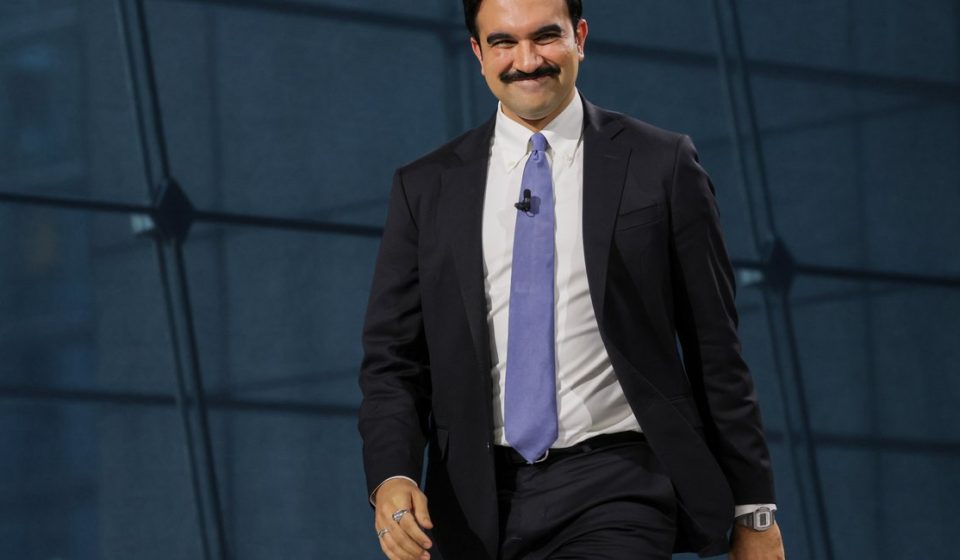
Judge Upholds New York Rent Freeze, Marking a Victory for Mamdani and Her Affordability Program

A Manhattan judge has upheld a city council’s decision to enact a two-year rent freeze for about a million New York City apartments after landlords sued to overturn the first directive of its kind.
In an order issued Wednesday, Judge Brendan Lantry rejected the proposal to block the rent freeze for stabilized apartments approved by the city’s Rent Guidelines Board in June. The pause in rent increases responds to Mayor Zohran Mamdani’s campaign promises. Lantry wrote that although the freeze “could have adverse effects on New York City’s residential real estate industry,” the court did not have the authority to overturn the decision.
A group of owners represented by Randy Mastro — a former first deputy mayor under former Mayor Eric Adams — argued that the board conducted a “sham” process that ignored owners’ escalating spending to fulfill one of Mamdani’s campaign promises. Mastro asked a judge to order the board to hold another vote.
Mamdani and the city’s lawyers denied any interference in the process and countered that the council reached its decision independently.
Mamdani welcomed the decision in a written statement on Wednesday.
““It’s a victory for renters, for affordability, and for the principle that working New Yorkers deserve a city they can afford to live in,” he said.
Mastro said he and his clients are “considering next steps” regarding a possible appeal.
“Despite the economic realities and undisputed facts that this unprecedented rent freeze will have devastating consequences for small landlords, the judge defers to the final decision of the RVB,” he added in a written statement.
New York Small Landlords Board of Directors President Ann Korchak said the decision was “terribly disappointing” and would have financial consequences for the landlords her group represents.
“The rent freeze will push more small, rent-stabilized landlords over the edge of the cliff,” she said. “This deprives them of the resources they need to maintain and operate their rent-stabilized buildings.”
By contrast, Legal Aid Society attorney Ellen Davidson, whose organization intervened on behalf of the tenants, said she was pleased with the decision but not surprised.
“The law is clear: the courts do not have the power to overturn decisions of the Rent Guidelines Board,” she said.
The closely watched move reflects the unusual focus on the board over the past year, after Mamdani made rent freezes a key plank of his successful campaign. The council’s nine members are appointed by the mayor to multi-year terms, but the committee is considered an independent body that analyzes landlord and tenant spending data and hears public testimony before holding its annual vote.
Mamdani appointed six board members, but stopped publicly calling for rent freezes after taking office in January.
To find evidence that City Hall influenced the board’s decision, Mastro requested communications between top city officials, including Mamdani, and board members and staff. Lantry complied with the request and ordered officials to turn over the emails and text messages.
Mastro published about a dozen of these exchanges. They largely showed City Hall officials informing new members of their appointments, coordinating meeting dates and planning a presentation on a new “real cost of living” report that the board had not previously considered.
Mastro said the documents were “shocking” in a letter to the judge. City attorney Steven Banks said there was nothing “inappropriate” about the communications.
During an unrelated press conference on October 1, Mamdani sought to turn the tables on Mastro and cited reporting from Gothamist that revealed how Mastro himself attempted to influence the board’s vote while serving as Adams’ 2025 top deputy.
Former Rent Guidelines Board Chairman Doug Apple told Gothamist that Mastro spoke to him by phone last year and “advocated for a weak vote” when the board was considering an increase up to 4.75 percent.
Mastro confirmed that he had spoken with Apple, but only to say that he and Adams “disagreed” with the board’s final decision to increase rent by 3 percent that year.
Although Lantry stood by the board’s decision, he criticized its potential impact as well as Mamdani for his election promise.
“This court would be wrong not to find that such comments, promises and guarantees of rent freezes were reckless and irresponsible,” he wrote.
But he said he found no clear evidence of interference or a “sham process” after Mamdani took office, even though the owners who sued to overturn the decision disagreed with the mayor and his choices for the board.
“Elections have consequences,” Lantry wrote. “A premise that is the backbone of our democracy.”
This story has been updated with new information.
Gn usa