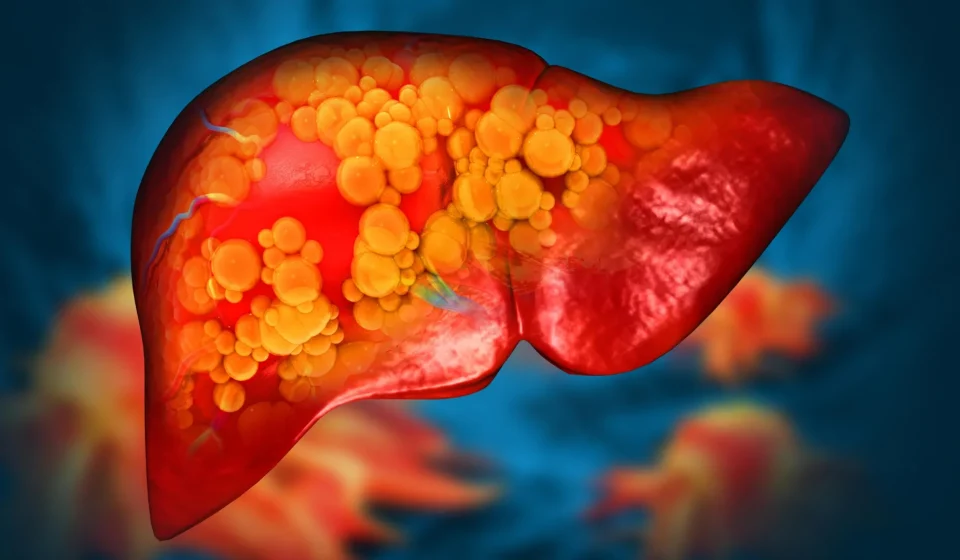
A ketogenic diet may offer significant health benefits beyond weight loss, according to a new clinical trial comparing three popular dietary approaches. Researchers found that people on a low-carb, high-fat diet saw a much greater reduction in liver fat than those on a Mediterranean or low-fat diet, even though all three groups lost similar amounts of weight.
The results were particularly striking in people with prediabetes. After just four to five months on the ketogenic (or “Keto”) diet, about half of the participants no longer met the diagnostic criteria for the disease. The results, published in the journal Cellular metabolismsuggest that the types of foods people eat can influence metabolic health in ways that go beyond how many pounds they lose.
“We know that weight loss can improve the metabolic health of obese people,” says Samuel Klein, the study’s corresponding author at Washington University School of Medicine in St. Louis, Missouri. “Our data suggests that if you have high liver fat and prediabetes, reducing carbohydrate intake may have important therapeutic effects on metabolism, beyond just weight loss.”
Comparison of keto, Mediterranean and low-fat diets
An estimated 40% of American adults suffer from obesity, a condition associated with increased risks of type 2 diabetes, fatty liver disease, and other health problems. Doctors frequently recommend dietary changes to help patients lose weight and improve their metabolic health, which refers to how efficiently the body manages energy, blood sugar and fat.
Three commonly recommended approaches are low-carb diets, low-fat diets, and Mediterranean diets. Although each can promote weight loss, researchers aren’t sure if any of them provide additional metabolic benefits when the amount of weight lost is about the same.
These eating habits differ significantly in their nutritional composition. Low-carb approaches, including the Atkins and ketogenic diets, limit carbohydrate intake, while low-fat diets can get up to 70% of their calories from carbohydrates. The Mediterranean diet emphasizes plant foods such as vegetables, nuts and olive oil, as well as moderate amounts of fish and dairy products. Ketogenic diets, on the other hand, can include considerable amounts of fats from animal products, including saturated fats.
To compare their effects, Klein and colleagues recruited 42 adults with obesity, prediabetes and fatty liver disease. Prediabetes occurs when blood sugar levels rise above normal but have not yet reached the threshold for type 2 diabetes. Fatty liver disease involves excess fat accumulation in liver cells, which can interfere with the body’s ability to regulate metabolism.
A controlled clinical trial with similar weight loss
Participants were randomly assigned to follow one of three diets: ketogenic, Mediterranean, or a low-fat diet emphasizing plant-based foods. To ensure participants followed their assigned eating plans, the research team provided them with all their meals and arranged weekly consultations with a dietitian.
The diets had very different proportions of carbohydrates and fats. In the ketogenic group, carbohydrates made up only 4% of daily calories, while fat provided 73%. The Mediterranean group received 50% of their calories from carbohydrates and 35% from fat. The plant-based group consumed 70% of their calories from carbohydrates and 15% from fat.
The researchers adjusted their calorie intake individually so that participants in all three groups lost about 10% of their starting body weight. Achieving this goal took approximately four to five months.
By the end of the intervention, each group had seen a significant reduction in body fat and improvement in insulin sensitivity. Insulin is the hormone that helps move sugar from the bloodstream into cells, where it can be used as an energy source. Greater insulin sensitivity makes it easier for the body to maintain healthy blood sugar levels.
However, the similarities between the groups largely end there.
Keto Diet Reduces Liver Fat by 67%
The ketogenic diet produced the greatest improvements in several important indicators of liver function and metabolic health.
Participants following keto experienced an average 67% reduction in liver fat, compared to a 45% reduction in the Mediterranean and low-fat groups. Since the groups lost comparable amounts of weight, the difference suggests that carbohydrate restriction may influence liver fat through mechanisms beyond weight loss alone.
To study these effects, researchers collected blood samples multiple times over a 24-hour period, which allowed them to observe changes in hormones involved in energy metabolism.
The ketogenic group showed the greatest increase in glucagon, a hormone that helps regulate the body’s energy supply and promotes the reduction of fat stored in the liver. Participants on keto also experienced the greatest decrease in insulin levels, another change that may help reduce fat buildup in the liver.
One result was particularly unexpected. Although nearly three-quarters of their calories came from fat, keto participants did not show an increase in blood fat or cholesterol levels during the study.
“The most surprising finding was that participants in the ketogenic diet group did not experience an increase in their blood fat or cholesterol levels, even though they ate the most fat,” says Max Petersen, first author of the study at the University of Washington School of Medicine.
Half of Keto Participants No Longer Had Prediabetes
The benefits go beyond liver fat. After the weight loss intervention, approximately 50% of participants on the ketogenic diet no longer met the criteria for prediabetes. For comparison, this milestone was reached by 29% of people following a Mediterranean diet and only 7% of those following a low-fat, plant-based diet.
These differences are notable because prediabetes signals a high risk of developing type 2 diabetes. Bringing blood sugar levels below the prediabetes threshold is an important improvement, although it does not necessarily mean the disease has been permanently reversed.
The findings also highlight a potentially important distinction in weight management: Weight loss and improved metabolic health are closely related, but are not necessarily the same thing. The composition of a diet can affect how the body manages blood sugar, stores fat and responds to hormones, even when weight loss is similar.
Researchers emphasize the growing importance of understanding these effects as powerful new treatments for obesity become more widely available. GLP-1 drugs, which act on hormonal pathways involved in regulating appetite and blood sugar, have transformed the treatment of obesity by helping many patients lose substantial weight.
“GLP-1 drugs have revolutionized the treatment of obesity. We now have a highly effective drug therapy to achieve significant weight loss,” says Petersen. “But in addition, our study shows that the specific composition of the diet can bring you additional benefits.”
Although the trial was relatively small and lasted only four to five months, its carefully controlled design proves that dietary composition can play an important role in metabolic health. Longer studies involving more participants will be needed to determine whether the benefits persist and how different diets compare over time.
The research was supported by the National Institutes of Health and the Barnes Jewish Hospital Foundation.
Gn Health