
Key takeaways from Trump’s latest TIME interview on Washington DC construction, Iran and affordability


Want to bookmark your favorite articles and stories to read or view later? Start your independent membership today.
Join us today
Already a member? Log in
Donald Trump’s last big interview with TIME captures the president near the end of his second year in office as he faces several domestic and global crises in a world shaped by his turbulent return to power.
But his responses regularly turn to long-standing grievances that he attributes to any negative view of the state of the country and his presidency: “fake news,” “crazy” judges and former President Joe Biden.
He appeared frustrated and defensive when asked simple questions dealing with issues that are top of mind for millions of Americans, including the rising cost of living and health care costs.
At one point, he claimed he had “the highest IQ” before cursing out the interviewer at the end of the interview. “You haven’t asked me one positive question,” Trump said when asked whether ailing Sen. Mitch McConnell should resign.
The real estate mogul seemed rather obsessed with familiar obsessions, like his Trump-inspired transformation of Washington, D.C., and didn’t seem to understand why the press wasn’t celebrating him. “I don’t know what’s wrong,” he said.
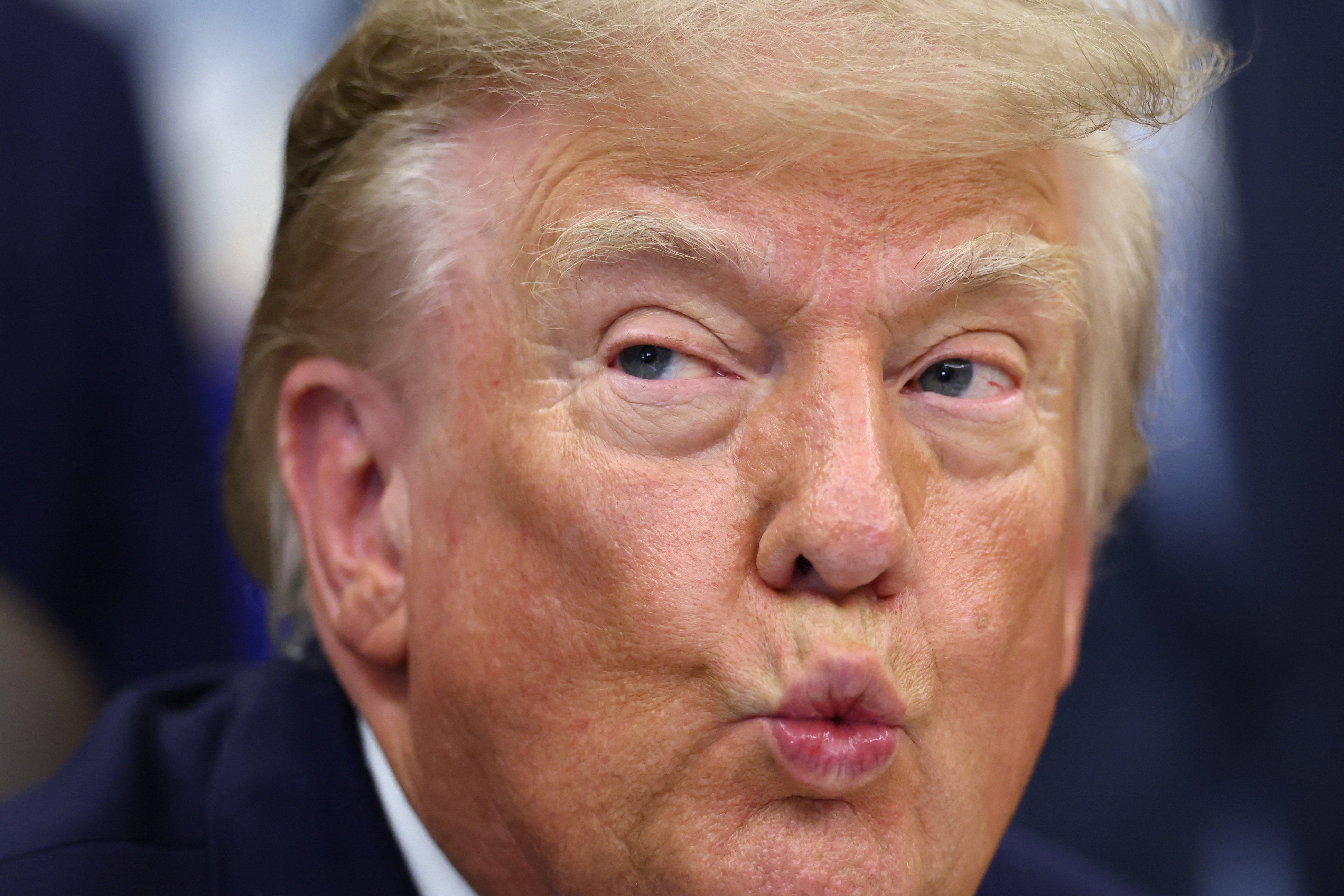
Trump’s Washington makeover
When asked to explain to Americans why his construction projects are of national importance, the president said the White House is a “symbol of America” and “our greatness.”
“Maybe I do it better than anything else I do, and it’s easy for me. It’s actually relaxing. You know, for a lot of people, it drives them crazy,” he said. “For me, it’s relaxing.”
He also championed the possibility of destroying the Kennedy Center, which the president has repeatedly tried to rename after himself. “I’m not committing to anything. We’ll see how it plays out in court,” he said.

Last month, a federal judge ordered the Trump administration to provide at least 30 days’ notice before making physical changes to the Kennedy Center, including its demolition, after the Trump-controlled board voted to close the venue for repairs. In court filings this week, the Justice Department said the beleaguered institution was “dangerously dilapidated, outdated and decrepit” while its finances were “equally in poor shape.”
The president also suggested TIME that he is trying to prevent the destruction of the Oval Office, which he has filled with gold ornaments.
His war in Iran and its “annihilation”
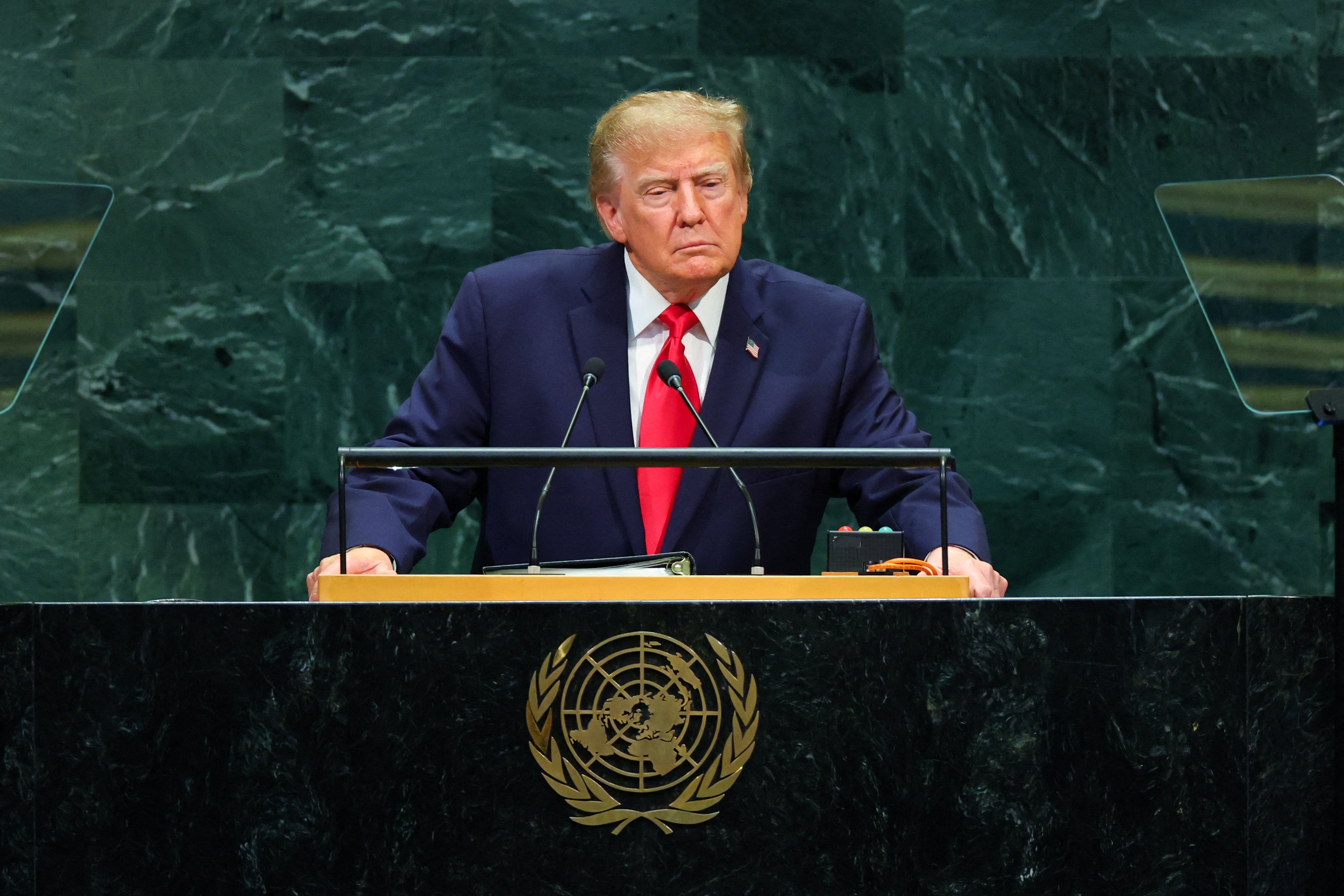
Trump said TIME it is “possible” he will “wipe out” Iran after declaring a “big decision to make” about the country’s fate during his 11-minute speech to the United Nations General Assembly last month.
“Will a deal be reached with Iran that will allow them to rebuild and create a country much bigger than it has ever been? Trump said in his remarks. “Or do I wipe out the Islamic Republic and do it quickly, without ever giving it the opportunity to kill and destroy people and countries again? Do I lead it to hell with no chance of survival and no hope of greatness or future generations?”
He said TIME: “Yeah, I would do that. It’s possible.”
When asked how the so-called “peace president” would also call for the annihilation of an entire people, the president responded that it would create “world peace.”
“Because by annihilating Iran, we created world peace,” he said. “With Iran, I don’t think we can ever have peace. »
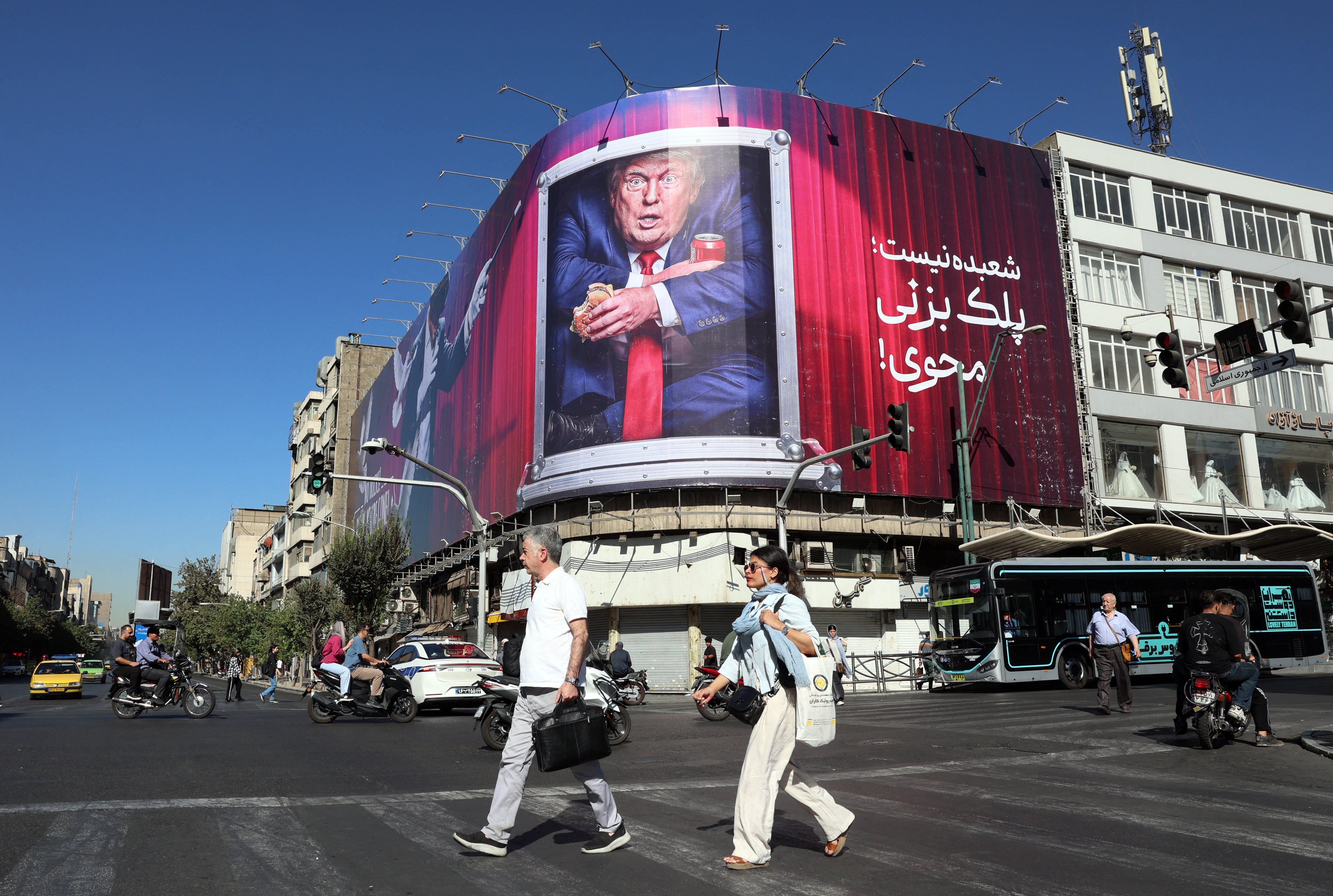
The president also appeared to admit that the war is depleting some of the U.S. military’s munitions, although Defense Secretary Pete Hegseth and other administration officials have called reports of deficits “fake news” endangering national security.
The White House also cited reports of ammunition shortages to justify barring several news outlets from entering the White House.
But Trump said TIME that some ammunition “is a little inferior to others”.
“We have mid and senior levels, which are very powerful, which are stronger than they have ever been before,” he said.
TIME also reports that the president was aware of ammunition supply shortages in The New York Times after firing more than 1,200 Patriot missile interceptors. The Pentagon then reportedly considered withdrawing its assets in Asia and Europe to make up the deficit, despite a potential weakening of American defense elsewhere.
“What is that?” Trump reportedly told Hegseth.
The defense secretary reportedly told the president that the report, based on an assessment by the Pentagon’s own internal watchdog, was “fake news.”
The Independent requested comment from the Pentagon.
Midterms and threats of troops at the polls
Trump did not appear to rule out invoking the Insurrection Act or declaring a national emergency before the midterm elections, after the president’s attempts to assume federal control over election administration failed in Congress and in the courts.
He said he had not considered deploying federal immigration agents during the election, but would not rule out anything in the event of a state of emergency.
“I’m not ruling anything out. We’ll see. You mean the Insurrection Act?” Trump said TIME.
“No, I’ve never used it. I might use it. A lot of people think I should use it sometimes,” Trump said before touting low crime rates.
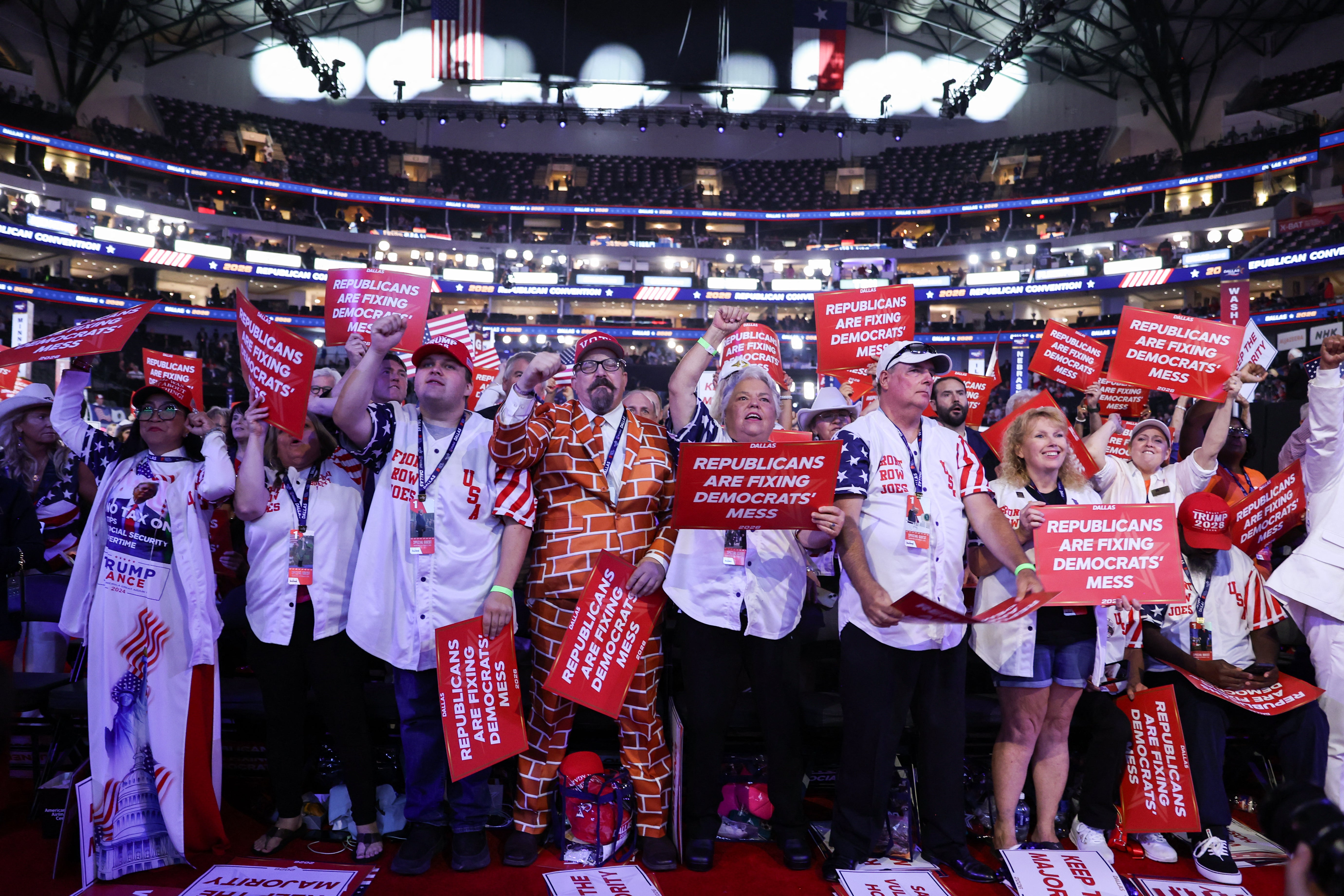
When told his polls had “never been lower,” Trump called them “fake numbers.”
“I would beat anyone running today by 20 points,” he said. “Your numbers are wrong. The pollsters are corrupt. They are almost as corrupt as the writers.”
Trump then denied that his own internal pollsters were telling him that, before claiming that the United States has “the strongest economy,” thanks to job creation in manufacturing.
But when asked if he should be held responsible for an increasingly unaffordable country, Trump replied: “No, because what?
He said he “inherited the greatest inflation in history” and the “greatest price rises in history.”
Its Supreme Court Regrets and Growing Legal Losses
The president has repeatedly lashed out at his three Supreme Court nominees after the nation’s high court ruled against his administration in a series of high-profile cases, including a challenge to his sweeping tariff program and attempts to unilaterally eliminate the concept of birthright citizenship.
When asked if he regretted nominating them, he said “yes” because they voted against him “too often.”
“Yeah. Yeah. What can I do? I registered them. They voted against me too many times,” he said.
“I gave them the job of their lives and they often vote against me,” he added. “I put these people in. That’s what it is. Very disappointing, very disappointing for the country – their decisions. And the country knows it. Very disappointing for the country.”
Gn headline