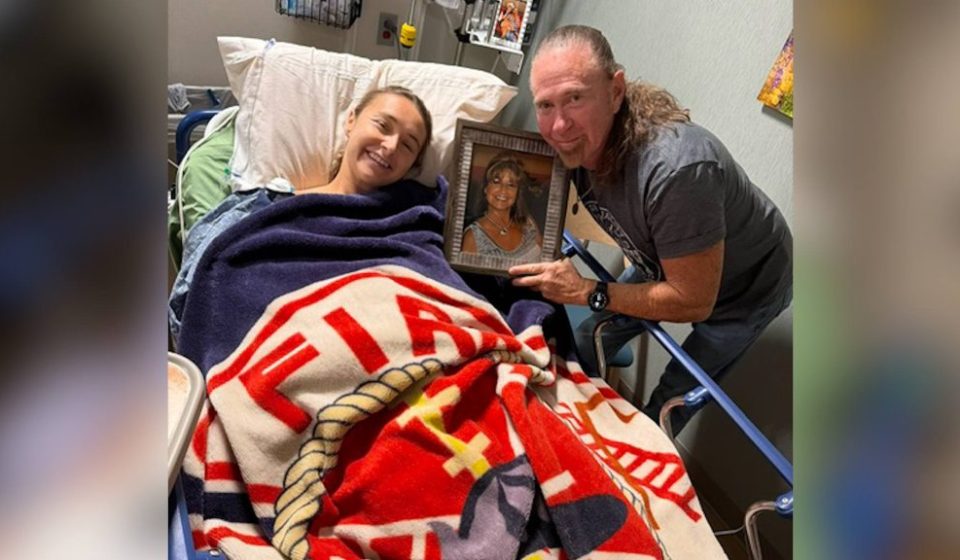

When Falynn Franklin began the process of becoming a living kidney donor, her goal was simple: to help her mother, who had spent years on dialysis while waiting for a transplant. Tests ultimately showed there was no direct match and they planned to participate in a paired kidney donation program. Then, unexpectedly, his mother died.
“I just decided to keep going. I thought it was something that would really honor my mother,” Falynn says.
Watch: Falynn’s story
Journalists: A broadcast-quality video (2:58) is available for download at the end of this article. Please, Courtesy of: “Mayo Clinic News Network”. Read the script.
Continue in honor of his mother
Falynn’s donor evaluation took longer than usual due to unexpected medical issues, including Valley Fever. Most living kidney donor evaluations are completed within a few weeks.
She chose to do non-directed kidney donation, meaning she donated her kidney to someone she had never met. This Thanksgiving, her gift gives another family something to be grateful for.

Understanding living kidney donation
Living donation remains largely misunderstood. Many people think donating a kidney means sacrificing their long-term health, but experts say that’s not the case.
“A healthy person has additional kidney capacity or reserve. After donation, the remaining kidney increases its function to compensate for much of the loss of function of the donated kidney,” says Dr. Carrie Jadlowiec, a transplant surgeon at the Mayo Clinic. “Carefully evaluated and selected donors maintain the same health and physical capabilities as non-donors. They exercise, work, raise a family and lead normal lives.”
She says kidney donation surgery is also one of the safest procedures performed today. The operation is minimally invasive, usually requires an overnight hospital stay, and most donors return to all normal activities within four to six weeks. Donation-related medical costs are covered by the recipient’s insurance or the transplant center, eliminating a potential financial barrier for many donors.

“A non-directed kidney donor is someone who wants to donate a kidney, but does not have a specific recipient in mind,” explains Dr. Jadlowiec. “Falynn’s situation is unique as she was initially hoping to donate to her mother, but unfortunately was unable to do so. Despite this, she was still able to make a donation in her mother’s name. Her story highlights an important point: If you’re eligible to donate, you don’t necessarily need to know the recipient to make a meaningful difference.
After watching her mother endure years of dialysis and kidney disease, Falynn viewed a few weeks of recovery as a small sacrifice to give someone else the chance for a healthier future.
“To give someone back their quality of life, which cost me a night in the hospital and two weeks of not feeling well. But in the end, I feel absolutely fine. That makes all the difference,” says Falynn.
On this Thanksgiving, his decision reminds us that a single act of generosity can change the course of another family’s life.
Related articles


Testimonials from transplant patients

Gn Health