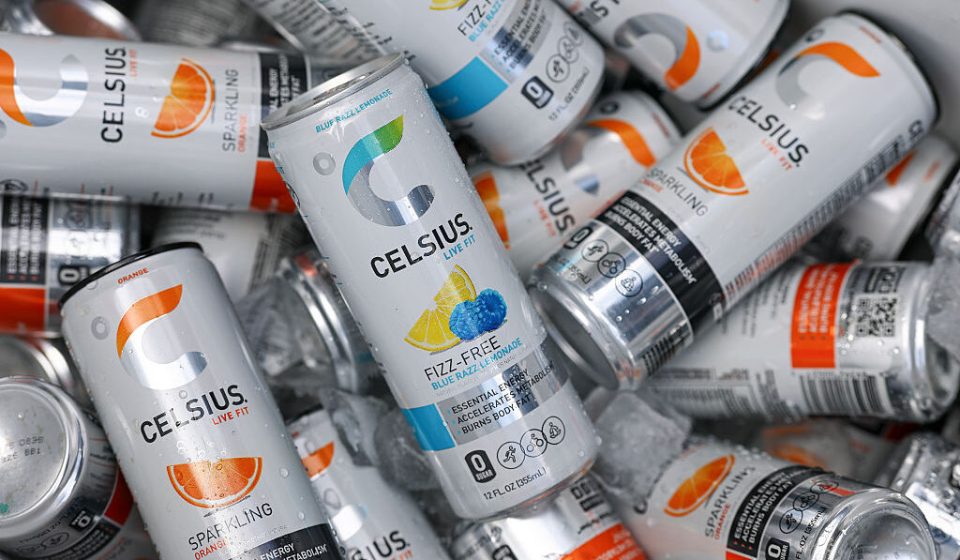

Cops test Celsius cans to make arrest
Over the course of months of extended, multi-round exchanges that sometimes remained open for weeks, ChatGPT apparently violated its own template specifications to help Cheryl advance the plan. On the day of his worst illness, when James was suffering from cardiac and neurological effects that he said were keeping him glued to the couch, Cheryl’s search history showed that she was searching for “how to calculate Social Security retirement payments.” And when her son recorded his father’s worrying condition, she “searched for syringes with needles from Tractor Supply Company” that ChatGPT believed could be used to administer the final lethal dose.
Once police responded, they viewed the video taken by James’ son, as well as a video of the suspicious Celsius drink that James had thrown away. By then, James had poured the drink into a clear cup and recorded it, but decided he hadn’t seen any obvious signs that it was contaminated. But when police viewed the same video, they “identified a white powdery residue caked at the bottom of the drink as it was poured into the cup.” They later issued a felony arrest warrant after testing 10 cans of the same orange Celsius and finding none contained the residue.
Among the “hidden things” in the house, police found loose capsules in Cheryl’s closet and bathroom; “syringes, droppers, milligram scale, capsule filling kit, and nitrile gloves” in Cheryl’s workspace in the children’s playroom; » poisonous castor beans; and a GPS tracking device purchased through Amazon and hidden under James’ vehicle.
James said the ChatGPT poisoning permanently harmed his family and that OpenAI could have intervened by implementing “commercially feasible content moderation capable of detecting violent planning exchanges.” He suffers ongoing harm from the attempted poisoning, including “severe and ongoing emotional distress, post-traumatic stress disorder, insomnia, economic damage, and reputational damage due to the false narrative the product constructed about him,” his lawsuit states.
To hold OpenAI responsible for marketing a chatbot that “operated as a sycophantic co-conspirator rather than a responsible consumer product,” it asked the court for “compensatory and punitive damages, injunctive relief, and algorithmic restitution.” If victorious, OpenAI could be ordered to “detect and disrupt conversations in which users appear to be planning violence against identifiable third parties.”
Meetali Jain, a litigator at Tech Justice Law who represents James, warned that “these products are programmed to exploit our emotions and impulses to keep us engaged. The worst possible risk – encouraging and aiding attempted murder – is on full display in this case.”
Gn bussni