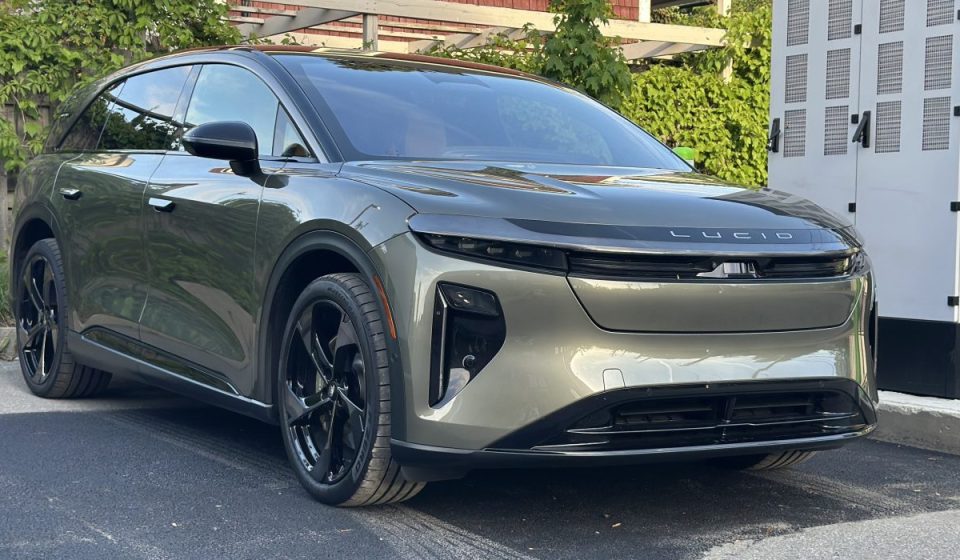
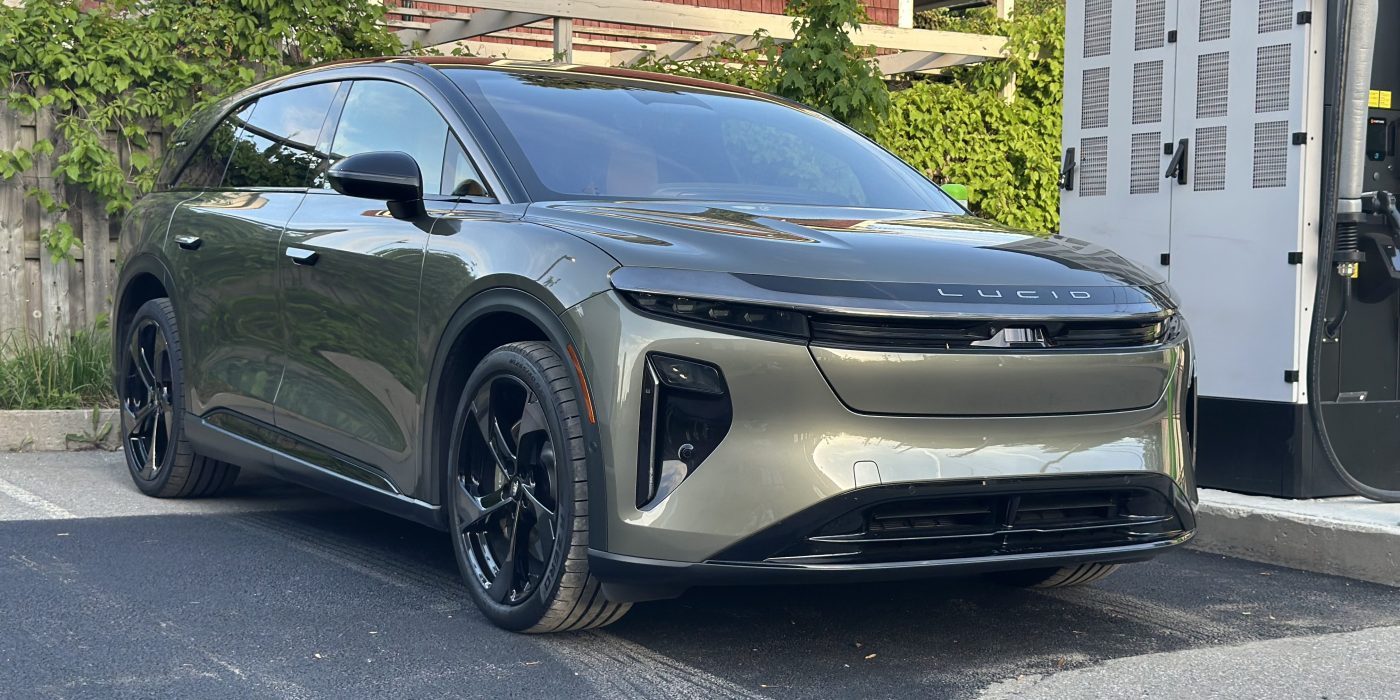
Lucid (LCID) CEO Silvio Napoli admitted during the third-quarter earnings conference call that, as recently as this summer, the automaker “didn’t even know where the cars were.” Buyers placed orders, Lucid took up to two weeks to locate and deliver a car, and some of those buyers walked away.
This is a rough admission from a company sitting on thousands of unsold vehicles. And it’s a problem that Tesla encountered and solved in 2018 at a volume more than ten times Lucid’s current volume.
Lucid lost sales with cars in inventory
Napoli made the comment when an analyst asked whether Lucid’s shipments would increase or decrease in the fourth quarter. He said that early in the third quarter, the company had orders where “sometimes it took two weeks to deliver to the customer, and so we were losing the order.”
He said Lucid now has visibility into which cars are built, where they are shipped, where they are stored and when they can reach a customer. A new sales team also now sells cars they know are available on the day the customer wants one.
Lucid built 3,228 more vehicles than it delivered in the first half of 2026, including 5,500 built but only 3,093 delivered in the first quarter. Its inventory reached $1.38 billion on the balance sheet at the end of June, which is why we reported earlier this year that Lucid had to adjust its production after a bloated inventory in the first quarter.
So Lucid had thousands of cars on lots and in transit, and it was still losing buyers because it couldn’t match a car to an order quickly enough.
In the third quarter, Lucid reduced production to 2,954 vehicles and delivered 3,806, down 7% year-over-year. Inventories of finished goods fell by almost 15% during the quarter, according to new CFO Alexander De Bock. Inventories stood at $1.22 billion as of September 30.
Tesla experienced “delivery logistics hell” in 2018
Tesla learned this lesson the hard way during the Model 3 ramp.
In the third quarter of 2018, Tesla was manufacturing around 4,000 Model 3s per week. That’s more cars each week than Lucid delivers in an entire quarter today. Deliveries have tripled or even quadrupled in some markets, and the bottleneck has shifted from the factory to trucks.
Elon Musk tweeted in September 2018 that Tesla had “gone from manufacturing hell to delivery logistics hell.” A week later, he said Tesla was facing an “extreme shortage of car transporter trailers” and had begun building its own car transporters to keep cars moving. Tesla also launched home delivery and asked existing owners to help them at delivery centers.
It didn’t stop there. In November 2018, as the federal tax credit was about to be cut in half for Tesla buyers, Musk said Tesla had purchased trucking companies and entered into contracts with major carriers. Tesla moved cars east by truck rather than train to cut transit times by weeks.
Tesla delivered 83,500 vehicles in the third quarter of 2018, including 55,840 Model 3s, a record at the time.
Europe showed how important a delivery fix is
When the Model 3 arrived in Europe in February 2019, the first ship docked in Zeebrugge in Belgium and Tesla immediately struggled to process cars at the port.
About a week after the first ship arrived, Tesla ended its contract with the company preparing the Model 3s at the port and resumed the work itself. The target was 3,000 railcars per week passing through a single port.
It worked. As of March 2019, Tesla has delivered more than 5,300 Model 3s to Norway alone, making it by far the best-selling car in the country. A car parked in a port or on land doesn’t make anyone any money. Tesla treated delivery speed as a sales tool, not a back-office job.
We later learned from Musk himself that this “logistical hell” was almost the nail in Tesla’s coffin. The CEO said Tesla was then on the verge of bankruptcy.
Electrek’s point of view
This is one of the most embarrassing admissions we’ve heard during an earnings call, and it’s a credit to Naples for saying it out loud. Most leaders would have blamed “demand” and moved on.
But that explains a lot. Lucid’s problem has never been cars. Air and Gravity are excellent products. The problem lies in everything around them: the service, the software, and now we’re learning, basic inventory tracking. When you spend around $273,000 on each car you deliver, losing a buyer because you can’t find their car two weeks after ordering it is brutal.
Tesla solved this problem by producing 4,000 Model 3s per week while fighting for its own survival. Lucid moves fewer than 300 cars per week. This is not a difficult problem at this scale. It’s a discipline problem, and Naples is right to call it that.
If you buy an electric vehicle, powering it with home solar energy can reduce your fuel costs to almost zero. With electricity rates up nearly 10% in the last year and expected to continue to rise, turning to solar power is one of the best ways to protect against rising costs. And with leasing and PPA options, you can do it without any upfront costs and start saving immediately. If you want to find the best deal, check out EnergySage. It’s a free service with hundreds of pre-screened installers competing for your business, so you save 20-30% compared to a stand-alone solution. No sales calls until you choose an installer. Get your free quotes here.


FTC: We use automatic, revenue-generating affiliate links. More.
Gn bussni